Palestine Action cases adjourned until appeal concludes, Chief Magistrate says
On Friday, the High Court ruled against the Government’s ban after a challenge was brought by Palestine Action.
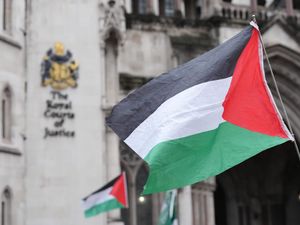
People charged with supporting Palestine Action will not face court until the Government’s appeal against a High Court ruling that its ban was unlawful and “disproportionate” has concluded, the Chief Magistrate said.
A number of people were due to appear at Westminster Magistrates’ Court on Monday, accused of backing Palestine Action during protests held after the group was proscribed as a terrorist organisation in July last year.
But they were told not to attend after the High Court ruled on Friday against the Government’s ban, after a legal challenge brought by the group.
Senior District Judge Paul Goldspring said: “In light of Friday’s ruling we decided that there is no merit in hearing the cases until we know what is going on with the appeal.”
He added that the 31 cases involving defendants charged under section 13 of the Terrorism Act 2000, which were due to be heard on Monday, would be adjourned until April 27.
Other defendants would be notified that they were not required to attend court until the appeal stage has concluded, Mr Goldspring said.
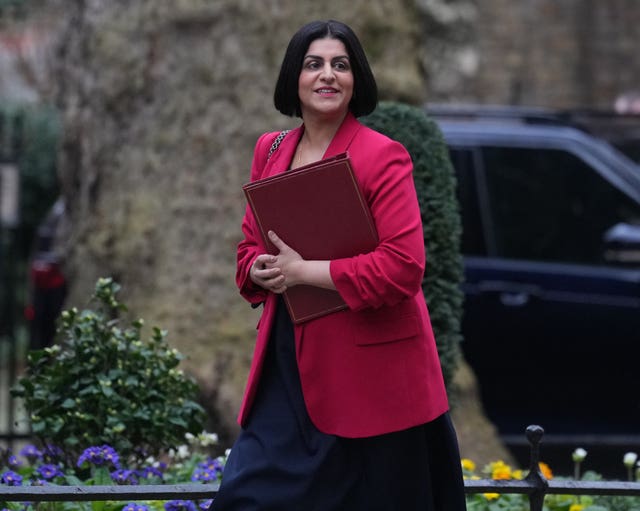
The Palestine Action ban remains in place as Home Secretary Shabana Mahmood has said she will appeal against the court’s decision.
Proscription makes it a criminal offence to belong to or support Palestine Action, punishable by up to 14 years in prison.
The protest group Defend Our Juries said more than 2,700 people have been arrested for displaying signs in support of Palestine Action since the ban came into force.
Nearly 700 people have been charged with a terrorism offence and have appeared in preliminary court proceedings, although no-one has yet been convicted.