Playing Troubles victims off against veterans not helpful, says commissioner
Joe McVey also expressed concern around the funding of services for victims and survivors.
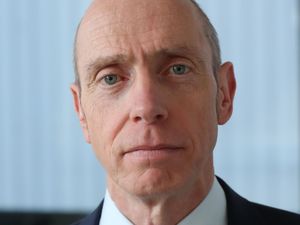
The “playing of” Troubles victims against veterans has been criticised as “not helpful” by Northern Ireland’s Victims Commissioner.
Joe McVey stressed that all sides need support, and expressed concern around the funding of services for victims and survivors during an appearance at the Assembly’s Executive Office Committee on Wednesday.
Referring to the expected end of the PeacePlus funding programme at the end of 2027, he said he would appeal to the Executive not to “let it get to a cliff edge” but start looking at a plan now.
Mr McVey took up the post of commissioner in October.
He said more than 3,720 people were killed during the Troubles, over 100,000 injured and 200,000 left with mental or psychological damage, adding that those impacts are “still as real today as they were many years ago for individuals, communities and ourselves as a society”.
He said some one in five people in Northern Ireland regard themselves as victims or survivors, adding that it is difficult to say peace and prosperity will be achieved without taking “due account” of the needs of victims and survivors.
Mr McVey told MLAs they were about to enter a difficult funding phase for victims and survivors, and the groups they work with.
It comes ahead of a decision over the Victims and Survivors Service (VSS) funding programme in March, the end of the PeacePlus programme at the end of 2027 and the imminent closure of the Victims Payment Board for new applications.
“It creates an air of uncertainty around the key infrastructure organisations,” he said.
Mr McVey gave a cautious welcome to the Troubles Bill, but emphasised that a lot more work needs to be done.
The Bill, which is progressing at Westminster, will replace the controversial Legacy Act introduced by the previous government.
A key talking point has been concerns from some parties that there will be “preferential treatment for British state forces”.
Mr McVey said he is concerned that victims are being set against veterans.
“We represent the broad church of victims and survivors, and that includes veterans, and one of our concerns is the whole debate has almost set up veterans vs victims, and vice versa, and I don’t think that is helpful debate,” he said.
“I think all victims and survivors need support and protections, and I think the way it has been played out is almost playing one against the other, and I don’t think that’s helpful.”
Questioned by MLAs about inter-generational trauma, Mr McVey said more needs to be done to give young people a greater understanding of the past, and to prevent it happening again.
Asked for his view on the current definition of a victim, which includes people not involved in violence and those killed or injured while actively engaged in violence, Mr McVey said it is for politicians to agree that definition.