Beavers to be released at two sites in South West
Natural England said it has issued two further licences to release the semi-aquatic animals.
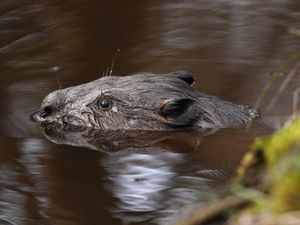
Beavers are set to be released at two sites in south-west England as part of efforts to reintroduce the species into the wild.
Natural England said it has issued two further licences to release the semi-aquatic animals, which engineer the landscape with dams, ponds and channels that boost other wildlife and help counter flooding and drought.
One of the releases is happening at the National Trust’s Holnicote Estate in Exmoor while Cornwall Wildlife Trust is carrying out a release at a location in the middle of the county.

They mark the second and third licensed releases since the landmark Government decision to allow the return of beavers to the wild last year after they vanished from the country’s waterways more than four hundred years ago.
The first licensed release of wild Eurasian beavers took place at the “super” national nature reserve in Purbeck, Dorset, in March 2025.
Nature minister Mary Creagh said: “The return of beavers is a vital part of this Government’s mission to protect and restore nature.
“I look forward to these projects getting going and more future beaver releases.”
While beavers became extinct in Britain more than 400 years ago due to hunting for their pelts, meat and glands, they have made their way back to England’s rivers, through escapes from enclosures and illegal releases, and were given legal protection in 2022.
They have also been introduced to many fenced wetland and river sites.
Conservationists had long called for licensed wild returns to the wider English countryside, to boost wildlife in the UK.
But there had also been concerns about impacts such as beavers flooding roads, properties and farmland or targeting crops such as maize and cricket bat willow.
Natural England said their return is being carefully managed to minimise any potential conflict with farming, food production and infrastructure.
Wild release projects need to demonstrate 10-year plans to support the introduction of beavers into a landscape before Natural England will consider granting them a licence.
Marian Spain, chief executive of Natural England, said: “The successful return of beavers depends on well-planned, collaborative projects built on engagement and trust, and we are committed to getting it right for both nature and communities.”
Natural England has identified 32 projects with potential to meet the beaver wild release criteria, and 11 have already been invited to apply.
Ben McCarthy, head of nature conservation at the National Trust, said: “Securing a licence for a second wild beaver release is fantastic news – and a major milestone as we continue to help nature recover across the landscapes we care for.
“It builds on the success we’ve already seen from beavers released into fenced enclosures in 2020, and the first wild release at Purbeck last year.”
Mr McCarthy added that the charity has been able to witness the beavers’ “extraordinary ability” to create rich wetlands that support wildlife, improve water quality, and help slow and store water in the landscape.
“We’ll continue to engage and involve farmers and the local community every step of the way, as together we welcome the return of a species that has been missing for more than 400 years,” he said.
But conservationists also warned that the redesign of the nature-friendly farming incentive will play a vital role in ensuring the efforts to return beavers to the wild are successful.
Vicki Hird, the Wildlife Trusts’ strategic lead on agriculture, said: “For beavers’ return to be effectively facilitated, it is vital that decisions being made right now on redesigning the sustainable farming incentive (SFI) farm payments do not remove options which support farmers to coexist with beavers on their land.
“Without such SFI options (alongside Countryside Stewardship schemes and capital grants) opportunities for nature recovery and the provision of ecosystem services will be missed.”