Infections concern hospital ‘killed and poisoned’ our loved ones, families say
The Scottish Hospitals Inquiry has been examining issues at the Queen Elizabeth University Hospital and Royal Hospital for Children in Glasgow.
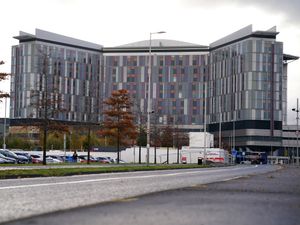
Families of patients treated at a hospital at the centre of infection concerns have said leadership must face a “reckoning” as they claimed flaws in the building’s environment “killed and poisoned our loved ones”.
In a statement released ahead of oral closing submissions to the Scottish Hospitals Inquiry, the families said they had been “lied to” and “demeaned and smeared” by NHS Greater Glasgow and Clyde (NHSGGC).
The inquiry has been examining the design and construction of the Queen Elizabeth University Hospital (QEUH) in Glasgow and the Royal Hospital for Children (RHC), which are on the same campus.
It was launched in the wake of deaths linked to infections, including that of 10-year-old Milly Main in 2017.
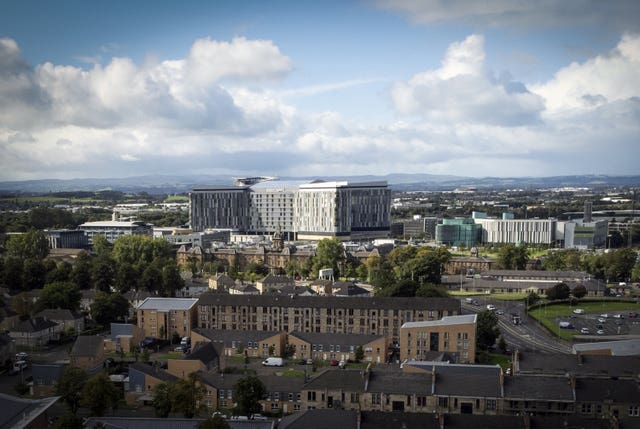
In written closing submissions, the health board accepted there was probably a “causal connection” between infections suffered by patients and the hospital environment, in particular the water system.
It also said pressure was applied to open the hospital on time and on budget, but it is now clear it opened “too early” and it “was not ready”.
NHSGGC has offered a “sincere and unreserved apology” to the patients and families affected, and said the QEUH and RHC are safe today.
Thompsons Solicitors Scotland represents the vast majority of those affected and it released a statement on their behalf on Thursday.
It said: “Major flaws in the water and ventilation system at the hospital killed and poisoned our loved ones.
“We all have our own unique experiences of what befell us at the hands of this unsafe hospital but we are all bound together by several key facts.
“We were all lied to by GGCH. We were all disbelieved by GGCH. We were all demeaned and smeared by GGCH. We have all had or families devastated and our lives traumatised by GGCH.
“Without our solidarity which gave us huge strength there would have been no public inquiry and we would not have this opportunity to hold those responsible to account.
“We cannot overstate the level of deceit and conniving cowardice displayed by GGCH during the whole unfolding of this awful scandal.
“As men, women and children fell ill and died, we were all told there is nothing to see here.”
They called for those past and present who have presided over the “despicable incompetence and cover-up” to be held to account.
The families said: “The leadership of GGCH past and present must now face a reckoning.”
They also called for action from political leaders and said “we are not going away”.
Their statement said: “The QEUH is not a safe hospital. The current leadership of GGCH cannot be trusted to make it safe. The fates of our loved ones demand the hospital is made safe.
“The people of Scotland demand it be made safe.”
They also thanked the “brave and decent clinicians and staff” who tried to speak out but who the families say were “silenced” by the health board.
In its written closing submissions, NHSGGC said it has been “broadly acknowledged that there is no definite link between infections and the water system”.
However it said it accepts it is “more likely than not that a material proportion of the additional environmentally relevant blood stream infections in the paediatric haemato-oncology population between 2016 and 2018 had a connection to the state of the hospital water system”.
NHSGGC said: “We offer our sincere and unreserved apology to the patients and families affected.
“We want to reassure patients and families that the QEUH and RHC are safe today. Ensuring the safe care of our patients is our key priority at all times.
“Comprehensive steps have been taken to address past physical defects in the building and a significant programme of maintenance and monitoring is in place. Our staff are committed to providing safe, high-quality care.
“It wouldn’t be appropriate for us to comment further at this time while the inquiry is ongoing.”
Scottish Health Secretary Neil Gray said: “The Government brought forward the public inquiry so that families – some of whom I have met, and to whom I pay tribute for their work and their diligence following the trauma that they have undoubtedly experienced – can get answers to the questions that they are posing.
“It is because we have instigated a public inquiry that, I believe, we are getting to the truth.
“We have provided all relevant evidence to the inquiry, relating to the whole of its terms of reference. That is still being considered by the inquiry and so it is important that we allow it the space to consider its final conclusions.
“I will not comment further until the inquiry publishes its findings.”