Spring statement to take place on March 3, Rachel Reeves tells MPs
The Chancellor said the Government only plans to deliver ‘one major fiscal event a year’.
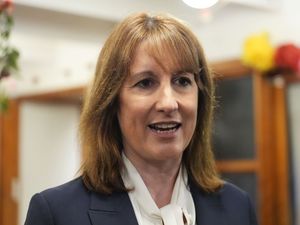
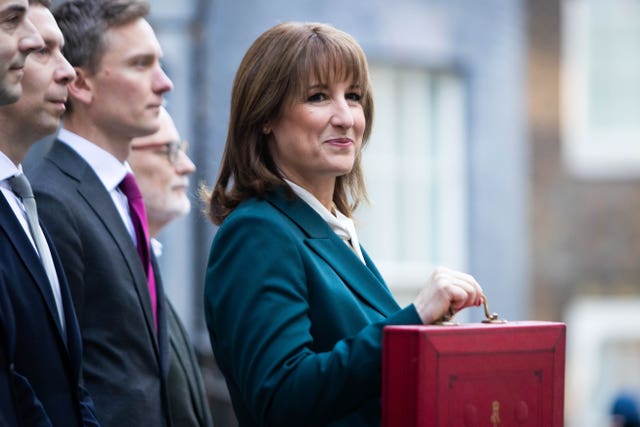
A spring statement will be delivered in Parliament on Tuesday March 3, Rachel Reeves has told MPs.
The statement will follow an economic and fiscal forecast by the Office for Budget Responsibility (OBR), due to be prepared for that date, the Chancellor said in a written statement to the Commons.
Ms Reeves insisted the Government only plans to “deliver one major fiscal event a year at the budget” each autumn.
“This approach gives families and businesses the stability and certainty they need and, in turn, to support the Government’s growth mission,” she told MPs.
The spring statement “will not make an assessment of the Government’s performance against the fiscal mandate”, she said.
Instead it “will provide an interim update on the economy and public finances”, following the budget at the end of November.
In her second budget, the Chancellor introduced £26 billion-worth of hikes across a variety of taxes, in what was described at the time as a “smorgasbord” strategy aimed at building a larger buffer for her spending and borrowing plans.
Among the measures were a freeze on income tax thresholds, which followed speculation that the headline rate of the tax could be hiked for the first time in decades.
A cap on salary sacrifice schemes, such as optional higher pension contributions, and the “high-value council tax surcharge”, a so-called “mansion tax” on properties in England worth more than £2 million, were also among the rises.
But Ms Reeves also set out extra spending aimed at the least well-off, including by scrapping the two-child cap on benefits with the aim of easing child poverty.
The budget was subject to rampant speculation and apparent leaks from within Government ahead of Ms Reeves standing up to deliver it on November 26.
This was capped off with the OBR’s fiscal and economic outlook – its in-depth analysis of the budget – being leaked in full just hours ahead of the Chancellor’s statement in Parliament.
Richard Hughes, head of the budget watchdog, resigned as a result of the leak.