Documents reveal how BBC sought Laurence Olivier for debut TV appearance
The BBC are releasing thousands of files, including a letter inviting a 26-year-old Sir David Attenborough onto a TV training course.
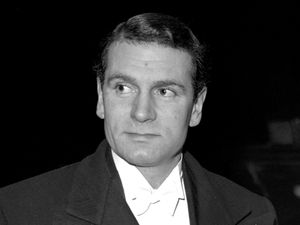
The BBC is releasing archive material that will show the “untold story” of how the corporation attempted to persuade Laurence Olivier to make his TV debut for the broadcaster.
Also among the documents that are being made public as part of the new initiative aiming to shine a light on the corporation’s role in cultural and social history are letters addressed to a young Sir David Attenborough.
The first release contains around 50,000 files, including internal memos and letters which show the BBC’s attempt to get Olivier to work with them.

A letter addressed to his business associate, Anthony Bushell, dated October 14 1949, says: “Do, if you feel able, try to persuade Olivier to do some television for us now that he is a little freer after Streetcar. We would put on almost anything he liked and would do it in the best possible manner.”
Another document says: “Commercial Television Notes No 127 received. It was noted that no explanation was yet forthcoming of Sir Laurence Olivier’s decision to appear on ITV, after turning down repeated offers from the BBC.”
Elsewhere, a letter shows the BBC asking a 26-year-old Sir David, now 99, to apply for the Television Training Course following his unsuccessful application for a producer role in 1952.
A letter dated July 22 1952, with a letterhead which reads The British Broadcasting Corporation, says: “Dear Mr Attenborough, Thank you for coming to the Central Interviewing Board on Wednesday July 9 1952.

“I am now writing to let you know that you were selected for the Television Training Course as a Talks Producer.”
Sir David joined the BBC in 1952 and later became controller of BBC2, overseeing the advent of colour TV before he became BBC director of programming.
There is also a chain of correspondence between Dame Vanessa Redgrave and the BBC that shows the 15-year-old actress had been seeking an audition for herself and her brother Corin.
Other releases showcase historical moments, with reports and cables from the 1930s and 1940s documenting Franklin D Roosevelt’s US presidential inauguration and wartime broadcasts.
“The BBC Archives Technology and Services manages one of the world’s oldest and largest multimedia archives,” according to the corporation and there are agreements in place with the British Film Institute (BFI) and the British Library to facilitate research access to BBC programmes.

Noreen Adams, director of Archives Technology and Services, said: “This release is part of our plans to make more of the BBC’s written archives available to the public, opening up the stories behind our programmes and people who have helped shape British broadcasting.
“This first batch includes extraordinary material with some of our biggest household names, alongside thousands of other documents that give fresh context to our cultural history.
“What’s more exciting is this is just the beginning – in 2026 we’ll also be releasing further selections from the written archives to coincide with major BBC anniversaries and events.
“For us, it’s about ensuring that these records are not only preserved but actively shared, so they can inspire researchers, creators and audiences today and in the future.”