
How Black Country are you? 25 family history clues that could reveal your roots

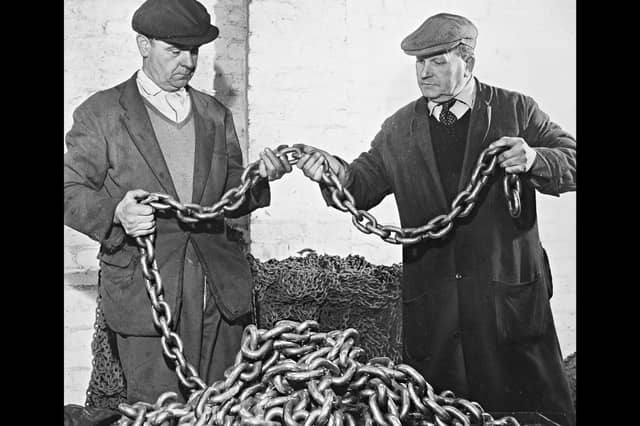

This article contains affiliate links. We may earn a small commission on items purchased through this article, but that does not affect our editorial judgement.
From chainmakers and lockmakers to miners, nailers and glass workers, these old Black Country jobs could reveal just how deep your family roots run.
How Black Country are you?
For generations, families across Dudley, Sandwell, Walsall and Wolverhampton made everything from chains and locks to nails, bricks and glass, helping turn the Black Country into one of Britain's great industrial heartlands.
And while the factories, mines and furnaces have changed beyond recognition, clues to that past can still turn up in family trees today.
An old census entry might reveal a chainmaker from Cradley Heath, a lockmaker in Willenhall or a coal miner in Dudley. Other ancestors might have worked as nailers, puddlers, glass cutters, brickmakers or boatmen on the canals that carried Black Country goods around Britain.
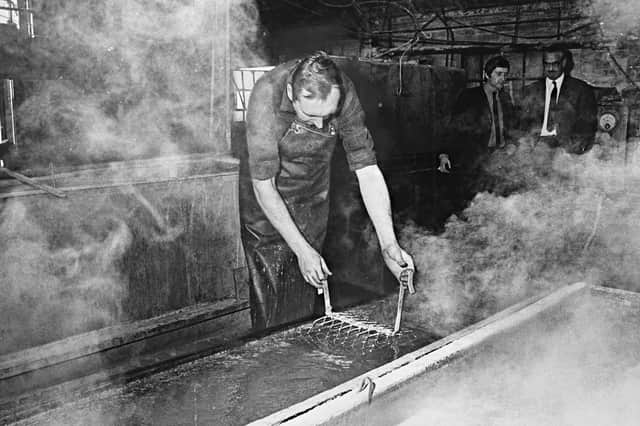
Even a family surname can sometimes provide a clue to an older trade or landscape.
For anyone curious about where their own family came from, MyHeritage DNA kits are currently £19.90, giving another way to explore genetic origins and find DNA matches who could belong to previously unknown branches of a family tree.
So how many of these Black Country connections can you find in your own family?
Here are 25 jobs, industries and family-history clues that could reveal just how deep your local roots go.
1. Chainmaker
Few occupations are more strongly associated with the Black Country.
Generations of men and women forged chain by hand, with Cradley Heath becoming particularly famous for the trade. Small workshops could sit behind houses, meaning work and family life were often separated by little more than a back door.
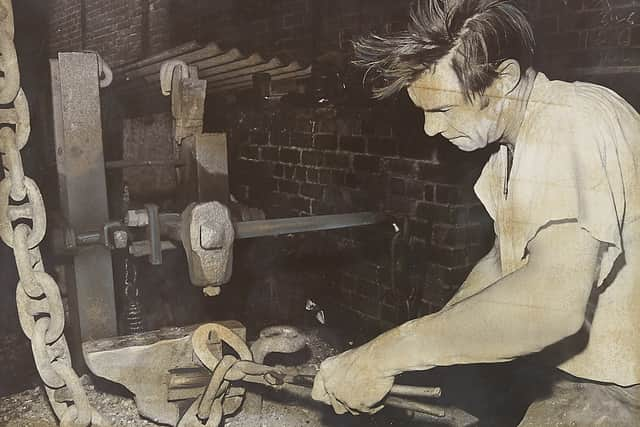
Finding "chainmaker" on an old census is a powerful clue to a Black Country family story.
2. Nailer
Before nails were mass-produced in huge factories, thousands were hammered out individually by hand.
Nailmaking became an important cottage industry around places including Dudley, Sedgley, Gornal, Lye and Halesowen. Entire families could work at the trade, sometimes in small backyard workshops.
3. Lockmaker
A lockmaker in your family tree could point towards one particular part of the Black Country.
Willenhall became synonymous with locks and keys, with generations employed in workshops and factories producing locks for customers far beyond the region.
4. Coal miner
Coal lies at the heart of the Black Country story.
The area's rich seams helped fuel its extraordinary industrial expansion, and mining employed generations of local families. Old records may simply say "miner", "coal miner" or list a more specialised role underground.
5. Puddler
This is one of those old occupations that can stop a modern family historian in their tracks.
A puddler worked in ironmaking, using intense heat and considerable physical effort to refine pig iron into wrought iron. It was skilled, exhausting work carried out in the furnaces that once dominated parts of the Black Country.
6. Furnaceman
If your ancestor was recorded as a furnaceman, furnace keeper or similar, they may have worked amid the heat of one of the region's ironworks or foundries.
Iron was fundamental to the Black Country economy and supported countless other trades, from chains and nails to machinery.
7. Iron founder
Foundries turned molten metal into the objects that helped build Victorian Britain.
An iron founder or foundry worker could have helped produce everything from industrial components to household goods and street furniture.
8. Brickmaker
Brickmaking was another major Black Country industry, particularly where suitable clay lay beneath the ground.
The work was hard and dirty, and women as well as men played an important role in the trade.
Family history does not always begin with a famous ancestor. Sometimes the most interesting discovery is an ordinary occupation repeated across several generations. MyHeritage DNA kits are currently £19.90 for anyone looking for another route into their family's story.
9. Glassmaker
Stourbridge and the surrounding area became internationally known for glassmaking.
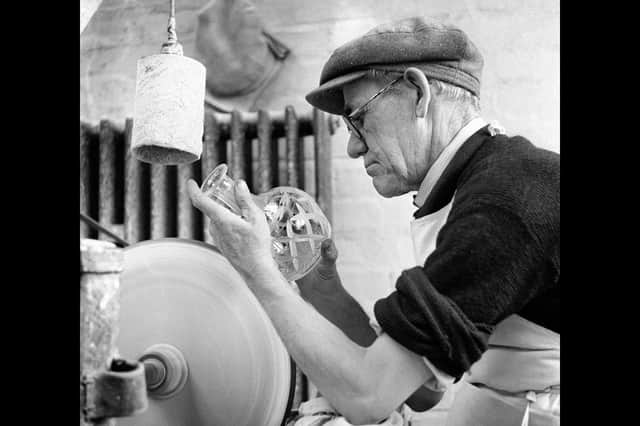
If words such as glassmaker, glass cutter, glass blower or glass engraver appear in your family records, there may be a connection to one of the area's most celebrated industries.
10. Glass cutter
Glass cutting was a skilled specialist trade in its own right.
Workers created intricate patterns in finished glass, helping establish the reputation of Black Country glass far beyond the Midlands.
11. Enameller
Enamelling also became closely associated with parts of the region.
The process involved applying a durable decorative or protective coating to metal, and Black Country factories produced an extraordinary variety of enamelled goods.
12. Edge-tool maker
Axes, chisels and other cutting tools were another Black Country speciality.
An ancestor described as an edge-tool maker would have been part of the enormous network of metal trades that grew up across the region.
13. Trap maker
This is a particularly distinctive Black Country job.
Wednesfield became associated with the manufacture of steel traps, with locally made products exported around the world.
It is exactly the sort of occupation that can turn an otherwise anonymous name on a census page into a much more vivid family story.
14. Tube worker
Tube manufacture became another important part of the industrial landscape.
Workers produced metal tubing needed for engineering, construction and numerous manufactured products, adding another branch to the extraordinary range of Black Country metalworking.
15. Riveter
Before welding became widespread, rivets were essential for joining metal.
A riveter might have worked in engineering, boiler making or other heavy industries, often alongside teams of highly specialised workers.
16. Pattern maker
Pattern makers were skilled craftspeople who produced the models used to create moulds for metal casting.
It required accuracy and woodworking expertise, making it a vital behind-the-scenes occupation in a region packed with foundries.
17. Moulder
A moulder prepared moulds into which molten metal could be poured.
It was another skilled job at the heart of foundry work and may appear frequently in family records from heavily industrialised Black Country towns.
18. Boatman
The Black Country's canals were once working transport arteries rather than places for a weekend stroll.
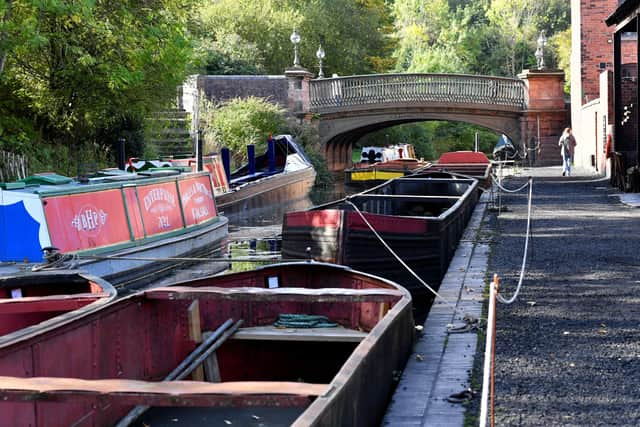
Boatmen and their families carried coal, iron, raw materials and finished goods between factories, wharves and markets. Some families effectively lived much of their lives on the waterways.
19. Wharf worker
Where there were canals and factories there were also wharves.
Workers loaded and unloaded the raw materials that kept Black Country industry moving, connecting mines and factories with the wider canal network.
20. Carter
Not everything travelled by canal or railway.
Carters transported goods by horse and cart, carrying raw materials and finished products over shorter distances between businesses, stations, wharves and customers.
A DNA test cannot tell you whether an ancestor hammered chains or worked a furnace, but it can sometimes provide another piece of the family puzzle. MyHeritage DNA kits are currently £19.90 and can help users explore genetic origins and identify DNA relatives.
21. Blacksmith
The blacksmith was important almost everywhere, but in a metalworking region the trade sat naturally within a much bigger industrial ecosystem.
Smiths forged and repaired tools, fittings and countless everyday metal objects.
22. Wheelwright
A wheelwright made and repaired wooden wheels for carts and other vehicles.
It was a highly skilled occupation in an age when horse-drawn transport was fundamental to moving people and goods.
23. Engine fitter
As Black Country industry became increasingly mechanised, engineering trades became ever more important.
Fitters assembled, maintained and repaired machinery, and the occupation can appear under a variety of descriptions in census and employment records.
24. Labourer
This might sound like the least revealing entry on the list, but it should not be ignored.
"Labourer" covered an enormous range of work. The address, employer, relatives and neighbouring census entries can sometimes reveal whether an ancestor was connected with a mine, ironworks, brickworks, canal or another local industry.
25. The same job appearing generation after generation
Perhaps the biggest Black Country clue is not one particular occupation but a pattern.
A son could follow his father into the mine, forge or factory, while brothers, sisters, cousins and neighbours often worked in the same industry. Following a family through successive census returns can reveal entire communities built around one trade.
So how Black Country are you?
There is no official test, of course. Being Black Country is about far more than whether somebody in your family once hammered a nail or worked down a coal pit.
But old occupations can provide remarkably vivid clues about where a family lived and the community of which it was part.
Census records, parish registers, certificates, electoral registers and old newspapers can gradually transform names and dates into actual lives. Addresses can be particularly useful because they allow family historians to place relatives close to individual mines, workshops and factories.
DNA provides a different type of clue. MyHeritage DNA kits are currently available for £19.90, making them an unusual Christmas gift for the person in your family who is always asking where everyone came from.
The results may take the family story far beyond the West Midlands or reveal relatives nobody knew existed.
But if your tree is packed with chainmakers, miners, lockmakers, nailers and iron workers from Dudley, Sandwell, Walsall and Wolverhampton, there is certainly plenty of Black Country history running through it.