
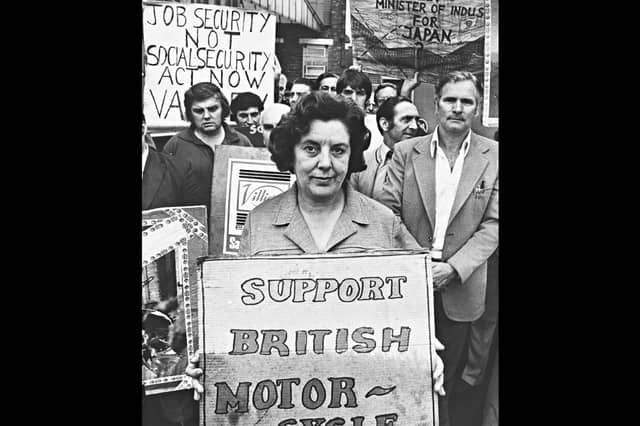

Step back to the 1970s, when the sound of heavy machinery, the glow of furnaces and the bustle of factory floors were woven into everyday life across Wolverhampton, the Black Country and Staffordshire.
This gallery brings together archive photographs capturing life inside and outside the region’s factories and workplaces. From roaring furnaces and pneumatic hammers at historic toolmakers to quiet, ivy-clad works, purpose-built industrial estates, picket lines and factory closures, these images offer a vivid glimpse of the people, places and working lives of a region at the heart of Britain’s industrial story.
Do you remember these workplaces, or did you or someone in your family work there? Share your memories and stories in the comments.
- Take a look at these 31 pictures capturing the spirit of Wolverhampton and the Black Country.
- You can enjoy this and more with our weekly FREE Nostalgia Newsletter - with scores of archive pictures and exclusive features on the history of Wolverhampton, Staffordshire and the Black Country - all sent to your inbox every week. Sign up here.
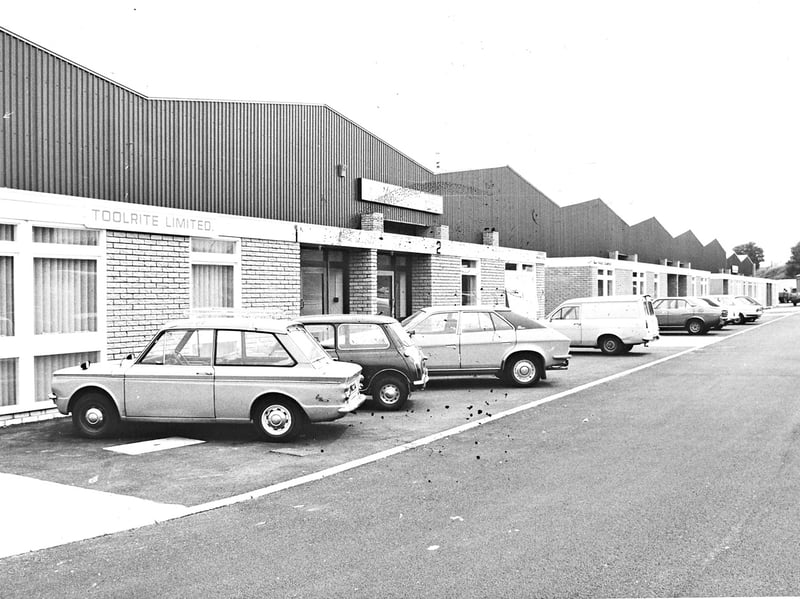
33. Parked saloons, crisp brickwork, and a wave of late-seventies industrial development in Wolverhampton
Parked neatly along a newly paved access road, a row of late-1970s vehicles sits directly outside the modern premises of Toolrite Limited in July 1979. The custom-built unit stood as one of several new factories constructed within the designated Stafford Road development area in Wolverhampton. Featuring low-slung brick fascias, prominent company lettering, and profiled metal cladding, the site exemplified the contemporary industrial estate designs sweeping the West Midlands toward the end of the decade. The crisp exterior view captures a confident moment of regional investment as toolmaking and engineering firms expanded into purpose-built commercial spaces. | Express & Star archive
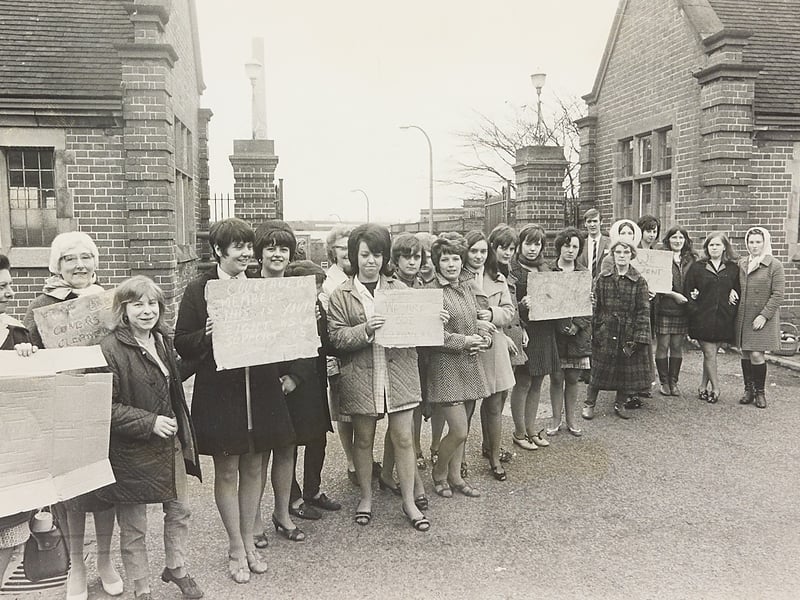
34. Holding placards and standing united for fair pay at the factory gates
Holding handwritten cardboard placards outside the brick lodge gates, women pickets gather at the Courtaulds factory in Wolverhampton in April 1970. A walkout over pay rates for 220 female workers quickly escalated as hundreds of colleagues joined in solidarity, threatening the plant with a complete operational shutdown. Dressed in typical early-1970s coats and hairstyles, the striking workers lined the main entrance to press their demands for equal consideration and better wages. The compelling scene captures a pivotal moment of grassroots industrial action, highlighting the prominent role of women workers in West Midlands labour disputes. | Express & Star archive
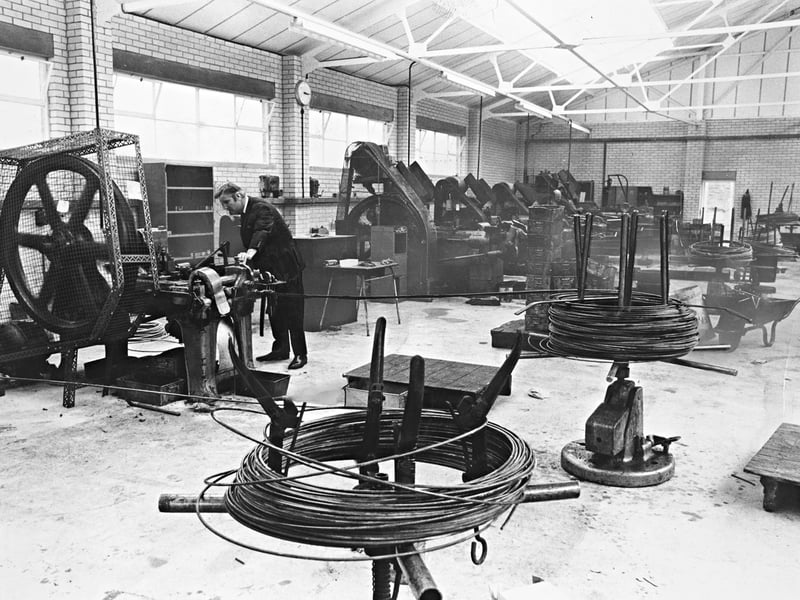
35. Coils of wire, heavy machinery, and a brand-new facility for a Tipton fastener specialist
Adjusting a belt-driven heading machine, a suited worker sets up production inside the newly completed factory for Regis Screw and Bolt Co Ltd in July 1970. Located at Princes End in Tipton, the spacious, bright new workshop features whitewashed brick walls, exposed steel roof trusses, and modern manufacturing equipment tailored for high-volume fastener production. Coils of heavy steel wire sit mounted on wire-feed stands in the foreground, feeding directly into heavy machinery lined up along the shop floor. The industrious scene captures a major milestone for the Tipton firm as it expanded manufacturing capacity to meet growing demand across the Black Country metalworking sector. | Express & Star archive
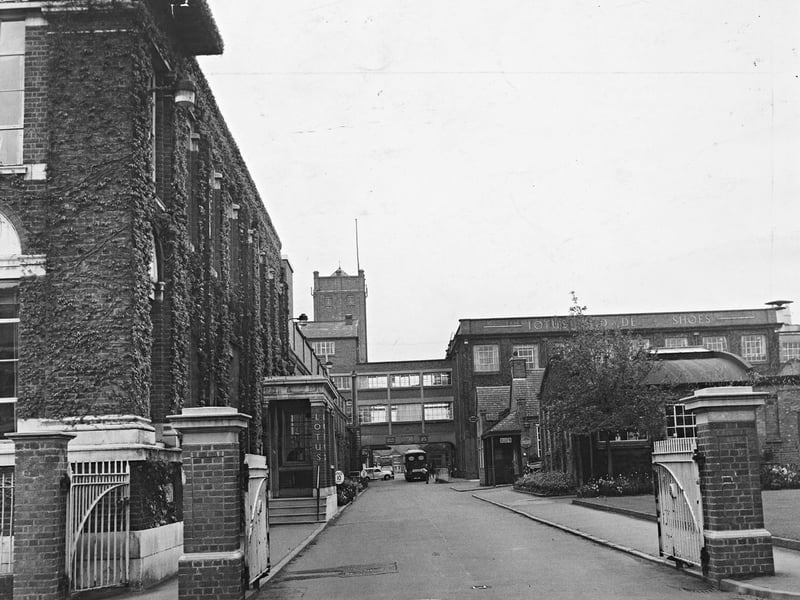
36. Ivy-clad walls, quiet brickwork gateways, and the stately footprint of a historic shoemaking complex
Framed by brick gate piers and ivy-draped facades along the main driveway, a quiet perspective captures the Lotus Shoe Works in May 1970. Located in Stafford, the grand manufacturing site features connecting overhead walkways and imposing industrial structures bearing company signage along the roofline. Renowned as one of the region's prominent footwear producers, the Lotus factory was a major local landmark and employer throughout the 20th century. The atmospheric exterior view showcases the architectural charm and scale of Stafford's historic shoemaking heritage during the early 1970s. | Express & Star archive