
The 1940s brought the seismic shock of war, and for many children the upheaval of evacuation. Thousands left Britain’s cities for the relative safety of villages and towns across Staffordshire and Shropshire.
Hardship and uncertainty defined the war years, yet life continued as best it could. On the Home Front, communities pulled together, each playing their part in the struggle for victory and the hope of a better future.
As the decade drew to a close, Britain faced further challenges, including one of the harshest winters on record. It was also a time of profound change, with the creation of the NHS and the arrival of the Windrush marking a new chapter in the nation’s story.
We invite you to share your reflections on this gallery in the comments below.
- You can enjoy this and more with our weekly FREE Nostalgia Newsletter - with scores of archive pictures and exclusive features on the history of Wolverhampton, Staffordshire and the Black Country - all sent to your inbox every week. Sign up here.
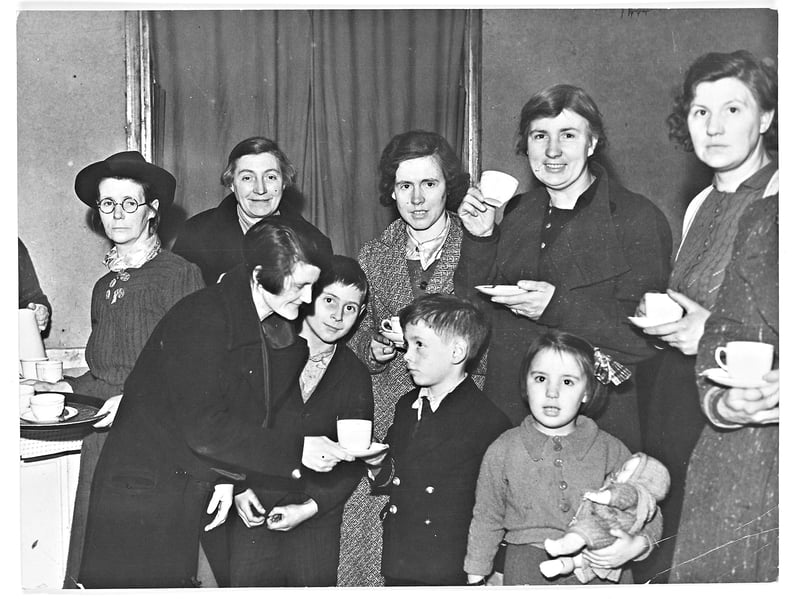
1. Kinver, 1940
Kinver, December 1940 – Birmingham evacuees arrive under cover of darkness, part of the mass movement of children and families sent from the city during the Second World War to escape the threat of bombing. A stark wartime moment reflecting the disruption of ordinary life, as communities in rural Staffordshire took in those displaced from the industrial Midlands. | Express & Star archive
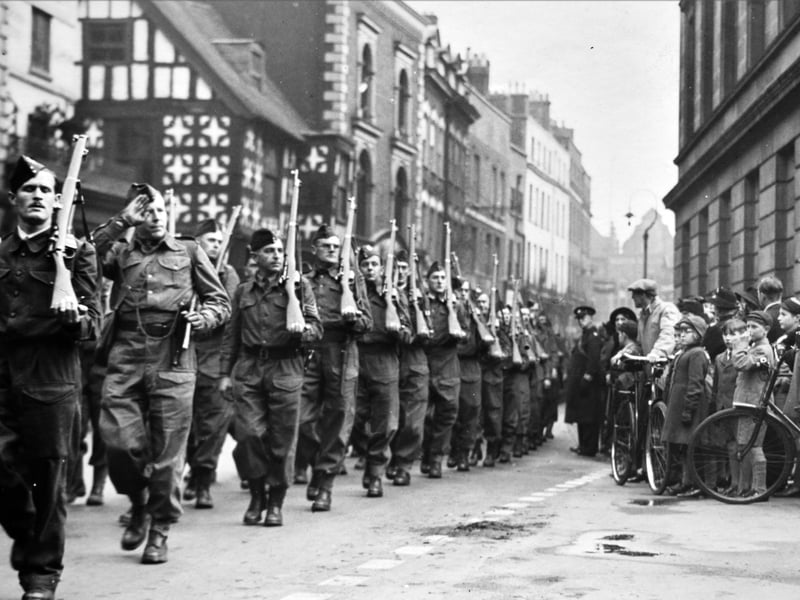
2. Shrewsbury, 1940
Shrewsbury, October 1940 – a wartime scene in the Square as Earl of Bradford takes the salute during a combined exercise and parade by the Shrewsbury Home Guard. The moment reflects a town standing firm on the home front, when ordinary men trained and drilled in the spirit of national defence during the dark early years of the Second World War. | Picture: E A Wood
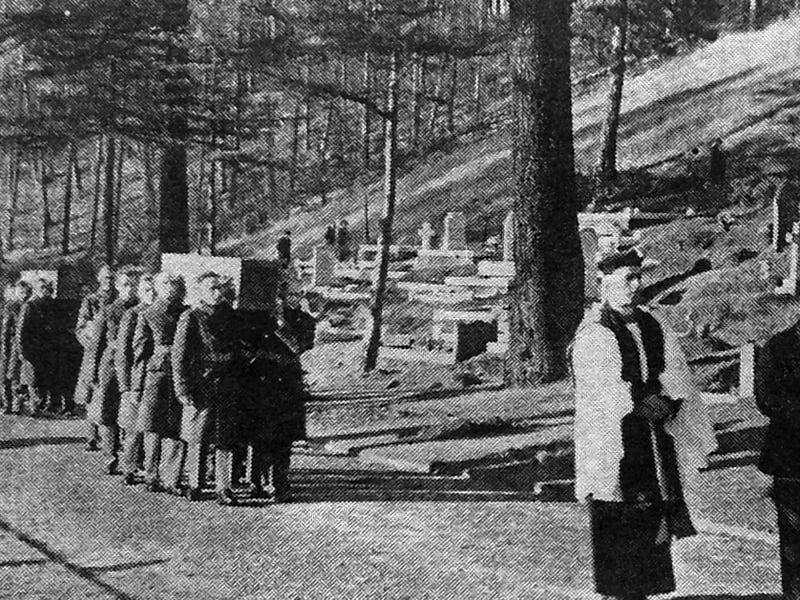
3. Bridgnorth, 1940
Bridgnorth, November 21, 1940. A wartime funeral with full military honours for two German airmen killed in a crash near Monkhopton. In a solemn gesture of respect amid conflict, the RAF joined the cortege as the coffins were carried along the tree-lined drive to the cemetery chapel, with rifles fired in salute and the Last Post echoing across the graveside. | Express & Star archive
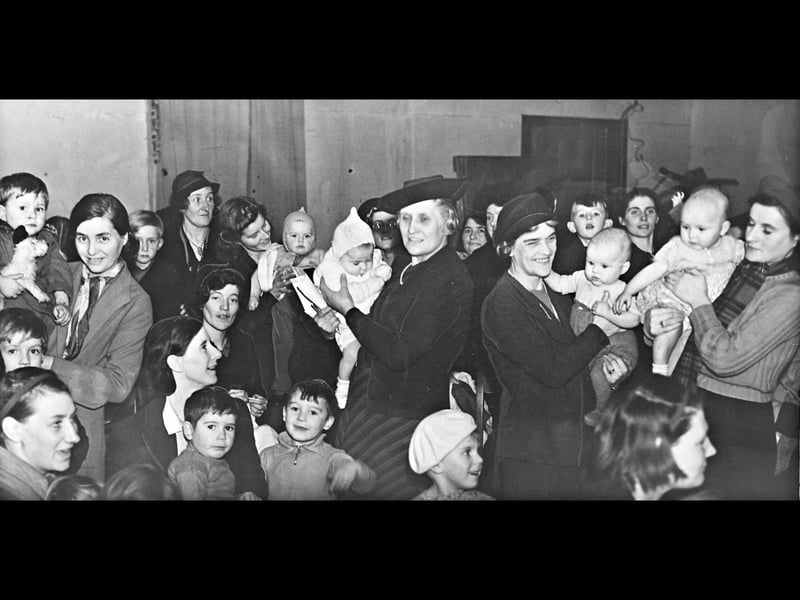
4. Tettenhall Working Men's Club, 1941
Mrs Buck (centre) cradling a baby in her arms, stands among fellow helpers at Tettenhall Working Men’s Club in 1941 – a quiet wartime moment of care, community and shared resilience on the home front. | Express & Star archive