
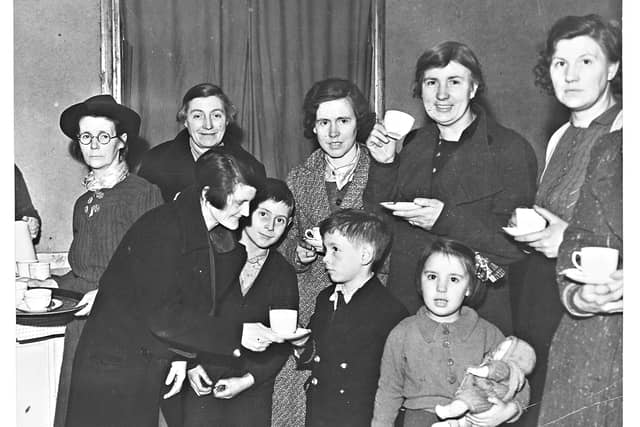

The 1940s brought the seismic shock of war, and for many children the upheaval of evacuation. Thousands left Britain’s cities for the relative safety of villages and towns across Staffordshire and Shropshire.
Hardship and uncertainty defined the war years, yet life continued as best it could. On the Home Front, communities pulled together, each playing their part in the struggle for victory and the hope of a better future.
As the decade drew to a close, Britain faced further challenges, including one of the harshest winters on record. It was also a time of profound change, with the creation of the NHS and the arrival of the Windrush marking a new chapter in the nation’s story.
We invite you to share your reflections on this gallery in the comments below.
- You can enjoy this and more with our weekly FREE Nostalgia Newsletter - with scores of archive pictures and exclusive features on the history of Wolverhampton, Staffordshire and the Black Country - all sent to your inbox every week. Sign up here.
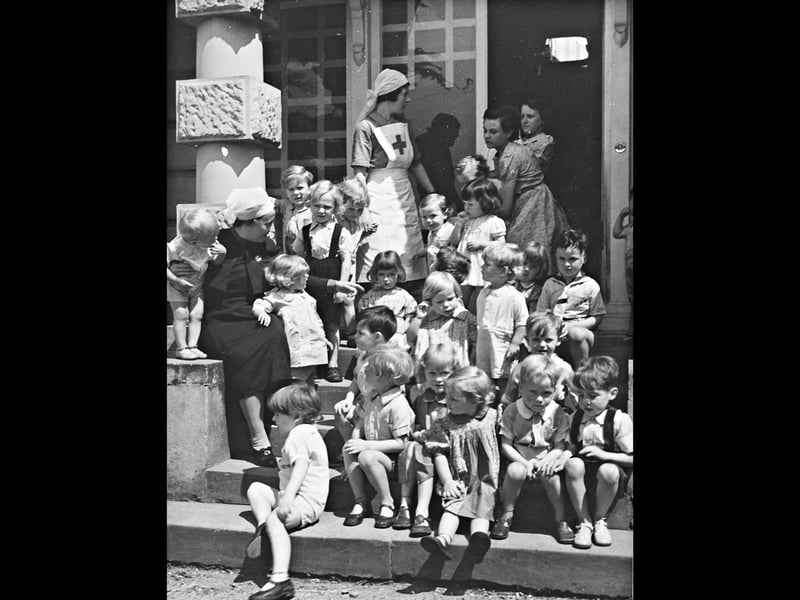
5. Shrewsbury, 1941
Evacuee children from bombed-out London arrive at the “Waifs and Strays Home” in Shrewsbury, 1941. Standing at the doorway alongside a Red Cross nurse as they are taken in during the upheaval of war. A poignant wartime scene of displacement and care, reflecting the wider story of evacuation during the Second World War, when children were moved from cities under threat to safer communities such as Shrewsbury. | Express & Star archive
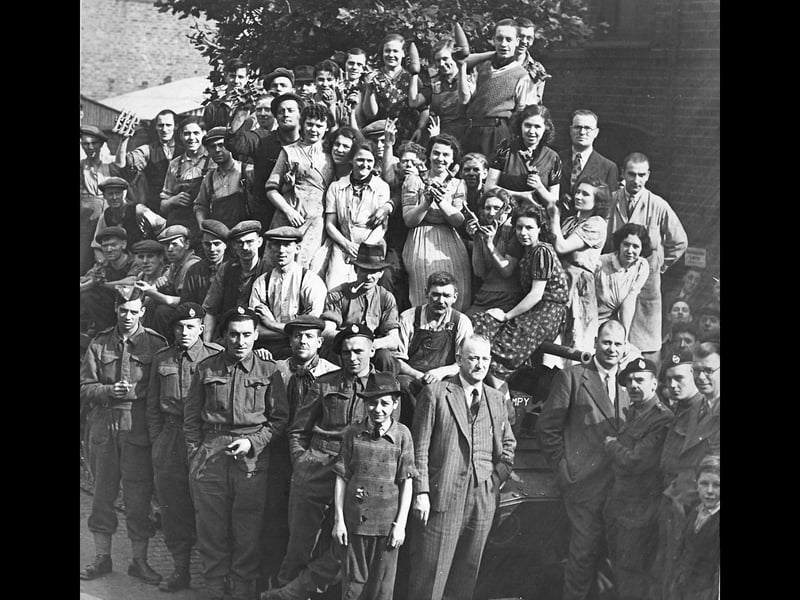
6. Walsall, 1941
A wartime factory scene in Walsall, October 1941, where a workforce still largely dominated by men is joined by a small number of women stepping into industrial roles as the demands of the Second World War reshape everyday working life. A snapshot of change on the home front, reflecting how women increasingly took on skilled and semi-skilled work in factories across the Midlands, helping to sustain production during a period of national mobilisation. | Express & Star archives
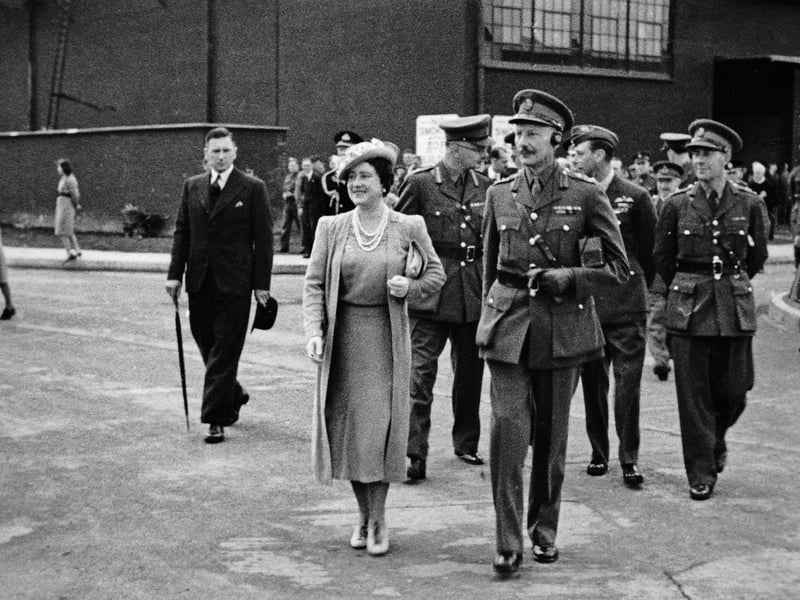
7. Donnington, 1942
Donnington, July 1942 – a rare wartime royal visit to COD Donnington, where King George VI and Queen Elizabeth The Queen Mother are seen meeting officers during a moment of ceremony and morale-boosting amid the demands of war. In the foreground stands Brigadier de Wolff, the depot’s first commandant, a steady figure noted for his quiet determination despite being deaf in one ear and relying on a hearing aid. | Express & Star archive
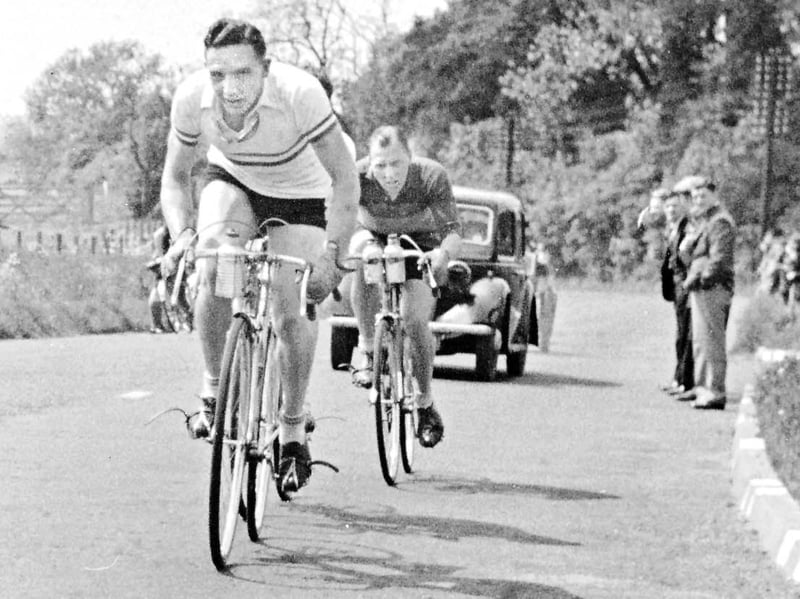
8. Wolverhampton Racing Cycling Club, 1942
Percy Stallard (front), the Wolverhampton cyclist whose determination helped transform the sport, stands as a pioneering figure in British cycling history. At a time when massed-start racing on public roads faced strong opposition, he challenged convention and helped pave the way for the events now taken for granted. From wartime Britain comes the landmark Llangollen to Wolverhampton race of 1942 – widely regarded as one of the first of its kind in the country – where Albert Price of Wolverhampton Racing Cycling Club took victory, with Jack Holmes of Yorkshire also among the early finishers. | Express & Star archive