
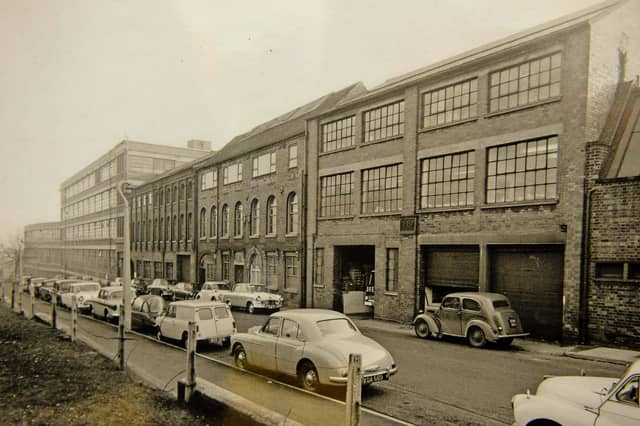

Step back to 1962 and discover a fascinating snapshot of Wolverhampton, Staffordshire and the Black Country at a time of change, confidence and industrial strength. These photographs capture the people, places and moments that shaped the region more than 60 years ago.
From the roaring furnaces of Bilston Steelworks and busy press lines in Willenhall to the opening of new schools, factories and industrial centres, the pictures reveal a region at the heart of Britain's manufacturing might. But alongside the industry are the stories of everyday life that made these communities unique.
You'll find Wolverhampton's Caribbean community celebrating Jamaican Independence at Wulfrun Hall, the centuries-old tradition of the Abbots Bromley Horn Dance, community gatherings, familiar faces and moments that capture the character of the region in 1962.
Whether these scenes bring back memories or offer a glimpse into a bygone age, this gallery is a celebration of the people, traditions and industries that helped shape Wolverhampton, Staffordshire and the Black Country. If these photographs spark a memory, we'd love to hear your stories in the comments.
- Explore these 59 nostalgic pictures capturing the workplaces and industries that shaped the Black Country and Staffordshire in the 1980s.
- You can enjoy this and more with our weekly FREE Nostalgia Newsletter - with scores of archive pictures and exclusive features on the history of Wolverhampton, Staffordshire and the Black Country - all sent to your inbox every week. Sign up here.
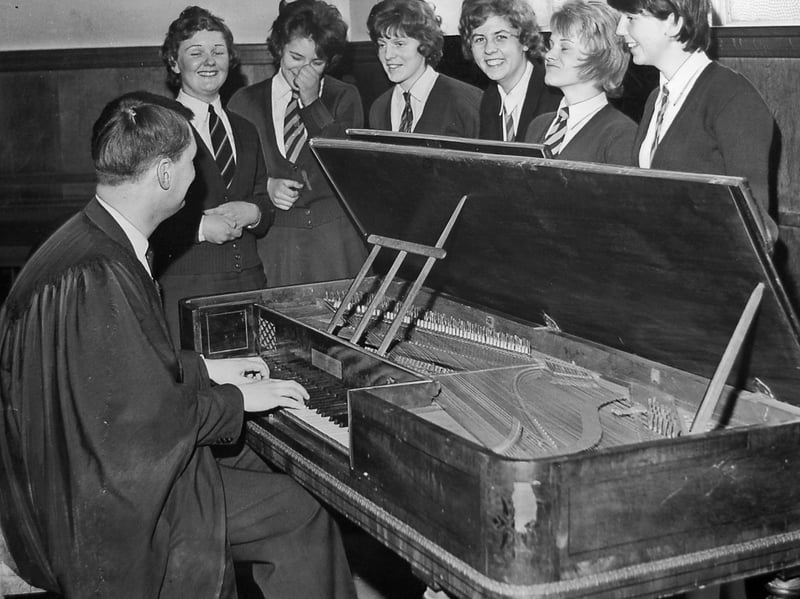
33. Striking the right note with a rare piece of musical history
Music master Mr J Buckley plays a tune for an admiring group of pupils at Rugeley Grammar School in March 1962. Equally adept at classical and jazz, Mr Buckley sits at a rare square piano built by John Broadwood and Sons Ltd of London around the turn of the 19th century. Rescued from a damp garage where it had been left lying on its side, the historic instrument was specially loaned to the school to accompany their end-of-month production of The Beggar's Opera. Do you remember taking part in school plays or music lessons at Rugeley Grammar back in the 1960s? | Express & Star archive
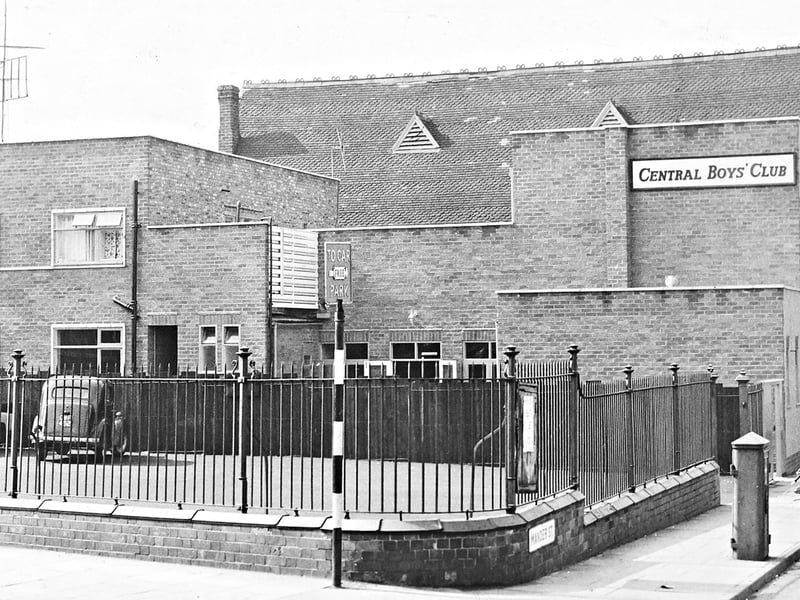
34. A modern new look for Wolverhampton’s Central Boys’ Club
The newly modernised and extended premises of the Central Boys’ Club stand proudly on the corner of Mander Street and Penn Road in September 1962. A vital hub for local youth activities and sports, the upgraded facility was set to be officially reopened by Wolverhampton-born industrialist and philanthropist Charles Hayward. Featuring a fresh brick extension, dedicated parking area, and improved recreational rooms, the revamp provided local youngsters with a state-of-the-art space to meet, train, and socialise. Did you or any of your friends spend time at the Central Boys’ Club on Mander Street back in the 1960s? | Express & Star archive
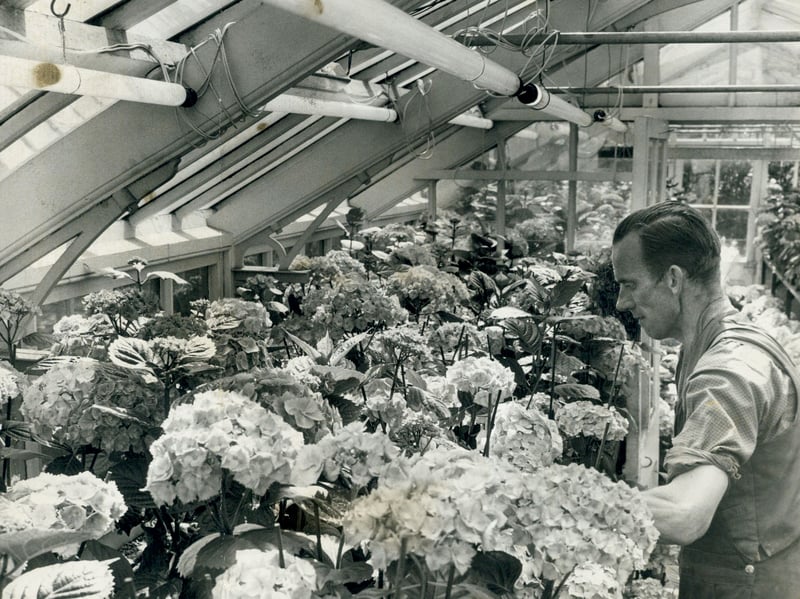
35. A little artificial sunshine for a blooming royal welcome
Walsall Arboretum gardener Mr F Townsend tends to a sea of vibrant hydrangeas inside the park's glasshouses in May 1962. To ensure the flowers were in full, glorious bloom for Her Majesty Queen Elizabeth II's upcoming visit to the town, the botanical display was being forced into early growth using overhead lamps providing 'artificial sunshine.' The meticulously cultivated blooms provided a stunning floral welcome for the monarch, showcasing the extraordinary care and skill of Walsall’s parks team during the royal celebrations. Do you remember visiting the glasshouses at Walsall Arboretum or seeing the civic floral displays during the Queen's 1962 visit? | Express & Star archive
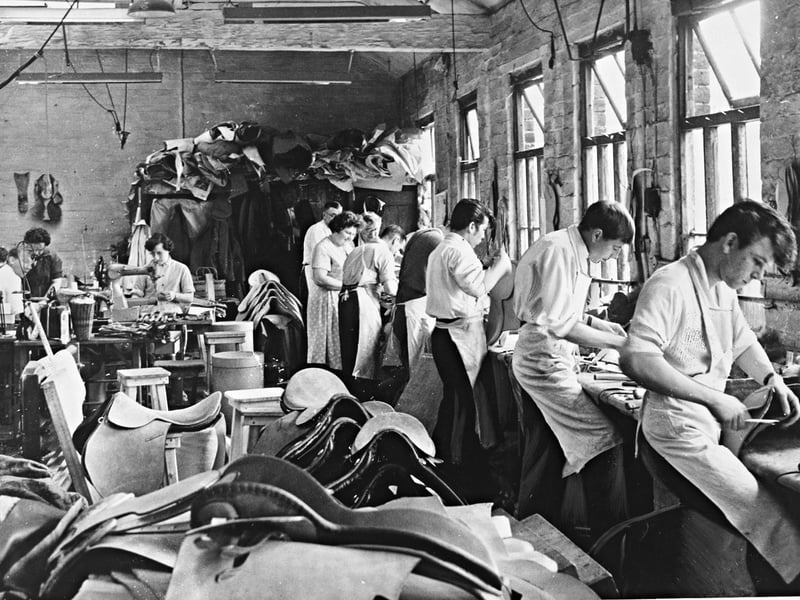
36. Carrying on crafting in cramped quarters after the flames
Skilled leatherworkers press on with their daily craft inside the bustling workshop of Modern Saddlery (Walsall) Ltd on Littleton Street in June 1962. Following a recent fire at the premises, the dedicated team found themselves working under far-from-ideal conditions, squeezed into a tightly packed saddle room surrounded by piles of leather cuts and completed saddles. Renowned as the traditional capital of Britain's leather trade, Walsall’s resilient saddlers refused to let a setback stop production, continuing to supply fine equestrian goods around the country. Did you or any of your family work in Walsall’s famous leather trade back in the 1960s? | Express & Star archive