
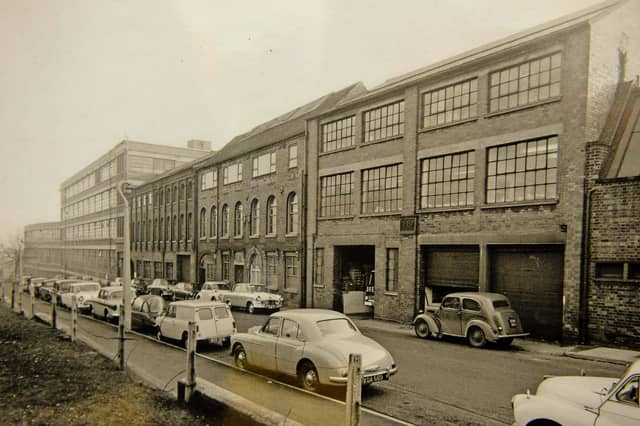

Step back to 1962 and discover a fascinating snapshot of Wolverhampton, Staffordshire and the Black Country at a time of change, confidence and industrial strength. These photographs capture the people, places and moments that shaped the region more than 60 years ago.
From the roaring furnaces of Bilston Steelworks and busy press lines in Willenhall to the opening of new schools, factories and industrial centres, the pictures reveal a region at the heart of Britain's manufacturing might. But alongside the industry are the stories of everyday life that made these communities unique.
You'll find Wolverhampton's Caribbean community celebrating Jamaican Independence at Wulfrun Hall, the centuries-old tradition of the Abbots Bromley Horn Dance, community gatherings, familiar faces and moments that capture the character of the region in 1962.
Whether these scenes bring back memories or offer a glimpse into a bygone age, this gallery is a celebration of the people, traditions and industries that helped shape Wolverhampton, Staffordshire and the Black Country. If these photographs spark a memory, we'd love to hear your stories in the comments.
- Explore these 59 nostalgic pictures capturing the workplaces and industries that shaped the Black Country and Staffordshire in the 1980s.
- You can enjoy this and more with our weekly FREE Nostalgia Newsletter - with scores of archive pictures and exclusive features on the history of Wolverhampton, Staffordshire and the Black Country - all sent to your inbox every week. Sign up here.
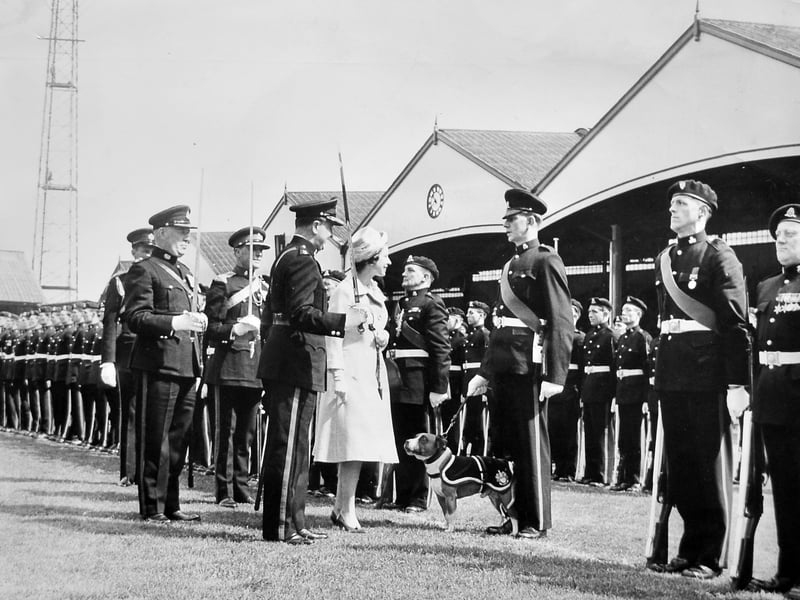
29. A royal inspection and a very special four-legged mascot
Escorted by three regimental colonels bearing drawn swords, Her Majesty Queen Elizabeth II inspects members of the 5/6th Battalion, The North Staffordshire Regiment, on May 24, 1962. The grand military parade took place on the pitch at Molineux, home of Wolverhampton Wanderers. Standing proudly alongside the troops on the turf was the unit's official mascot—a tan and white Staffordshire bull terrier named Watchman II, who received a special glance from the monarch during her walk-past. Were you among the crowds packing out the Molineux stands to catch a glimpse of the Queen and Watchman II in May 1962? | Express & Star archive
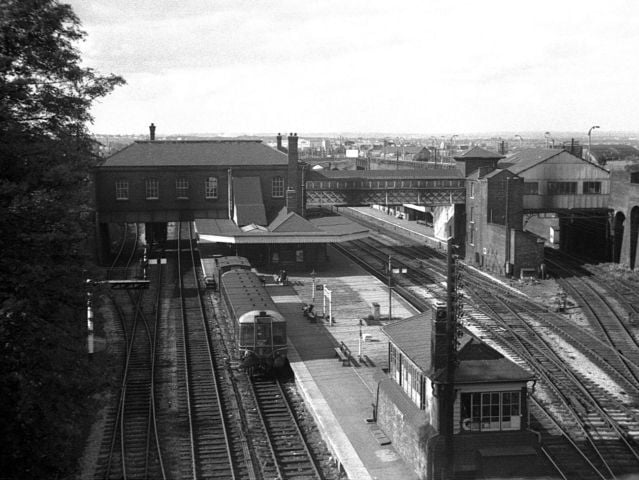
30. A quiet Black Country junction before the end of line
A high-angle view captures the sweeping, quiet layout of Dudley railway station in 1962, showing a lonely diesel train resting alongside the platforms surrounded by empty tracks, signal boxes, and footbridges. Once a vital transport link connecting passengers right across the West Midlands, the historic station saw its passenger services closed just two years later in 1964 as part of the Beeching cuts. Decades on, passionate local campaigners continue to champion calls to bring passenger trains back to Dudley, keeping memories of this major railway junction alive. Do you remember traveling through Dudley station before it closed, or would you like to see passenger rail return to the town? | Express & Star archive
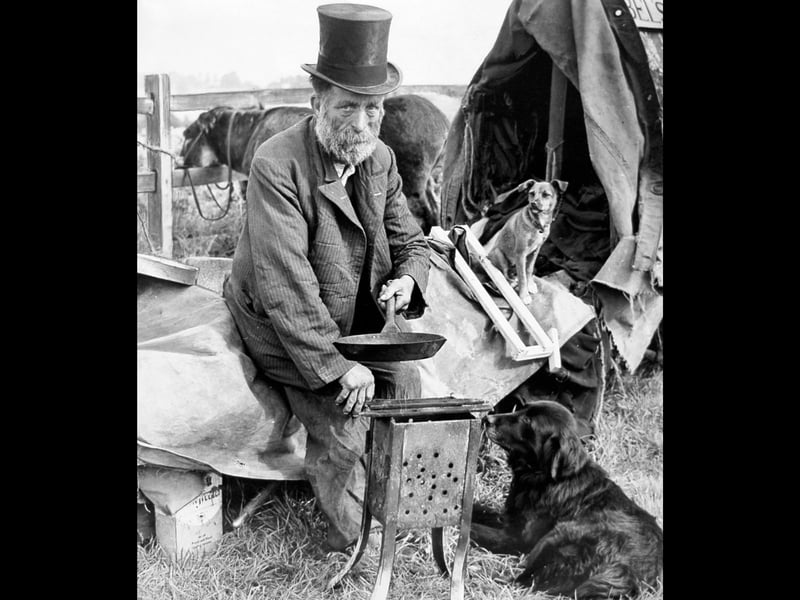
31. Breakfast time for "the smallest show on Earth"
Fred Abel, ringmaster and owner of self-proclaimed "smallest show on Earth," cooks up a spot of breakfast near Penkridge in August 1962. Dressed in his iconic top hat, Fred pauses over a small portable stove alongside his loyal animal performers, including his star act, Towser the wonder dog. Long before television and modern entertainment dominated everyday life, itinerant performers like Fred travelled the country, bringing a touch of wonder, magic, and traditional circus charm to small Staffordshire communities. What memories do you have of circuses, fairs, or travelling shows coming to your area back in the 1960s? | Express & Star archive
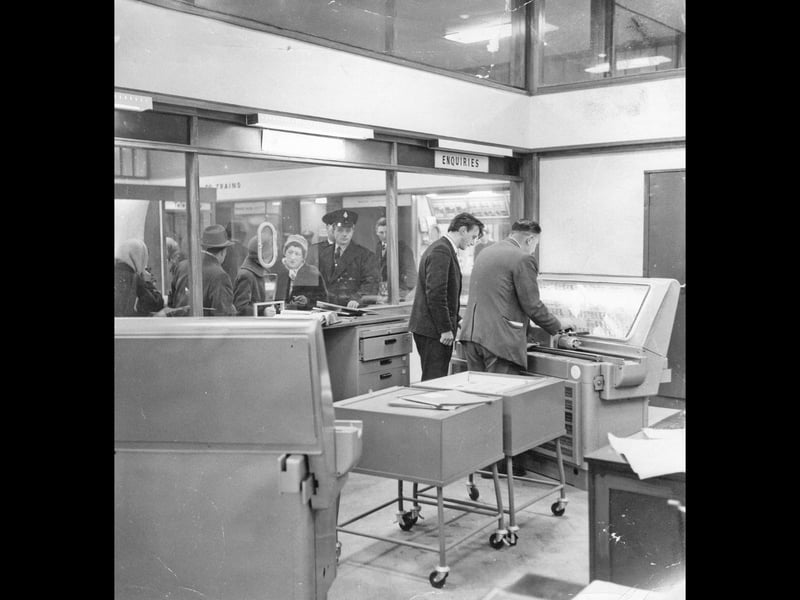
32. Behind the glass during the post-Christmas travel rush
Railway clerks operate mechanical ticket-issuing machinery inside the modernised ticket office at Stafford station on December 28, 1962. Through the glass partition, passengers line up in the main booking hall to make enquiries and secure their fares during the busy getaway period between Christmas and the New Year. Following a major rebuilding project in the early 1960s as part of the West Coast Main Line electrification, the station offered travellers a sleek, contemporary space complete with state-of-the-art booking technology. Do you remember queueing up for paper tickets at Stafford station back in the 1960s? | Express & Star archive