
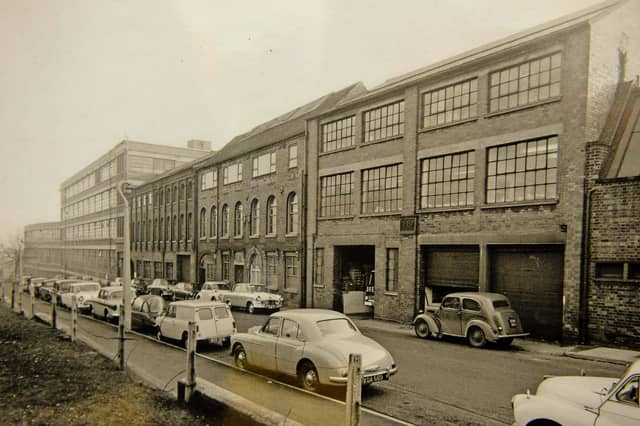

Step back to 1962 and discover a fascinating snapshot of Wolverhampton, Staffordshire and the Black Country at a time of change, confidence and industrial strength. These photographs capture the people, places and moments that shaped the region more than 60 years ago.
From the roaring furnaces of Bilston Steelworks and busy press lines in Willenhall to the opening of new schools, factories and industrial centres, the pictures reveal a region at the heart of Britain's manufacturing might. But alongside the industry are the stories of everyday life that made these communities unique.
You'll find Wolverhampton's Caribbean community celebrating Jamaican Independence at Wulfrun Hall, the centuries-old tradition of the Abbots Bromley Horn Dance, community gatherings, familiar faces and moments that capture the character of the region in 1962.
Whether these scenes bring back memories or offer a glimpse into a bygone age, this gallery is a celebration of the people, traditions and industries that helped shape Wolverhampton, Staffordshire and the Black Country. If these photographs spark a memory, we'd love to hear your stories in the comments.
- Explore these 59 nostalgic pictures capturing the workplaces and industries that shaped the Black Country and Staffordshire in the 1980s.
- You can enjoy this and more with our weekly FREE Nostalgia Newsletter - with scores of archive pictures and exclusive features on the history of Wolverhampton, Staffordshire and the Black Country - all sent to your inbox every week. Sign up here.
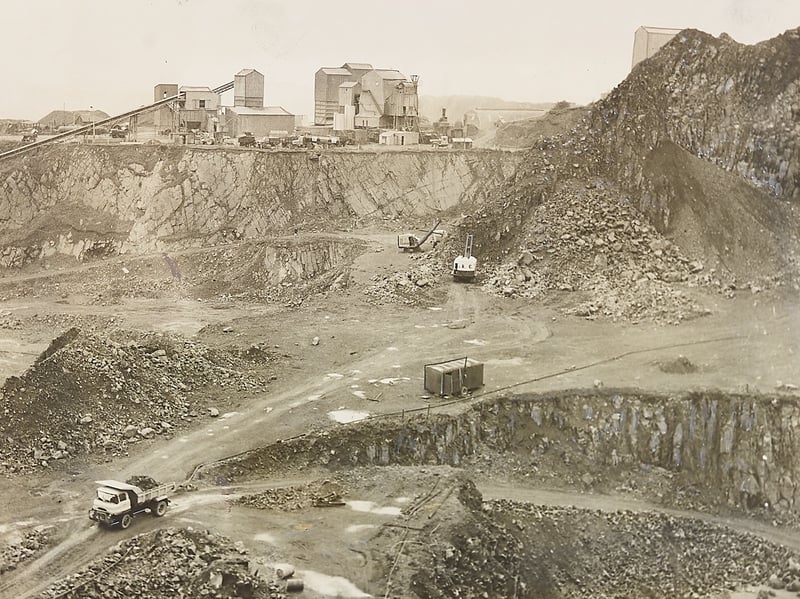
45. Carving away the Black Country’s famous Rowley Rag
Heavy machinery and tipping lorries navigate the vast, rugged terracing inside Hailstone Quarry at Rowley Hills in October 1962. Quarrying in this area slowly reshaped the local landscape over generations, extracting the prized dolerite rock locally known as 'Rowley Rag.' Celebrated for its extreme durability, this hard dark stone was crushed and used extensively for road making and paving across Britain, keeping the men and machines at Hailstone Quarry working flat out throughout the post-war building boom. Did you or your family live near the Rowley Hills or remember the rumble of trucks from the local quarries back in the 1960s? | Express & Star archive
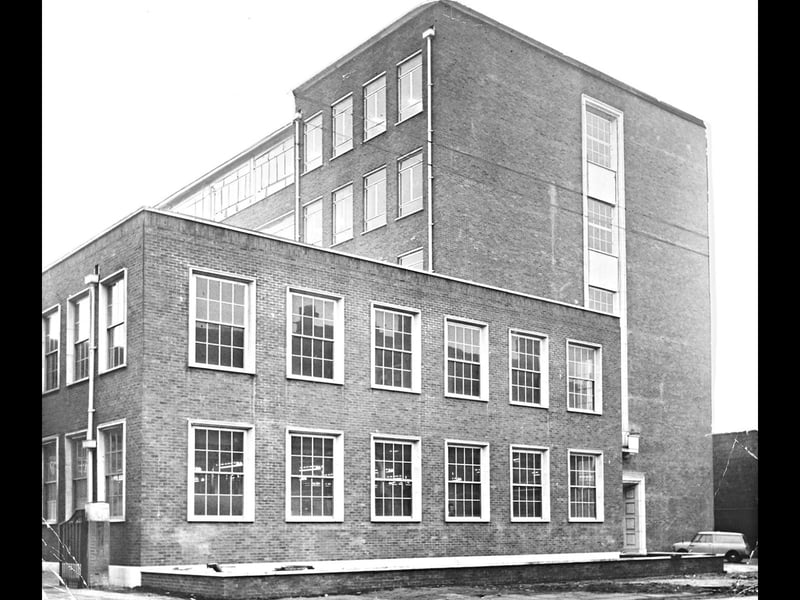
46. Expanding horizons for local trade and technology
Captured in December 1962, the impressive new facilities for the Building and Civil Engineering department stand ready at the Wolverhampton and Staffordshire College of Technology. Rising behind a modern two-storey block housing specialised workshops, the main five-storey building marked the completion of the fifth major phase in the college's post-war redevelopment scheme. The modern expansion provided cutting-edge lecture rooms and practical labs to train the next generation of engineers, builders, and technicians across the region. Did you study trade skills or attend classes at the College of Technology back in the 1960s? | Express & Star archive
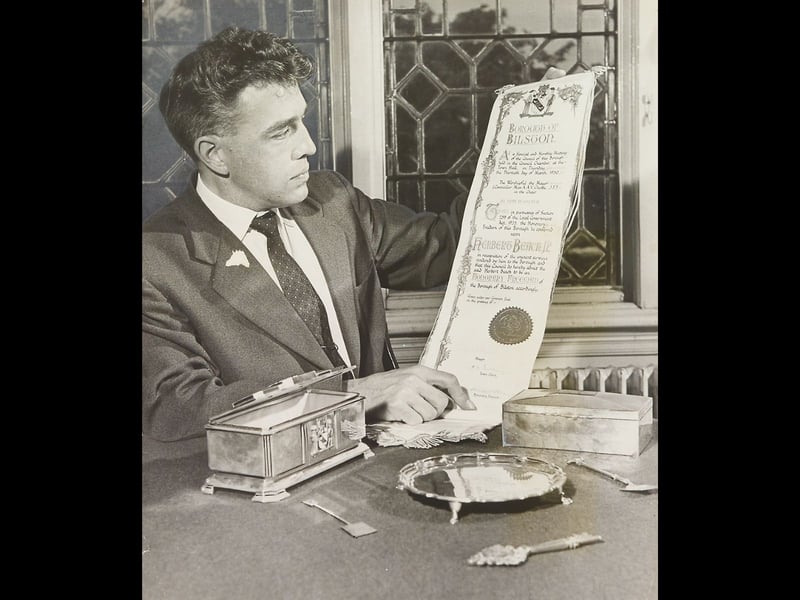
47. A treasured legacy of civic gifts given to Bilston Museum
Borough Librarian Mr L E Taylor carefully examines an illuminated scroll in September 1962, part of a remarkable collection of civic gifts donated to Bilston Borough Museum by the family of the late Alderman Herbert Beach. The treasures include an ornate silver casket housing the scroll that awarded Alderman Beach the Freedom of the Borough in 1950, making him the first person to receive the honour. Alongside a silver salver presented to him as Charter Mayor in 1933, these historic pieces offer a fascinating window into Bilston’s rich municipal history. Do you remember seeing the civic gifts or visiting Bilston Museum when the collection first went on display in the 1960s? | Express & Star archive
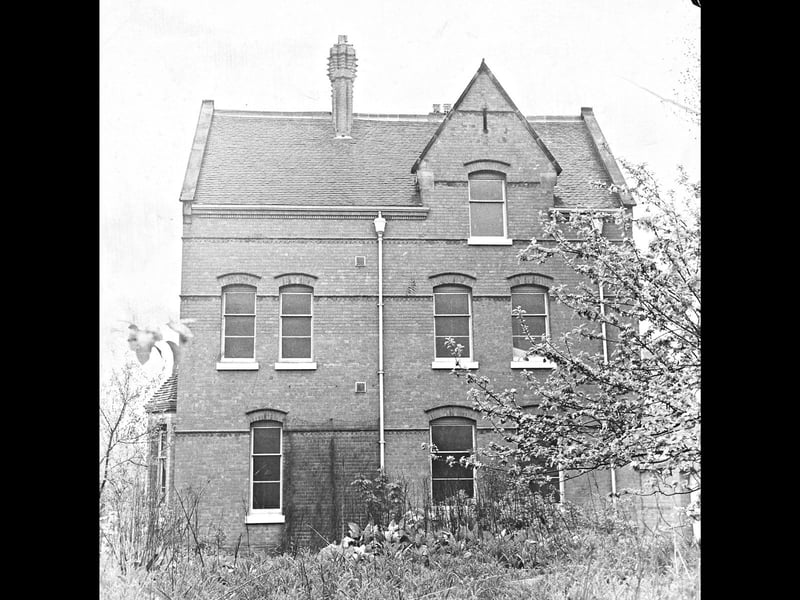
48. A nineteen-room mansion standing quiet in St Jude's Road
Pictured in May 1962, this imposing, Victorian red-brick house at 17 St. Jude's-road in Wolverhampton presented a stark illustration of local post-war housing struggles. Despite the property's grand facade, steep gables, and nineteen rooms inside, the rambling structure was largely empty, serving as home to the Henry family who were living together in just a single room. The contrast between grand 19th-century architecture and the harsh realities of mid-century urban living sparked widespread community discussion across the Black Country. Do you remember seeing some of Wolverhampton's old grand mansions before they were converted or redeveloped in the 1960s? | Express & Star archive