
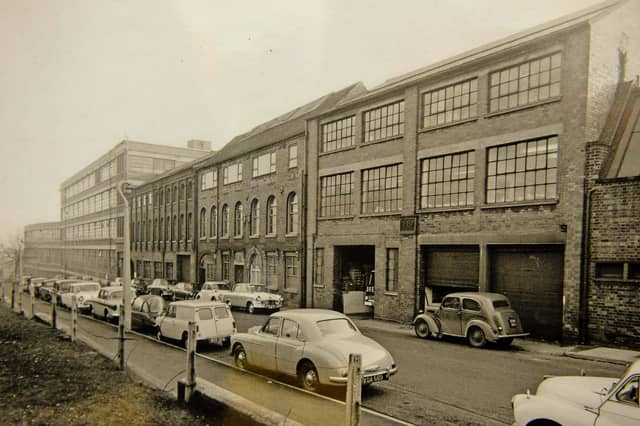

Step back to 1962 and discover a fascinating snapshot of Wolverhampton, Staffordshire and the Black Country at a time of change, confidence and industrial strength. These photographs capture the people, places and moments that shaped the region more than 60 years ago.
From the roaring furnaces of Bilston Steelworks and busy press lines in Willenhall to the opening of new schools, factories and industrial centres, the pictures reveal a region at the heart of Britain's manufacturing might. But alongside the industry are the stories of everyday life that made these communities unique.
You'll find Wolverhampton's Caribbean community celebrating Jamaican Independence at Wulfrun Hall, the centuries-old tradition of the Abbots Bromley Horn Dance, community gatherings, familiar faces and moments that capture the character of the region in 1962.
Whether these scenes bring back memories or offer a glimpse into a bygone age, this gallery is a celebration of the people, traditions and industries that helped shape Wolverhampton, Staffordshire and the Black Country. If these photographs spark a memory, we'd love to hear your stories in the comments.
- Explore these 59 nostalgic pictures capturing the workplaces and industries that shaped the Black Country and Staffordshire in the 1980s.
- You can enjoy this and more with our weekly FREE Nostalgia Newsletter - with scores of archive pictures and exclusive features on the history of Wolverhampton, Staffordshire and the Black Country - all sent to your inbox every week. Sign up here.
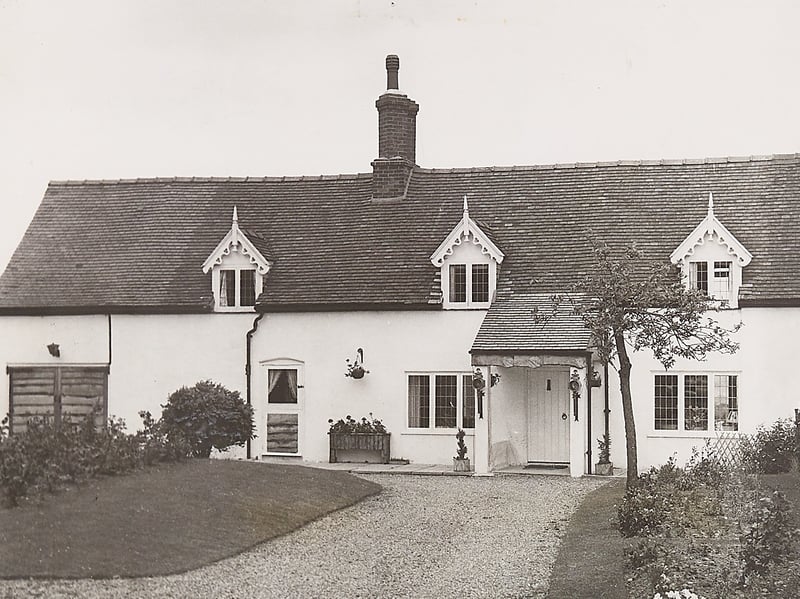
41. Preserving historic charm on the edge of the Chase
A picturesque view captures Keeper's Cottage on Cannock Chase in July 1962, following a thoughtful restoration project. Originally built as a pair of separate dwellings for the Marquis of Anglesey’s estate gamekeepers, the two properties were carefully converted into a single, eye-catching family home. Great care was taken during the renovation to preserve their traditional architectural features - including the ornate wooden gables and classic lattice windows - maintaining a charming link to the Chase's rich ducal history. Do you remember seeing this idyllic cottage or exploring the surrounding trails of Cannock Chase in the 1960s? | Express & Star archive
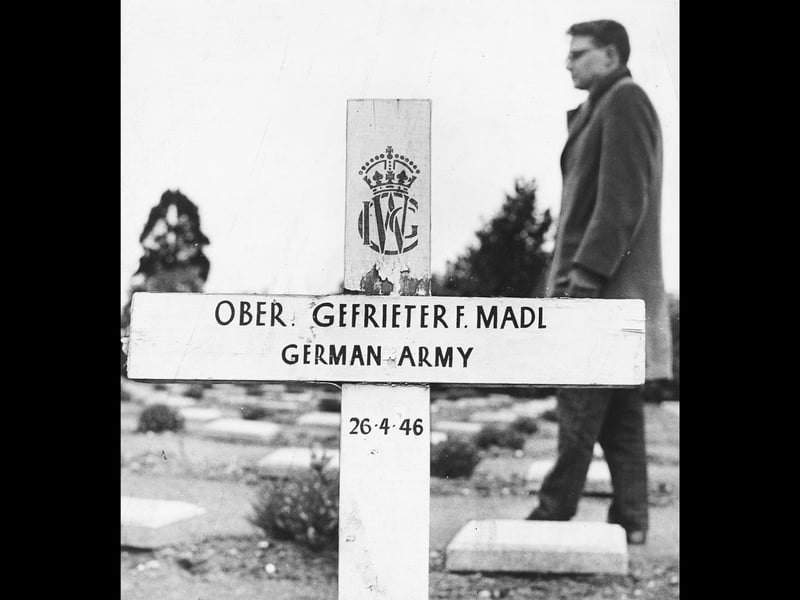
42. A solemn inspection and a subtle correction at Cannock Chase
A West German official stands thoughtfully beside a wooden marker cross in the military cemetery on Cannock Chase in March 1962. Ahead of plans to establish a central German War Cemetery at Broadhurst Green, bringing together the remains of thousands of German servicemen buried across the UK, inspectors noted slight spelling errors made by English memorial painters, such as Gefrieter instead of Gefreiter. Politeness prevailed during the official visit, with the gentle corrections quietly scheduled for rectification as the site was developed into a lasting place of pilgrimage and remembrance. Do you remember visiting the Cannock Chase German Military Cemetery when it was first established in the 1960s? | Express & Star archive
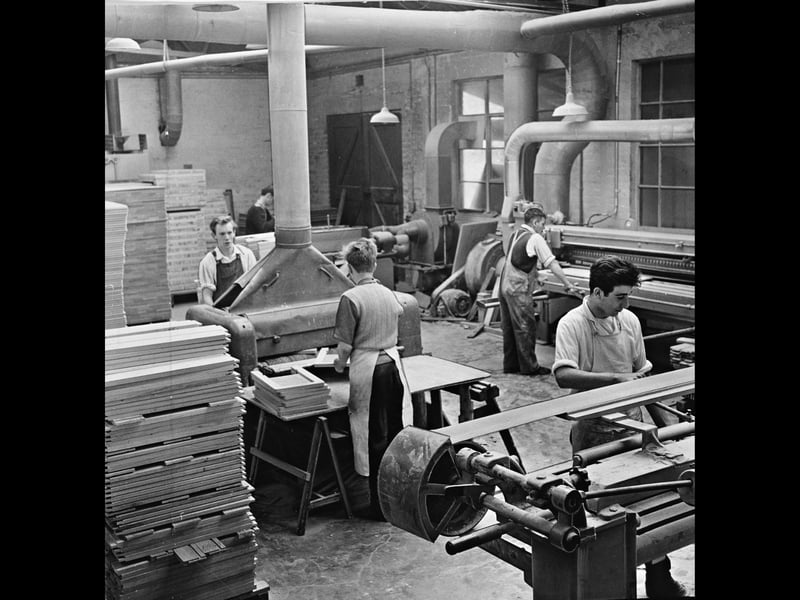
43. Crafting smooth finishes for mid-century offices in Tipton
Woodworkers operate heavy sanding machinery inside the bustling workshop of the Burndale Office Furniture Company Ltd. in Tividale, Tipton, in August 1962. Surrounding themselves with neat stacks of timber, the skilled craftsmen ensure each wooden component receives a smooth, precise finish before moving on to final assembly. As demand grew for modern commercial furnishings during the 1960s, local manufacturing firms like Burndale kept the Black Country at the forefront of quality British woodworking. Did you or anyone in your family work in the woodworking or furniture trade around Tipton in the 1960s? | Express & Star archive
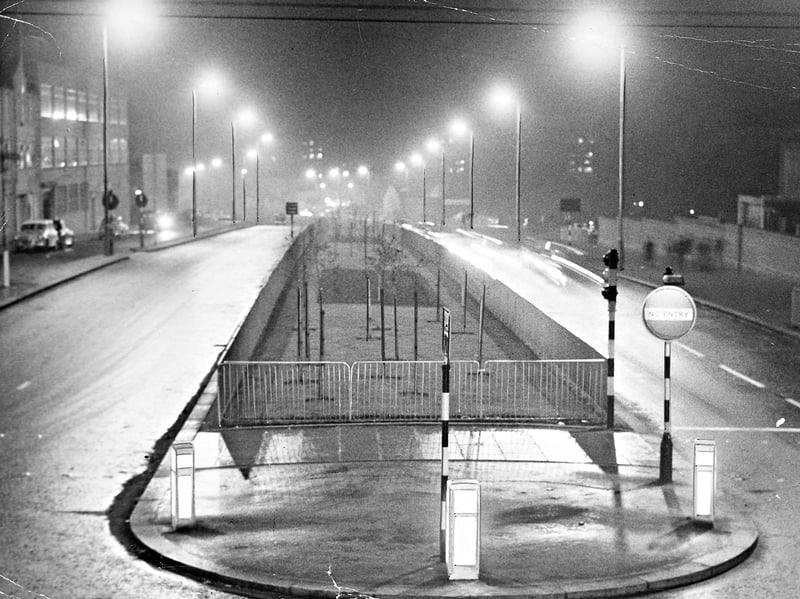
44. Lighting the way on Wolverhampton’s new inner ring road
Glowing street lamps illuminate a newly completed stretch of Wolverhampton’s inner ring road on a misty night in November 1962. Taken to showcase the modern sodium street lighting installed along the dual carriageway, the photograph highlights the rapid post-war redevelopment reshaping the town centre. With its planted central reservation, fresh asphalt, and bright overhead lanterns, this section formed an early milestone in the major infrastructure project designed to bypass urban congestion and modernise Black Country motoring. Do you remember driving or walking along the new ring road when it first opened in the early 1960s? | Express & Star archive