
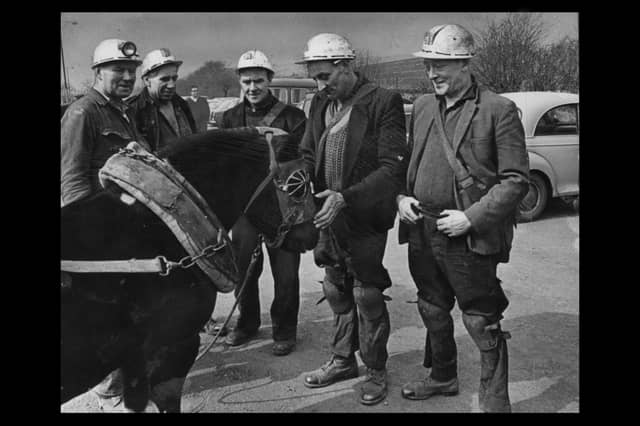

They can reclaim the landscape, but they can’t remove the memories.
For generations boys and men went underground to bring out the coal under Cannock area. Now, all finished, all gone. Mining wasn’t just a job, a dirty, hazardous job at that. It was a community, a mesh between people and families, creating bonds and understandings. Mining towns were proud towns. Pit mounds and pit heads were beacons in the landscape of a way of life which spanned the ages.
The closure of Littleton Colliery in 1993 brought down the final curtain in the Cannock district. But we can still remember this aspect of the area’s heritage with a selection of pictures from our archives. Of course, they only scratch the surface of the local mining tradition, but they do help us celebrate and honour a proud, disappeared industry, and those who devoted their lives - and in some cases gave their lives - to it.
- Take a trip back to Wolverhampton in 1969 with 61 nostalgic pictures sure to bring back memories - view them here.
- You can enjoy this and more with our weekly FREE Nostalgia Newsletter - with scores of archive pictures and exclusive features on the history of Wolverhampton, Staffordshire and the Black Country - all sent to your inbox every week. Sign up here.
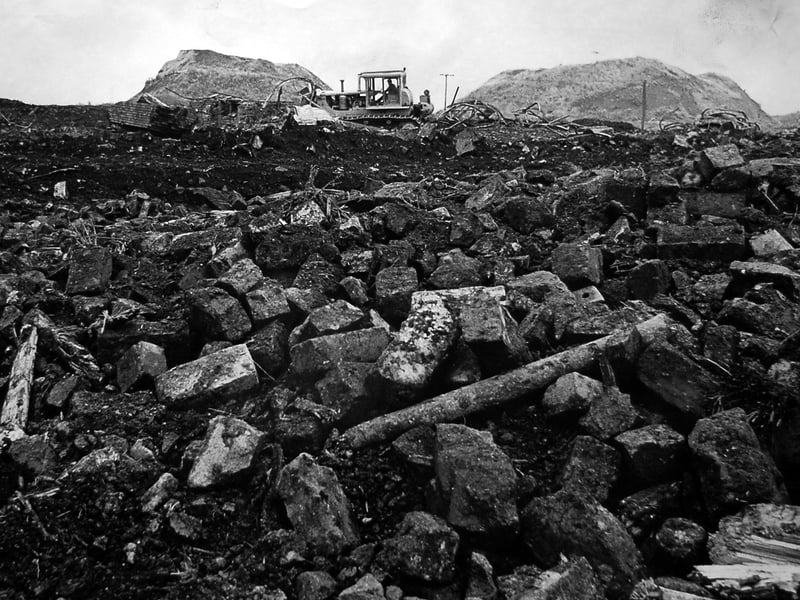
17. Bulldozed from history
Flashback to August 1968. The original caption was: "After surviving its closure by 19 years, the Conduit Colliery at Norton Canes, Cannock, is finally being ground into history. Solid remains of the buildings are being attacked by bulldozer in a £14,000 clearance operation. About 42 acres will be levelled ready to be used by Cannock Urban Council for industry, housing, and open space. Conduit closed in 1949 after a century of chequered existence including work layoffs through flooding." | Express & Star archive
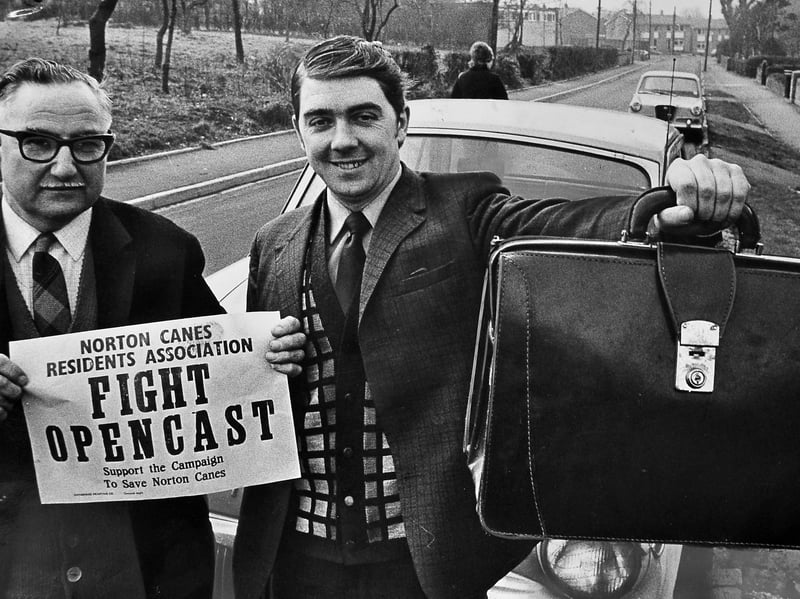
18. No mining here thank you
Roger Knowles (right) went to London in March 1971 as part of the latest protest move by Norton Canes residents against a proposed opencast mining site near the village. With him he took a petition of 500 names and 200 personal letters of objection, which he presented to the Secretary of State for Trade and Industry. The proposed Kingswood site covered 547 acres and National Coal Board estimations showed that the whole operation, including relandscaping, would take about 11 years. The man on the left is Alfred Sutton of the action committee. | Express & Star archive
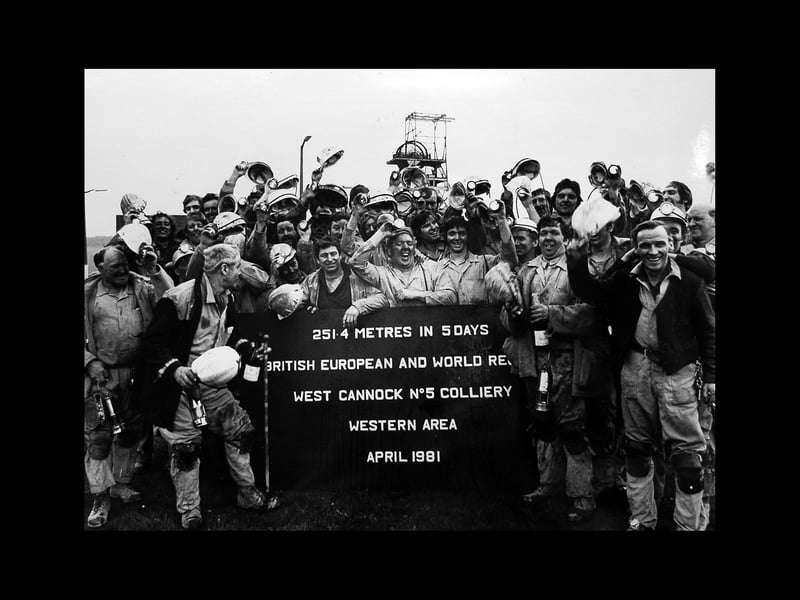
19. Champion tunnellers
We are the champions, shouted the miners at Hednesford West Cannock Five Colliery in April 1981. They had just established a world tunnelling record by driving an underground roadway 229.8 yards in five days - that's what the story at the time said, although the board actually gives 251.4 metres, which is significantly further. Four seven-men teams worked round the clock to smash the previous record of 224 yards. | Express & Star archive
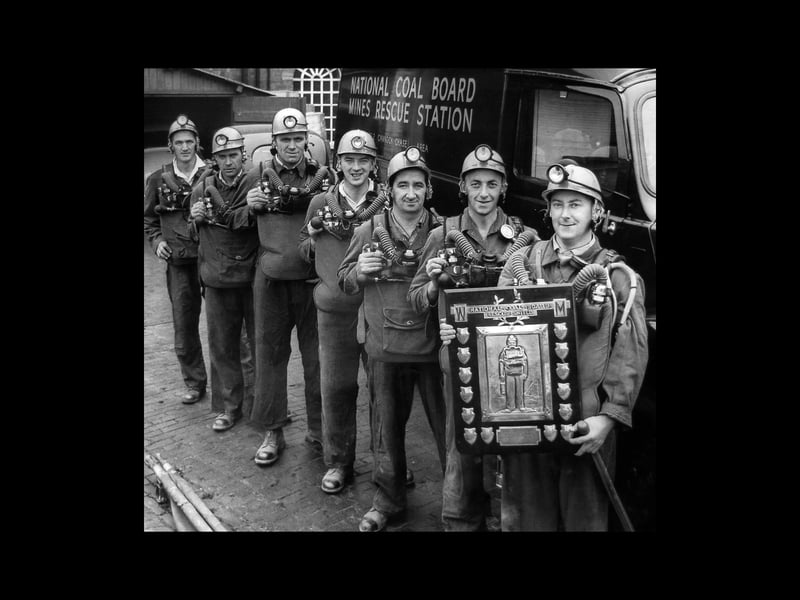
20. Meet the winners
Cannock Wood Colliery rescue team, who were the winners of the National Coal Board mines rescue shield at Madeley in 1964. Pictured at the Miners Rescue Station, Hednesford, they are, from left, M D Wood, J Magulski, F Mighalls, J M Douglas, J Hogarth, G Oldacre and, holding the trophy, the captain, A R Yearsley. | Express & Star archive