
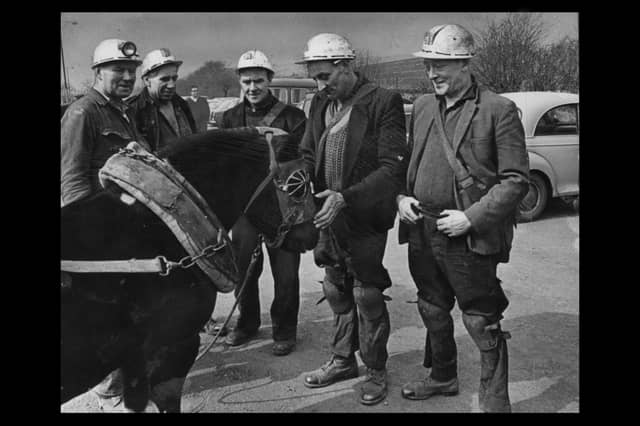

They can reclaim the landscape, but they can’t remove the memories.
For generations boys and men went underground to bring out the coal under Cannock area. Now, all finished, all gone. Mining wasn’t just a job, a dirty, hazardous job at that. It was a community, a mesh between people and families, creating bonds and understandings. Mining towns were proud towns. Pit mounds and pit heads were beacons in the landscape of a way of life which spanned the ages.
The closure of Littleton Colliery in 1993 brought down the final curtain in the Cannock district. But we can still remember this aspect of the area’s heritage with a selection of pictures from our archives. Of course, they only scratch the surface of the local mining tradition, but they do help us celebrate and honour a proud, disappeared industry, and those who devoted their lives - and in some cases gave their lives - to it.
- Take a trip back to Wolverhampton in 1969 with 61 nostalgic pictures sure to bring back memories - view them here.
- You can enjoy this and more with our weekly FREE Nostalgia Newsletter - with scores of archive pictures and exclusive features on the history of Wolverhampton, Staffordshire and the Black Country - all sent to your inbox every week. Sign up here.
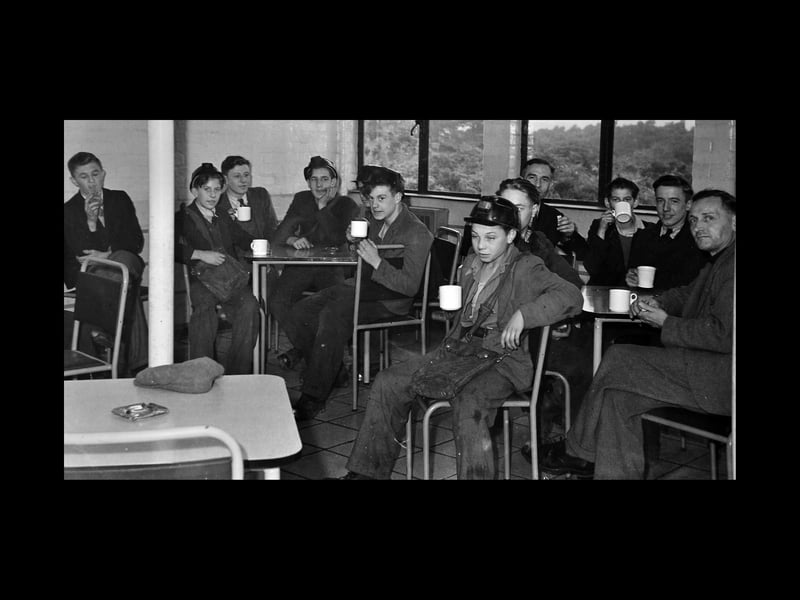
13. Drinking at work
A 1951 view of the canteen at Valley Pit at Hednesford. "The entrants have use of a modern canteen which is divided into two sections - one for the men who have just finished a shift, and the other for trainees who have bathed and changed into civilian clothes." | Express & Star archive
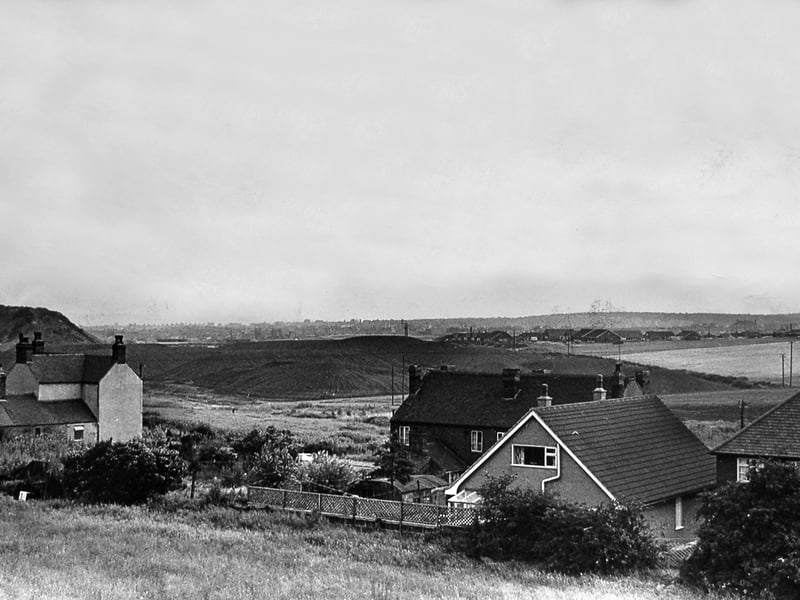
14. Showing your smalls
"No Cannock Chase people I know want to look out on to a coal mound - even if it is made up of 'washed smalls'," began the story used with this picture in August 1968. "Yet it seems this summer the National Coal Board's stocking mounds have developed bulging waistlines, especially those at Green Heath, Hednesford, where on the site of the old West Cannock No. 1 pit, up to 6,000 tons of washed smalls - NCB jargon for tiny lumps - are being stocked every week. Green Heath families have watched the growth uneasily. Mr Brian Heathcote, for instance, complained that the grey hills in his landscape view were turning into 'mountains.' The 'smalls', trundled two miles up to Green Heath from Littleton Colliery at Huntington, are destined for use in power stations and other big industries. Storing in the open, says the NCB, is done simply because of the vast spaces that would be needed underground." | Express & Star archive
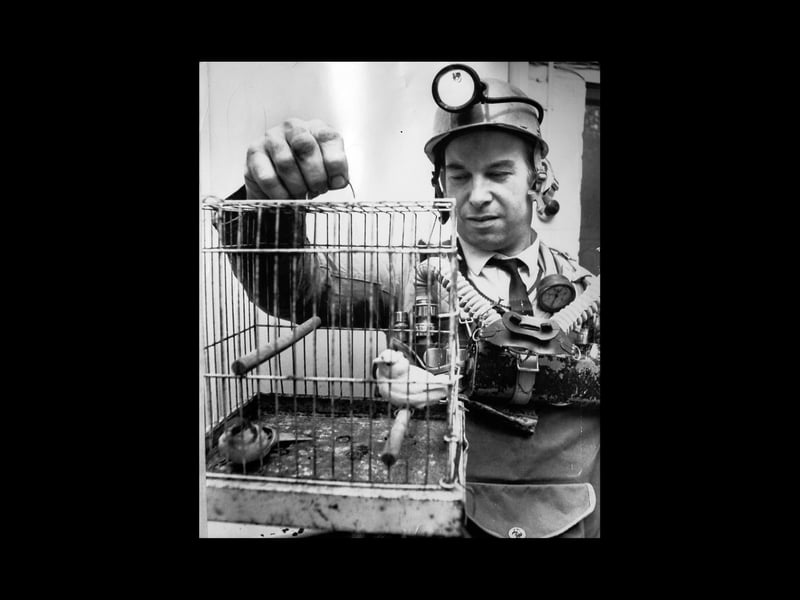
15. Chirpy lifesavers
These two little mine workers in January 1972 were potential lifesavers. For the canaries were still used to warn of carbon monoxide gas and were kept in pairs at each pit head. There were also 15 in the aviary at Hednesford Mines rescue station on Cannock Chase. Here, instructor Raymond Wall is pictured in breathing apparatus, checking on two of his safety team colleagues in their handling cage. | Shropshire Star
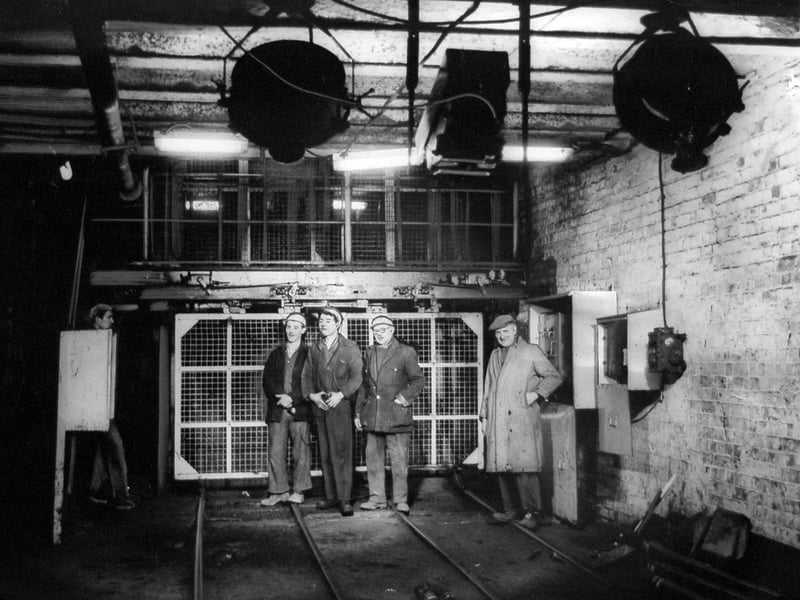
16. Smile, you're on telly
Littleton Colliery, Huntington, was the first pit in Britain to have a closed circuit TV camera and screen underground. The installation was at the bottom of one of the shafts to help the onsetter, the man in charge of cages at the pit bottom, to load them with mine cars. As seen in this February 1964 picture, the camera was fixed at the onsetter's blind spot, and illumination was provided by two 1,000 watt floodlights. | Express & Star archive