Peter Rhodes: Who's making money from the war?
PETER RHODES on a message from 1914, the names of storms and the dangers of shooting to kill
A FRIEND is in the process of buying a house which, according to the estate agent's brochure, is "served by a sceptic tank." I doubt that very much.
THERE is, if we believe everything we read, a storm of protest about Cadbury's latest decision to use raisins as well as sultanas in its Fruit and Nut bars. Or it could be the other way around and we are supposed to be outraged at sultanas masquerading as raisins in this iconic British treat. The point is that I doubt if one person in 100 can tell a raisin from a sultana once they have been enrobed in chocolate (the fruit, that is, not the person). This story tastes overwhelmingly of PR.
SOMETHING stinks in the latest war on terror. We have now reached the state where Britain, France, Russia and the United States, four mighty nuclear-armed superpowers, are at war with a rag-bag assortment of mad mullahs and brainless suicide bombers. By now, the Islamic State capital, Raqqa, should be a smouldering shell, like Berlin in 1945, its warriors buried under the ashes or scattered to the winds. Instead, this war has every indication of dragging on for months or years. Can this in any way be connected to the vast amounts of money being made from the conflict?
Every cruise missile costs £1 million, every precision-guided bomb £22,000, every AK-47 rifle £350. Every refugee is worth about £2,000 to the smugglers. IS is reckoned to be selling about £30 million worth of oil each month. Somebody is buying that oil, just as someone is banking IS's money and buying the priceless antiquities looted by IS troops. This war is creating its share of millionaires and there must be many people with a vested interest in keeping it going.
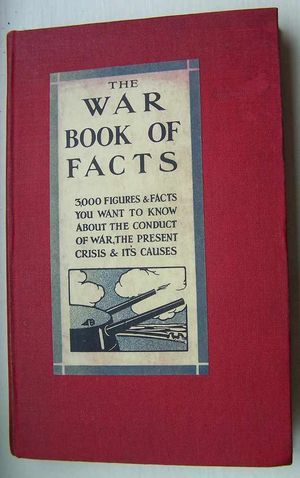
IF the above strikes you as wickedly cynical, I can only refer you to my yellowing copy of The War Book of Facts, published in 1914 as the First World War began. Chapter 16 is: "Stimulating Effect of War on Britain's Foreign Trade" and begins: "Business as usual – that is the motto of the commercial community during the present crisis." One hundred and one years have passed but how much has really changed?
MEANWHILE, why do politicians refer to a "shoot to kill" policy with regard to armed terrorists? Every British soldier and police officer is taught to shoot to kill, not to wound. The British Army's official shooting manual once issued to every squaddie was titled "Shoot to Kill." What politicians mean in the current debate is a shoot-on-sight policy. This would empower police or soldiers to kill anyone who was, for example, carrying an assault rifle without going through the usual procedure of shouting a warning.
JEREMY Corbyn says he is against such a policy. I would advise cops and soldiers to be very wary of it, too. The lesson of history is that, if the political wind changes, the authorities that sent you into the firing line will denounce and prosecute you later. Today, you are applauded for taking out a suspected terrorist. Tomorrow, you are in court for infringing his human rights.
WHEN it was announced that British storms would soon be getting their own names, no-one told us to brace ourselves for American names. Having been battered by Barney, can we look forward to Chuck, Dwight, Ellie-May, Frankie, Geraldo and Homer?