South Africa gets Nelson Mandela, we get Ed Balls
Daily blogger Peter Rhodes on statesmanship, mercy and pretending to be Irish.
AMID the saturation coverage from South Africa, spare a thought for the genuinely saturated people hit by the tidal floods. There is no more squalid and upsetting fate than to be flooded out in December, shunted off to temporary accommodation and spending Christmas worrying about your sodden home with the floors ruined, the electrics wrecked, and the insurance company making threatening noises. The worst part, judging by the earlier experience of those poor folk in Tewkesbury, Cumbria, Boscastle and dozens of other flood-stricken places, is that it can take months or even years to get straight again. Britain's response to Typhoon Haiyan in the Philippines was an inspiration to the world. But how will we cope with our own?
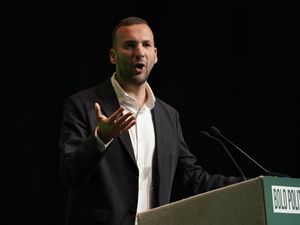
RED-faced, petulant and raging like a schoolboy in a playground fight, shadow chancellor Ed Balls denounced the Chancellor's Autumn Statement as Tory MPs brayed like mules. A few hours later, Nelson Mandela passed from this life into legend. Two incidents on the same day perfectly illustrate the difference between a politician and a statesman.
MUCH has been said about Mandela's greatness of spirit and his generosity to his enemies. Remember that for all its wickedness the South African legal system, confronted with an unrepentant guerilla, had the magnanimity to jail Mandela instead of hanging him. Sometimes mercy breeds mercy.
NEVER let the facts get in the way of your scoop. I was surprised to hear a BBC newsreader, referring to the case of three women held at a house in London, claiming that police had described it as "modern-day slavery." In fact, as the Beeb itself reported only a few days earlier, police actually say this fascinating and developing case is unique and "is not like previous human trafficking and slavery cases encountered in London."
I WAS dragged into the florist's in the hunt for Christmas decorations and found some items which looked very cleverly made. It seemed someone had taken some sort of grass, opened the seed head and stuffed it with cotton wool. It looked like snowballs on a stick. It was actually no such thing. It turned out to be the cotton plant and I cannot believe that in all my years I had never seen or handled raw cotton. It was like touching history. Here is the crop that made the Deep South rich and filled England with satanic mills. This soft, lovely stuff turned millions of Africans into slaves and Lancashire folk into wage slaves. As white as snow and yet a stain on humanity. If you're going to have Christmas decorations, you may as well have thoughtful ones.
MEANWHILE, back at the ukulele class, 40 of us, all approximately tuned to the key of C or thereabouts, were about to crash merrily through a medley of Xmas tunes when a newcomer entered the room and introduced himself. "I'm a musician," he said brightly. "A musician?" replied our tutor. "You'll be in tears in 10 minutes."
BARELY half a verse into Whiskey in the Jar, our ukulele leader called for silence and told us off for not sounding sufficiently Irish. Folk music must be one of the few activities these days where racial stereotyping is actively encouraged. Middle-class boys from the Home Counties who have never seen the Mersey sing mournfully about the Leaving of Liverpool in deepest Scouse. Soul singers who have never been west of Barmouth belt out the blues as if to Memphis born. I suppose you have to make the effort. I recall, many years ago, a concert where a choir of posh young gals from Cheltenham Ladies College performed a medley of spirituals, trilling in the crisp, cut-class accents of the English upper crust: "Oh, de Gospel train am a-coming." Most odd.