Peter Rhodes: Battery humans are happy humans
Daily columnist Peter Rhodes looks at where to hide items when you're banged up and the happiness of chickens in his sideways look at the news.
AND still in Gallic mood (okay, Poirot is technically Belgian), off to the French market which set up its stalls in town in yet another brave attempt to make us Brits part with £3.20 for a slice of almond tart or £4 for a two- euro sausage as black as Black Beauty, and quite possibly as horsey. I always approach these markets with a head full of useful French phrases, eager to exercise the withering remnants of the stuff I learned all those years ago: "How jolly the weather, is it not so? See – I have a sack for your meaty objects. Five pounds for a tarte of the potatoes - sacred blue! "And so on. Come the moment, however, cowardice triumphs. I mumble: "Baguette". The French lady says: "Have a nice day," and that's it. Cordiale but not exactly an entente.
"LARGE families mean poverty, unreliable poverty, poverty that closes down your chances of improving your lot." Wise words from Big Issue founder John Bird in the current issue.
THERE is not much new in the research at the University of Bristol suggesting that caged chickens may be happier than free-range ones. The same results were found more than 20 years ago when stress levels in battery hens were discovered to be lower than among birds left to roam free. It is hardly surprising. The problem is that humans approach such issues as though animals are little humans. Because we love liberty, we assume that chickens cherish it, too. Turn them out to run and scratch under the blue sky, goes the theory, and they'll be chuffed to bits. The snag is that chickens are chickens, heirs to millions of years of panic about predators on the ground and in the air. If you've ever kept chickens and watched them freeze in terror as a hawk (or an airliner) goes over, you'll understand. Most animals want nothing more than shelter and security. And so, if we're honest, do we humans. We may talk bravely about the joys of the great outdoors but give us the chance and we'll be curled up in a tiny warm corner of the sofa, pecking at snacks and watching the telly. Battery humans are happy humans.
IT WAS a Friday night, Scouts night. I was 12 and got home from the troop meeting at about 9pm. My mother was in the kitchen, in tears. I had never seen her weeping before. Fifty years on, we all remember where we were on November 22, 1963.
A SCUMBAG burglar who accidentally made off with a casket containing the ashes of a much-loved grandfather in Burnley has written a remorseful letter to the distraught family, saying he deserves to be beaten when he is released from prison. The good folk of Burnley are a friendly, obliging bunch. I dare say they are already forming a queue.
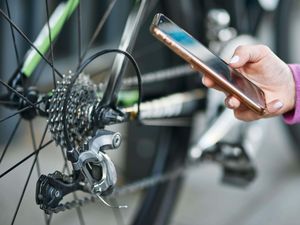
THE power of nature. I have a friend, a brilliant engineer and inventor, who stands in awe of a single blade of grass. How, he asks, do you make something so fragile, yet give it the power to drive its way through three inches of asphalt? I thought of him a few days ago as the fitter plucked a needle-sharp spike from my almost-new, steel-reinforced and thoroughly deflated front tyre. "Blackthorn," he announced. "That'll do it every time."
SO bang goes a fistful of fivers for a new tyre. Got home to find that rarest of things, a win on the premium bonds. In a perfect world the tyre would have cost £25 and my win would have been £75. Sadly, this is the real world and it was the other way around.