
'I'll transform buses like they have done in Manchester', says West Midlands Mayor Richard Parker
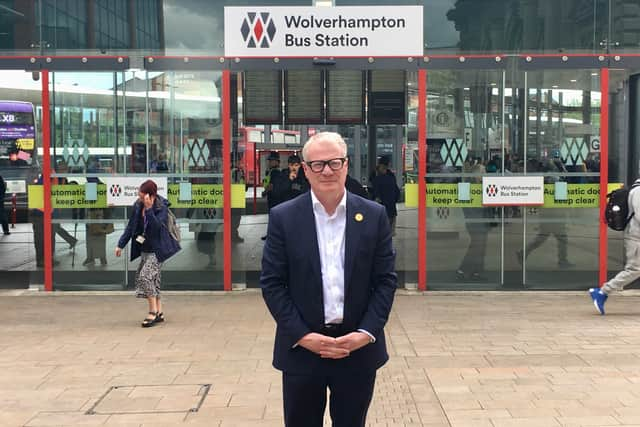
Richard Parker, elected as the new regional mayor for the West Midlands two months ago, said improving the region’s bus service was the greatest difference he could make to the lives of people in the region.


His £22 million plan for private bus companies to operate under a rail-style franchise system has moved a step closer after leaders of the West Midlands Combined Authority approved an initial report.
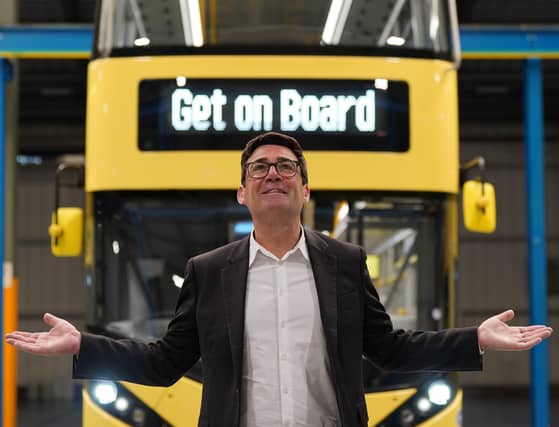
The scheme will be similar to the familiar yellow 'Bee Network' buses launched in Greater Manchester last year by mayor Andy Burnham.
The Manchester scheme cost £135 million, sparking claims from Conservatives that it could cost a similar amount to implement in the West Midlands.
But a report presented to the combined authority board on Friday said the scheme could be delivered for £22 million.
Mr Parker said money for the scheme would come from existing budgets, and there would be no additional burden to the taxpayer.
He said once the franchise system was up and running, it would be self-funding, and any surpluses would be reinvested into the network or used to keep fares down.
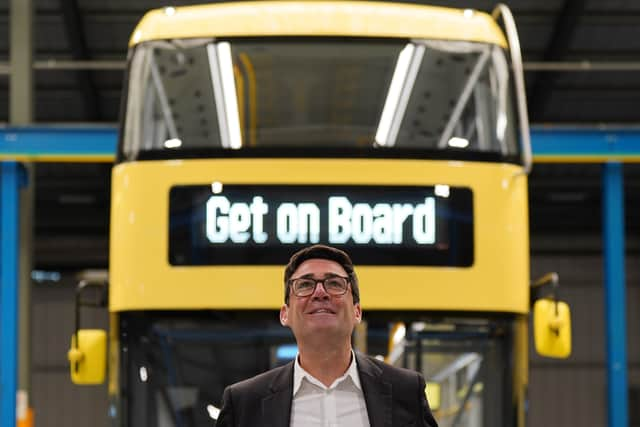
Mr Parker said the new network, which would see buses rebranded under a new corporate livery, could be in operation by March, 2027.
If adopted, the scheme will see private bus companies continuing to operate services, but under fixed contracts laid down by the combined authority which would set the fares and timetables.
At the moment the companies themselves are free to make decisions about routes, fares and timetables, with the combined authority subsidising the routes which would otherwise be unprofitable. Mr Parker said the West Midlands Combined Authority had subsidised bus services to the tune of £75 million over the past 18 months.
Mr Parker said that without this subsidy passengers would have either faced inflation-busting fare increases or dramatic cuts to services.
“Under the franchise system the bus companies will be set budgets for running the system, and any surpluses will be reinvested back,” he said.
“The problems with the current system are not just about the private sector running it, but they are about the fact that the people of the West Midlands pay in, and public funding contributes to about 50 per cent of operating costs, but we have little or no say about timetables, routes or fares.”
Mr Parker said he was confident private operators would put forward tenders, with a similar scheme operating in
“I have been told it can be done for about £25 million,” he said.
“We simply need that to cover the transition costs – once the network is up and running it will be self-funding, and more than that any surplus will be reinvested back in the network and on keeping fares down.
“It’s the biggest difference I can make to people’s lives here, their everyday lives, is improving the bus system and helping people get to the jobs they need, to get to the shops, and get to the services they require."
Comment Guidelines
Iconic Media encourages reader discussion on our stories. User feedback, insights and back-and-forth exchanges add a rich layer of context to reporting. Please review our Community Guidelines before commenting.