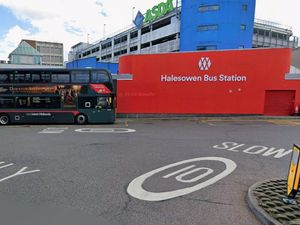
West Midlands Ring and Ride bus services sees drop in usage following reliability issues
Driver shortages and road congestion have resulted in a drop in the use of Ring and Ride across the West Midlands.
Latest figures show, between October and December 2025, there were 54,500 journeys made through the West Midlands Bus On-Demand service – a drop of 2.6 per cent from the same period in the year before when there were 55,970 trips.
A report to the West Midlands Combined Authority’s Transport Delivery Overview and Scrutiny Committee said new operators have been appointed to improve the service.
Last year, Ring and Ride and Coventry’s On Demand services have been brought together under a new operation known as West Midlands Bus On Demand in a bid to make the network simpler and easier to use.
Demand responsive transport in Birmingham, Solihull and Coventry is now run by operator Via.
West Midlands Bus On Demand also introduced a series of upgrades which bosses say are designed to boost efficiency and passenger experience.
These included the introduction of a fleet of smaller, more agile vehicles, allowing wheelchair users to travel together.
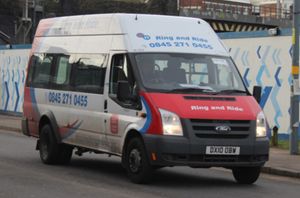
A new contract for the Black Country Ring and Ride service has been awarded to operator HATS.
The report to committee said: “Passenger numbers on the West Midlands Bus On-Demand services have reduced slightly between these periods.
“This is largely due to the reduced performance of the service in the first two months of Q3 2025/26 due to driver shortages and reduced reliability from increased congestion.
“There was minimal impact on passenger satisfaction as the service is pre booked only albeit journey availability will have been lower than desirable.
“From 1st December 2025 two new operators were mobilised to deliver the service.
“There have been some initial teething issues however service availability is now at 100 per cent.
“The new service has included the introduction of new vehicles, new technology and changes to the service operation to improve efficiency and service equity.”