'The sooner, the better' - Campaigners 'disappointed' as second phase of Birmingham traffic scheme hit by setback
Birmingham campaigners have said they are “disappointed” by the second phase of a divisive Kings Heath traffic scheme being hit by a setback.
The Low Traffic Neighbourhood (LTN) scheme in the suburb has previously split opinion, with the use of modal filters, which keep through traffic from certain streets, proving controversial.
The city council has said it wants to cut traffic in residential neighbourhoods in an effort to make it safer for people to walk and cycle in the area.
But it has also acknowledged there are “strong feelings both in favour and against”.
So far, modal filters have been introduced to the west of Kings Heath High Street and a section of York Road has been pedestrianised.
Asked about the scheme’s second phase, the council said today that proposals needed to be “revised” and “further work” was needed.
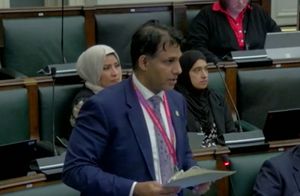
Coun Majid Mahmood, cabinet member for transport, said: “In determining a way forward, the council must take a balanced view weighing up policy considerations, statutory duties, regulatory frameworks and equity.
“As such, further work is needed before we can progress a scheme solution for this area. ”
He continued: “We will provide further updates on this project when a revised proposal is ready to be taken to the council’s cabinet committee.”
Martin Price, chair of Better Streets for Birmingham, urged the council to proceed with the scheme as quickly as possible amid concerns over road safety.
“The Kings Heath and Moseley scheme has always been ambitious and we continue to be disappointed that it has taken six years to get to this point,” he said.
“We await the publishing of cabinet papers to understand the detail of the changes, noting that there appears to be the intention to progress with a scheme.
“This is positive news following the cabinet member’s decision after last year’s traffic regulation order consultation.”
He added: “It is important that we all remember the crux of a low-traffic scheme is to make residential streets safer for everyone by re-routing shortcutting through traffic to main roads designed for it.
“The sooner these street redesigns are achieved, the better.”
Mat MacDonald, a NHS doctor appointed road safety commissioner by West Midlands mayor Richard Parker, previously spoke about the importance of the LTN scheme amid concerns over the level of traffic in the area.
“As the numbers of cars on our roads steadily increases, hundreds of children at the four schools across the area earmarked for changes in these proposals have had to face danger, congestion and pollution on their way to and from their education every day,” he said last year.
Coun Mahmood previously acknowledged the project had “sparked strong opinions” in 2025, saying: “That’s why we’ve held seven rounds of consultation, listened to feedback and crucially made changes to the design.
“The most common comment from members of the public not in support of the scheme was the longer journey times and expected displacement of traffic onto fewer roads.
“However, we want to reduce traffic on parts of the network that are not suitable for carrying large numbers of vehicles, like residential streets.”
“We’ve worked hard to balance concerns with the long-term benefits for all,” he added. "Our city is growing – with this growth comes increased demand for transportation.
“But we cannot meet this demand by reliance on only cars. Our current transport system leaves too many behind – those who can’t drive, those exposed to poor air quality and those at risk on our roads.”