Bus usage on the decrease in the West Midlands - transport chief gives three key reasons as rail journeys increase
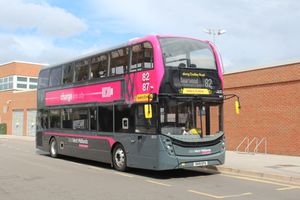
West Midlanders are using local buses less with thousands of less journeys recorded in latest figures as transport chiefs outline three key reasons
The number of people using buses across the West Midlands has fallen with bosses blaming the hike in the national fare cap.
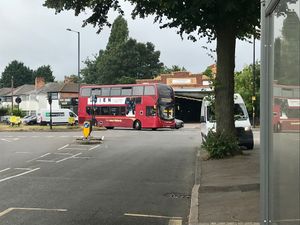
Figures presented to the West Midlands Combined Authority’s Transport Overview and Scrutiny Committee showed the number of bus boarding in July to September 2025 was 57,768,872.
This represents a 2.21 per cent drop from the same period in 2024 where 59,071,487 passengers used buses in the region.
The three key reasons people are using buses less in the West Midlands
Increase in the fare cap to £3
Reduction in the commercial bus network
Increase in journey times due to congestion
Claire Williams, director of network resilience at Transport for West Midlands, said the increase in the fare cap to £3 in January 2025 was believed to be a key factor.
Other reasons for the drop include a reduction in the commercial bus network and increase in journey times as a result of congestion.
Rail and tram use increases in the West Midlands
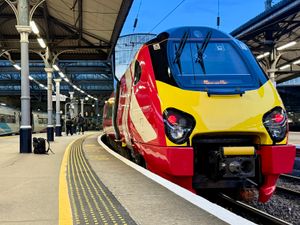
For the same period, there was a growth of 3.26 per cent in rail users with 67,124,932 boarding trains in July to September 2025 compared with 65,003,174 in 2024.
This, however, is below the national average of seven per cent for the same period.
People using the West Midlands Metro also increased with 2,239,690 passengers in the same period compared with 2,077,021 in 2024 – a rise of 7.83 per cent.
Claire Williams said: “Bus patronage has declined between these periods and we think this is due to the change in national bus fare cap which has resulted in an increase in the single fare to £3 from January 2025.
“We are though seeing an increase in passengers using the concessionary scheme as these people are less price sensitive.
“Between these two periods we have also seen a reduction in the overall commercial bus network as a result of operators seeking to reduce the impact of reducing costs and reduced revenue.
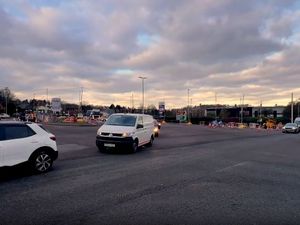
“Across the region, bus journey times are increasing due to the impact of worsening congestion.
“We continue to provide grants to prevent significant and detrimental bus service cuts during the transition to the franchise bus network and the associated terms and conditions for that grant include a commitment to prevent above inflation fare increases.
“We are also in the process of delivering bus corridor capital schemes to improve journey times and other measures to improve customer satisfaction and we will look to use bus reform to tackle this decline in usage.”