Future of West Midlands bike and scooter hire schemes due to be decided
The futures of bike and scooter hire schemes in the West Midlands are set to be decided in the coming weeks.
Transport for West Midlands (TfWM) is expected to extended the two current ‘micromobility’ contracts – which end in October – for six months to enable a new provider for a combined bike and e-scooter hire service to be found.
Bosses also want the new agreement, which would come into effect from April 1 next year, not to rely on public subsidy to keep the schemes going.
The issue is set to be discussed at a Transport Delivery Overview and Scrutiny Committee meeting on Monday (July 28) before a final decision is taken by the West Midlands Combined Authority Board later in the year.
People can access both cycle and e-scooter hire through the same Beryl app.
Serco currently runs the West Midlands Cycle Hire scheme which has a fleet of just over 1,200 bikes and 200 docking stations owned by TfWM.
Initial scheme set-up costs totalled around £5.5 million while a subsidy of £1.4 million is provided by the combined authority each year to ensure it operates in its current format.
Bosses said it will not be financially viable to continue to provide an annual subsidy in the future.
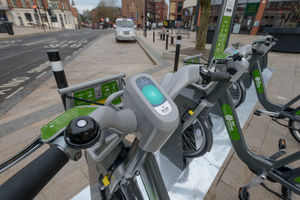
West Midlands E-scooter Hire is run by Beryl, with no financial subsidy, and is operational within Birmingham and the University of Warwick.
The scheme operates as part of the national Department for Transport (DfT) trial of e-scooter hire due to run until May 2026.
Officers carried out a market engagement exercise with providers which found there was a desire for a shared e-bike and e-scooter scheme, while there was a diminishing demand for traditional pedal bike hire.
A report for the Transport Delivery and Scrutiny Committee said: “There is belief from within the market that there is the potential for a financially viable micromobility scheme within the West Midlands without the need for public subsidy.
“This would need to be based on a balanced approach to parking, with parking compliance through more formal infrastructure in high traffic areas, flexible parking in lower density areas and scheme operation sitting predominantly with the appointed supplier.
“There could also be a risk of not having the scheme across all seven local authority areas to ensure commercial sustainability, but that can be assessed as the process moves forward.”