'Cramped' six-bedroom HMO plan for Wolverhampton rejected over ‘high crime fears’ could still go ahead
A plan to convert a home into a ‘cramped’ HMO which was turned down over fears it would bring more crime could still be allowed to go ahead.
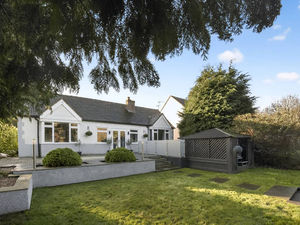
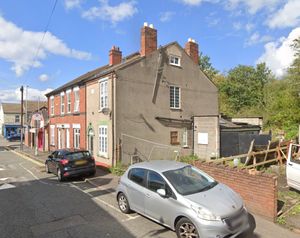
City of Wolverhampton Council rejected plans to convert the home in Woden Road, Wolverhampton, into a six-bed house of multiple occupation (HMO) saying it feared the move would lead to further problems for Heath Town.
The council said the proposed HMO plans by Dean Investment Properties had “failed to promote a safe and accessible environment” but the developer has now lodged an appeal with the government’s planning inspectorate.
The appeal means the planning inspector, who will have the power to overrule City of Wolverhampton Council, will have the final say.
The planning application asked for permission to demolish a side extension, build a new rear extension and convert the home’s loft to make way for a six-room house of multiple occupation (HMO).
“The wider area already has high levels of crime,” the council said earlier this year.
“This proposal would likely lead to the potential for further crime and disorder and add to the fear of crime and undermine community cohesion.”
The council’s planners also said the majority of the HMO’s proposed rooms fell below already tight space standards and communal areas such as the kitchen, dining room and living room were also short on standards for six people.
West Midlands Police also objected saying allowing another HMO in Woden Road would run the risk of turning the “stable, family-oriented street” towards a “more transient, high-turnover environment” that “could create a harmful cumulative impact, degrade residential amenity, increase crime and safety risks, and place unjustified pressure on the local area.”
The force’s design out crime officer added that vulnerable people, including alcoholics and drug addicts, those with mental health issues and learning difficulties, and ex-offenders, were often housed in similar types of HMOs that “may not provide a safe environment for some elements of society” because of the shared communal facilities and a lack of private space for tenants.
“In addition to this, HMOs are not conducive to long term living; therefore, a high turnover of residents is always expected,” the force added.
“This usually leads to a lack of engagement, pride and ownership.”
The council’s planners also said more noise and disturbance for neighbours would be expected given the “greater comings and goings” from a HMO when compared to the existing family home.
“The change of use from a family dwelling to a house in multiple occupation for six people each acting as a separate household, with their own friends, families, lifestyles, and patterns and times of movements would be significantly greater and in stark comparison to a single-family home,” the council’s report continued.
“The activity generated by both people and vehicles, as well as the likelihood of requiring additional refuse facilities will have a detrimental impact on the character of the area.
“The proposal would detract from the present level and quality of residential amenity in the area, significantly increasing the potential for noise and disturbance at different times of the day and night, particularly in terms of greater comings and goings and more intensive use of the property.”