£27m ‘green innovation corridor’ in Wolverhampton approved
Multi-million-pound plans to build new ‘cornerstone’ employment land as part of a ‘green innovation corridor’ in Wolverhampton have been backed by the city’s planners.
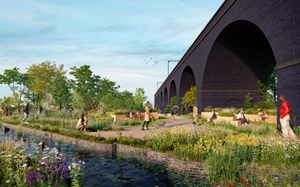
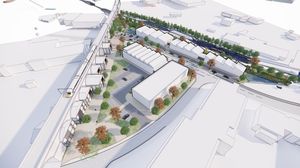
The Six Mile Green project will eventually see up to 19,200 square metres of workshops, offices, laboratories and warehouses built around the University of Wolverhampton’s Science Park as part of a direct link with its city centre Springfield Campus and Jaguar Land Rover’s engine plant and rest of the i54 industrial park.
The project has already received £27m in government funding and when completed would host ‘up to 600 high-quality jobs and apprenticeships.’
The work would also bring another 100 construction jobs, the City of Wolverhampton Council said.
The planning application by the Black Country local authority has now been approved by the council’s own planning officers.
The ‘green innovation corridor’ project is being designed to focus on green computing, construction and engineering and hopes to attract robotics, precision engineering and aviation and aerospace firms as well as businesses specialising in medical technologies and car manufacturing.
A number of existing buildings would be demolished and two university car parks would be turned into office, workshop and warehouse space.
Get the latest headlines delivered straight to your inbox with the Express & Star’s free newsletter
New canalside units would also be built with the nearby railway viaducts transformed as part of the ‘green corridor’.
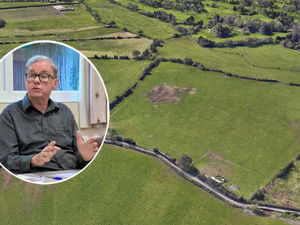
Dr Pete Cross, chief operating officer at the University of Wolverhampton, said: “This site has extraordinary potential to become a hub for low‑carbon industry, sustainable construction, and advanced manufacturing, right at the heart of Wolverhampton’s innovation ecosystem.
“By transforming 6.4 hectares of brownfield land into high‑quality commercial space, we are not only creating opportunities for new employers and investors, but also reinforcing the vital connections between the Springfield Campus, the Science Park and the wider city.”
The university chief added the site would “play a key role in shaping a cleaner, greener and more resilient economy for the West Midlands.”
Councillor Chris Burden, the Labour council’s cabinet member for development, jobs and skills, added the new ‘green innovation corridor’ would “drive the green industrial revolution” and build on the city’s “sustainable construction, green credentials and circular economy for transformation” which would “create quality jobs and training opportunities for local people.”
“The council and university have an extensive track record of working together with developers and investors to deliver transformative regeneration projects,” he said.
“We are already in active discussions with businesses seeking to locate at the green innovation corridor and be part of a community of innovators and planning approval now gives us the opportunity to progress those conversations and bring the Six Mile Green site forward as the first phase.”
The application also boasted of the project’s green credentials and how it will use low carbon and energy-efficient materials and solar panels as well as support walking and cycling and increase biodiversity with more plants, trees and ponds.
The sites are expected to be cleared by March 2027 and work would hopefully begin by early 2029, the application said.