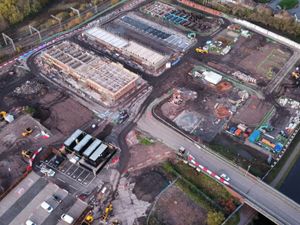
Seven historic derelict or disused Black Country buildings that we would love to see restored in 2026
From vacant pubs to disused but beloved landmarks, these neglected Black Country landmarks are crying out for a second chance in 2026.
 One of the things that the Black Country has in abundance is historic buildings.
From Wolverhampton's Beatties to the old Legge Lock factory in Willenhall, we love our historic buildings; however, following closure, they're often left to fall into disrepair.
Get the latest headlines delivered straight to your inbox with the Express & Star’s free newsletter
From once-bustling pubs to historical industrial factories and warehouses, here are seven Black Country buildings that we would love to see restored to their former glory this year.
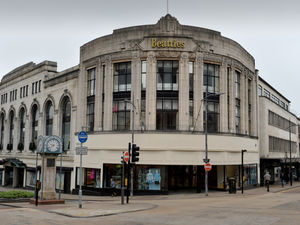
1) Beatties, Wolverhampton
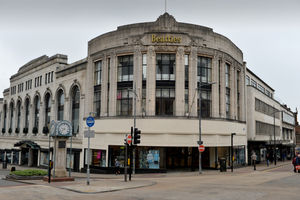
Founded in 1877, the Beatties department store is a beloved Wolverhampton landmark.
The Beatties building features a majestic curved facade and an Art Deco style that brings a sense of grandeur to the city.
After its closure in 2019 following the House of Fraser acquisition, the building was bought for redevelopment by Corstorphine & Wright, with plans to convert it into homes, commercial spaces and restore the historic arcade.
2) The Eye Infirmary, Wolverhampton
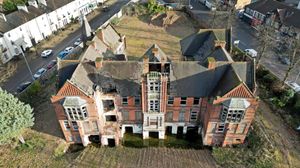
From its early origins in 1882 to its grand reopening in 1888, the former eye surgery provided innovative and progressive eye care for more than 100 years.
Regarded as one of the most important architectural practices working in the city in the 20th century, the building provided much-needed eye care for the region's needy.
Current plans for the building see it included in a redevelopment project by Wolverhampton Council, with the works seeing the site becoming a new-build apartment complex.
3) The former Post Office, Dudley
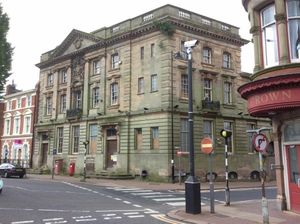
With rumours of demolition, our dreams for the former Post Office building in Wolverhampton Street, Dudley, may never come to fruition.
However, we would still like to see the beautiful building redeveloped into something meaningful.
Constructed in 1909, the site was put up for sale in 2017 with planning permissions for 21 flats and a guide price of £525,000; however, it was never developed.
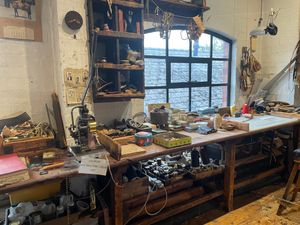
4) Legge Locks, Willenhall
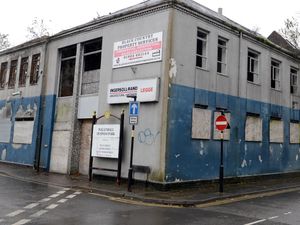
Founded by William Legge in 1881, the factory tapped into the region's renowned lock-making heritage.
The site is a standing landmark of the region's deep-rooted history, with many families in the local area having relatives who have memories of working there.
Like many local firms in the region, Legge faced decline as manufacturing shifted, leading to redundancies and eventually the closure of the Moat Street site in the 1990s.
5) Chance Glassworks, Smethwick
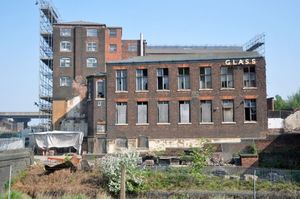
The historic site in Willenhall once employed thousands of workers to create renowned lighthouse lenses and Crystal Palace glass.
The site was closed in 1981 and is currently under a redevelopment project led by the Chance Heritage Trust to transform the derelict site into housing, business spaces and a heritage centre.
The building once played a major role in the development and upkeep of the nation's lighthouses, and we would love to see development plans pay homage to its fantastic history.
6) Blue Brick pub, Brierley Hill
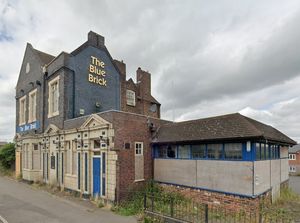
A historic Marston's house on Dudley Road, Blue Brick originally started as the Commercial Inn in 1856.
The locally iconic building is renowned for its distinctive blue bricks and old gas lamps.
Sadly, the building eventually closed and was slated for conversion to apartments and new homes in 2022, with development plans raising concerns from CAMRA.
7) The Prince of Wales Theatre, Cannock.
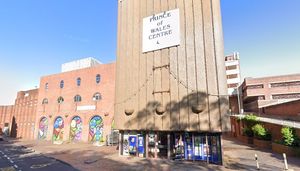
Opened in 1984 as a replacement for the Forum Theatre, the Prince of Wales Theatre once served as a vital hub for musical, drama and community arts until its closure in April 2025.
The venue was closed due to budget cuts, with plans set for demolition as part of the town's regeneration plans.
In its heyday, the theatre hosted a wide range of fantastic events, from professional touring shows to local amateur dramatics and even live wrestling.