Wolverhampton Council agrees land move to spark start of ‘once in a generation’ 1,000 home redevelopment
A move to begin building more than a 1,000 new homes as part of Wolverhampton’s largest city centre regeneration scheme has been backed by councillors.
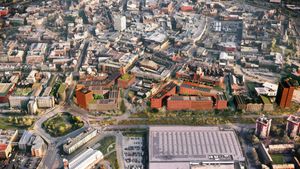
City of Wolverhampton Council has backed plans to appropriate land for the first phase of the huge Smithgate development which includes up to 1,070 new homes, shops, bars, restaurants and a revamped public square across a 12-acre site linking School Street and Darlington Street in Wolverhampton city centre.
The first phase of the development, the only one to so far have detailed planning permission, includes 331 new flats as well as new retail units on the site of the city’s former indoor market in Peel Street as well as the area around the city centre’s Market Square.
The Labour-run council is using powers which means it can convert certain property rights – such as the right to light – into a right to compensation to allow certain developments to go ahead and to avoid lengthy legal battles that could bring work to a standstill.
The cabinet report said appropriating the land for the first phase would “effectively remove the threat of injunctions” to ensure the first phrase of the huge redevelopment plan went ahead “without legal obstruction and maintaining momentum in funding discussions.”
City of Wolverhampton Council’s cabinet agreed to push ahead with the move at a meeting on Wednesday (October 15).
At the meeting, Cllr Chris Burden, cabinet member for regeneration at the council, said the “once in a generation” scheme would be the “biggest intentional expansion of our city centre residential ever.”
“I think that is something that has come out loud and clear from the leadership of this council and the residents,” he said. “They want more housing but they do want brownfield high-quality housing and I think is what Smithgate is going to deliver.”
“Residents want this on time and on budget and it’s up to us to take the action to ensure that happens.
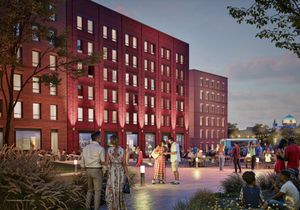
“This is an enormous amount of investment and enormous amount of units coming to the centre, bringing real life to that night-time economy.
Cllr Steve Evans, cabinet member for housing, said Smithgate was a “really important development opportunity that will make a huge difference.”
“If people are living within the city centre, they are more likely to be spending time and money within the city centre, particularly in new restaurants and new shops,” he said.
Cllr Stephen Simkins, leader of the Labour-run council, added: “Let the naysayers knock our city centre, we’ll still keep continuing building it up.
“We are putting the city in a great position at the minute and it’s exciting for me to see the foundations that will be left for future generations.”
The area next to the city’s ring road, named Smithgate in a nod to the city’s historic metalworks, was granted planning permission earlier this year.
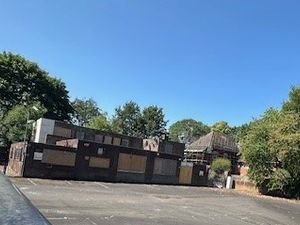
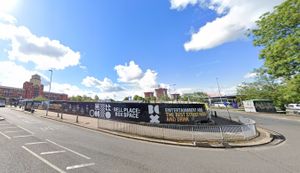
The former market site has been vacant since the famous building was demolished in 2017 and was earmarked as a potential venue for the city council’s much-touted £6 million boxpark.
The ‘boxpark’ – providing a home for outdoor entertainment and food and drink vendors in converted shipping containers – was due to open this year but has since been put on hold as the council hunts for a new location.