Historic Smethwick industrial estate to finally be demolished for 118 new homes nearly two years after it was emptied
The majority of an historic industrial estate in Smethwick looks finally set to be demolished for housing, three years after it was ruled ‘surplus to requirements’ by a council.
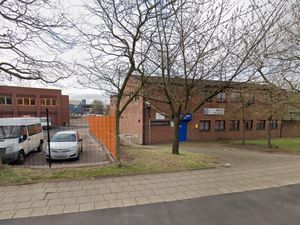
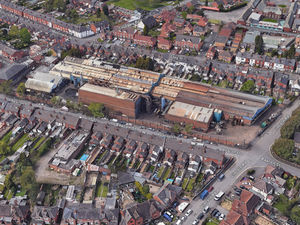
The ageing Smethwick Enterprise Centre in Rolfe Street, Smethwick, is set to be knocked down as part of a move by Sandwell Council that would eventually see up to 118 homes and flats built.
Two blocks would be spared from demolition and the front Rolfe Street façade of the industrial estate would be kept as would the former fire station training tower.
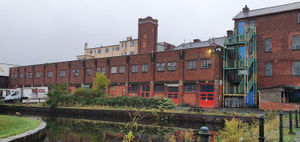
The council revealed in 2022 it was planning to demolish all of the buildings on the council-owned industrial estate – giving some of the remaining 35 businesses, which included a homeless charity, a long-standing engineering firm, a dairy company, and a flooring business, just months to leave and find a new home.
With the site empty by January 2023, the council did then put forward its demolition plans but the application was met with objections over the damage it would cause to the area’s heritage.
The application received objections from Historic England, the Canal and River Trust and the Victorian Society over the harm it would cause to the conservation area and eventually withdrawn to allow for further talks.
While the individual buildings were judged to have ‘little or no significance’ in heritage reports, the site as a whole had a “high degree of local significance” because of its location within the conservation area and its position next to two listed buildings.
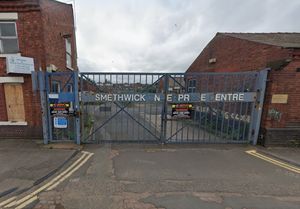
However, the architectural quality of the building was “generally low,” the council added.
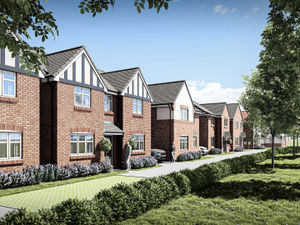
The heritage assessment recommended that the new housing should be of a “high quality that celebrates the industrial heritage of the site with varying roof heights, footprints and placement of the buildings being carried through to the new design for a housing led scheme.”
A statement included with the council’s planning application said: “Due to the continued demise of the Enterprise Centre and investment required to required to refurbish, the site became unsustainable and unviable to run.
“It has received funding from the Government’s Towns Fund for demolition and remediation of the site in readiness for residential development.
“The project now proposes to retain a few buildings for conversion along with the façade in order to retain some of the more significant heritage features to be included within the new development.”
Sandwell Council said repairing and refurbishing the site would cost more than £3m but could not guarantee the units would be occupied if the work was carried out.
Knocking the buildings down to use the site for housing in the future was “deemed the most cost-effective and land-efficient option in the long term,” the council said.
A ‘masterplan’ for the regeneration of Rolfe Street, dubbed the ‘biggest brownfield site in Europe’, was backed by councillors two summers ago.
As well as the hundreds of new homes, the masterplan includes a public square, green spaces linking up existing canals in the area; and new connecting points between the train station and the Midlands Metropolitan University Hospital.
Sandwell Council said the industrial site has been touted for housing as far back as 2008.
As a result, the regeneration of Rolfe Street was included in the council’s plans when it bid for Towns Fund money from the government.
In all, Sandwell was given £23.5 million with £2 million going towards demolishing Smethwick Enterprise Centre.
The former industrial estate is a key location in the council’s regeneration plans for the key ‘Smethwick to Birmingham corridor’.
Sandwell Council said some of the units had not been “appropriately maintained” and had “fallen below the standard considered suitable for rental.”
Before being kicked out by Sandwell Council, traders had complained about asbestos, rotting doors and rat infestations and claimed to have witnessed dogging and ducks being shot.
Because of this, two-thirds of the industrial estate was lying empty by 2019.
The council said it was not receiving enough rent money to cover costs and “over time the buildings became dilapidated and the maintenance budget was not sufficient to make the necessary repairs.”
Repairing the units at the industrial estate to bring them back up to standard would cost more than £3 million.
This, coupled with no guarantees over whether the refurbished units would have any tenants, the council said demolishing the entire site was the “most cost-effective and land-efficient long-term option.”