Birmingham Indoor market traders 'must be supported' amid uncertain future
Traders at Birmingham’s historic Bull Ring Indoor Market must be supported as they face an uncertain future, council leaders said.
The city council’s planning committee recently voted to refuse divisive proposals for the city centre site, which would have provided up to 745 apartments or up to 1,544 student bedrooms – or any combination of those uses.
The plans also would have seen the indoor market building demolished to make way for the new homes, along with new public realm works and commercial space.
But fears over what could happen to the market traders was a recurring and pressing concern at three council planning meetings throughout 2025.
Following the decision to refuse the proposals last month, developers Hammerson confirmed it was pursuing an appeal – which means the indoor market saga looks set to rumble on.
Amid concerns over the traders’ futures, the council said there were plans for a temporary market on the former wholesale market site.
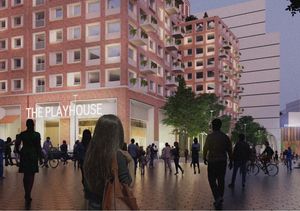
This would be ahead of the transition into a new permanent market building on the Smithfield scheme site.
It also said that the lease on the current indoor market would be extended until 2027, which the council said would provide the “necessary time” to deliver a temporary market.
Discussing the extension of the lease at a property meeting this week, council deputy leader Sharon Thompson said it was important that the council provided support for the traders.
“I think two years is sufficient,” she said.
“But the council needs to make sure that market stall holders are given [business] support within that two year period, so when they go to their permanent home, they have got the best possible chance, individually as businesses, for sustainability.
“I’m really clear that we need to be making some commitment.”
Council leader John Cotton added: “I think all members of the committee would like to see such an assurance.”
The meeting heard from a council officer that the review of the lease would provide “stability” for the traders amid hope the Smithfield scheme would provide a permanent home.
The property cabinet committee ultimately agreed to the council entering into a new lease at the meeting on Monday, August 18.
The council has previously said there is a plan which would provide a “credible pathway” towards providing the future markets as well as “continuity for traders and the public”.
“This will include relevant support for the traders in the various stages of transition,” it added last month.
Those behind the scheme said its benefits would include new housing, the potential of creating a ‘gateway’ development, public realm enhancements and the use of brownfield land in a ‘highly sustainable’ location.