Ann Widdecombe explains Reform's asylum plan at poignant meeting with mother of murdered hotel worker Rhiannon Whyte
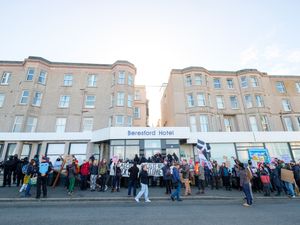
When it comes to the vexed question of asylum hotel accommodations, there are few places more poignant than this.
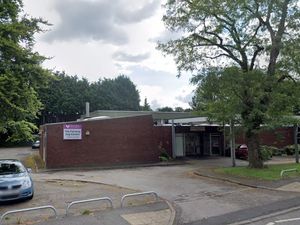
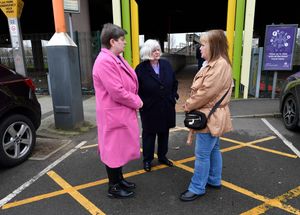
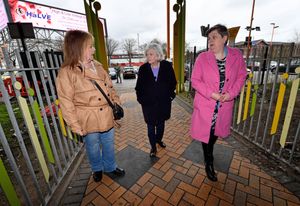
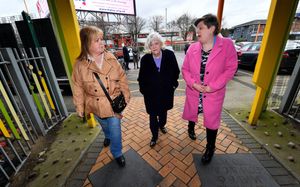
Ann Widdecombe is about to meet Siobhan Whyte, the mother of murdered hotel worker Rhiannon Whyte, at the scene where her 27-year-old daughter was bludgeoned to death by asylum seeker Deng Chol Majek, a Sudanese asylum seeker living in the hotel across the road.
Get the latest headlines delivered straight to your inbox with the Express & Star’s free newsletter
She has a stern message as she sits in a car outside Bescot railway station.
"Every single new asylum seeker should be housed in a secure reception centre, not in hotels, not free to wander about in local communities, free to disappear at a point where they think the state is going to say no."
Rhiannon's murder, on the station bridge, shocked the nation, and hardened the mood against the use of hotel accommodation for asylum seekers. Both Sir Keir Starmer, and Rishi Sunak, before him also promised to end the use of hotels for new arrivals awaiting asylum claims. But while new figures suggest a national fall, the number in the West Midlands remains stubbornly high.
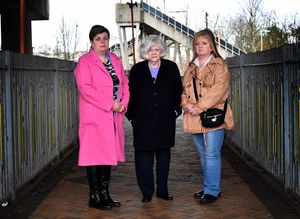
As well as ending all hotel accommodation for asylum seekers, Miss Widdecombe says Reform will end the scandal of adults being given leave to remain by masquerading as children.
"There is nothing new about that, it isn't a Keir Starmer policy," she says. "I can remember when I was a member of parliament for a Kentish seat, the chairman of Kent County Council went down to Dover to see the immigration operations, and came back clutching his head, saying he had seen people quite visibly of pension age claiming to be children."
There is no doubt that holding new asylum seekers in detention camps and cracking down on adults pretending to be children will prove popular with a certain section of the electorate, but the same was said about Sunak's Rwanda plan.
Why does she think these plans will avoid the collision with the legal system that befell Rwanda?
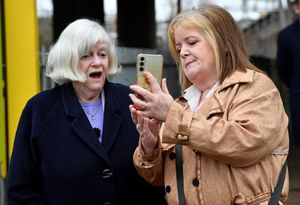
"Reform is making a very, very major policy of them. It's right at the top of the list, and we will get on top of the problem, which only needs willpower to get on top of."
Nevertheless, there are still a number of questions about the practicalities. How many of these centres will be needed? Where will they be built? How much will they cost?
She says that while the plans have not been costed recently, they were when she was shadow home secretary in William Hague's Conservative Party.
"At the time it was perfectly possible, by taking over existing premises, and making them secure," she says. "There will be costs, which we will publish before the General Election. The costs change every year, depending on the numbers coming in."
Has Reform identified sufficient suitable premises to meet demand?
"Look, we're not in government at the moment, we haven't gone around saying 'that one, that one, that one', what we do know is that you can put up interim accommodation," she says.
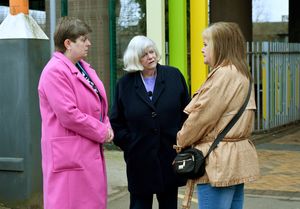
"You saw how quickly the Army managed to build the Nightingales, now they can build different sorts of secure premises on a temporary basis. What do you suppose we would do if we were at war, and we had to supply prisoner-of-war accommodation? You'd have to build it, you'd have to build it in double-quick time.
"And it's this business of saying 'it can't be done'. It can be done."
She also argues that demand for the accommodation would actually decline once the first centres had been built, as they would deter people from seeking asylum in the UK in the first place.
"We've said that anybody coming from France just be refused asylum because they've come from a safe country. There won't be any processing. It will be 'no', and we'll deport you."
She doesn't envision the plan being derailed by local opposition from people living near asylum sites.
"If you live near a prison, you live in the safest place on Earth, because if anybody gets out, they don't hang around, they keep going," she says.
"When you propose to build that that sort of facility, all the locals are against it, but when you come to close it, they're against that as well, because it's built an economy. The prison officers, the border force have to have somewhere to shop, somewhere to sleep, somewhere to eat, they contribute to the local economy.
Miss Widdecombe, who served as prisons minister in John Major's government, defected from the Conservatives to what was then the Brexit Party in 2019.
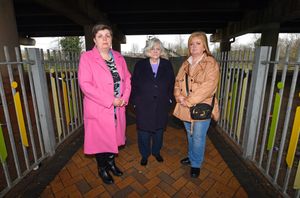
Last time she visited Walsall, almost two years ago to the day, she spoke witheringly about Rishi Sunak's Conservative government, particularly with regard to its record on immigration. So how does she feel about Sunak's former immigration minister, Robert Jenrick, and former home secretary Suella Braverman, now holding leading roles on Reform's 'front bench'?
"If you examine the situation, they are always the ones who have wanted to do things rather differently," she says.
"But when you're in a cabinet, you're bound by collective responsibility. I can remember, and I can say it now, a private conversation with Suella when she was in charge, I said 'you've done nothing', I was rude enough to say 'you're not stopping the boats, you're not doing anything,'.
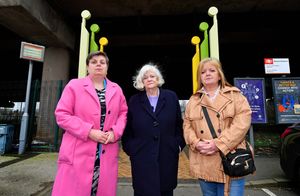
"And she herself was frustrated because she couldn't get the necessary measures through the cabinet. Now I'm still very, very sceptical of the Tories, I don't know what they're doing, and I think this Labour government is even worse, I think very few people would dispute that.
"Reform offer solutions, and above all, we offer willpower. You know, we'll do these things, It doesn't matter how much people say to us 'people won't want it', 'it'll cost too much', or 'you'll never find the premises'.
"Our answer is 'yes, we darn well will'."