Call for more scrutiny over Staffordshire council's £840m budget
Councillors have called for greater scrutiny of their authority’s £840 million budget for next year.
Staffordshire County Council’s Reform UK leaders are proposing a 2026/27 budget that includes a 3.99 per cent tax rise and £21.5 million of savings.
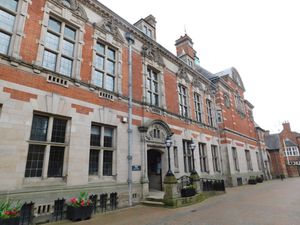
Members of the corporate overview and scrutiny committee had a chance to examine the proposals at their meeting on Tuesday. But no cabinet members were in attendance, with finance portfolio holder Chris Large also having been absent from a working group session the previous week.
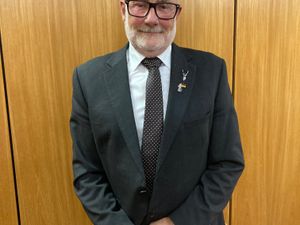
Committee member Philip White, who also leads the opposition Conservative group, said it was ‘incredibly disrespectful’ that councillors had not been given a chance to properly challenge cabinet members on the budget. The budget and council tax rise are due to be debated and approved at full council next month.
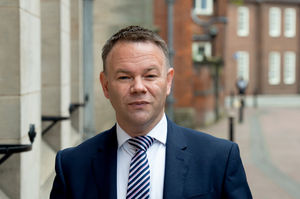
Committee chair Thomas Baker suggested that the ‘pressures of the timeline’ had made it difficult to arrange sufficient time for scrutiny, but Cllr White pushed back on this argument.
He said: “The timeline was of cabinet’s choosing. They’ve chosen to do this late this year. Why should their choice mean that there is no proper scrutiny?
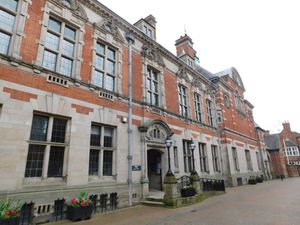
“That’s incredibly disrespectful to other members who are not in cabinet. I did find it very strange that the cabinet member was in County Buildings last week when we were holding our session, and he chose to go to another meeting instead.
“We’ve got a month before it goes to full council. In the circumstances, given that the budget was late, and we’ve not been able to have the cabinet member in front of us, could we not schedule another meeting of this committee so we can actually do some scrutiny. I think it’s completely wrong that we’re not able to do any scrutiny on an £840 million budget.”
Cllr White raised particular concerns over the Reform leadership’s decision to go for a 3.99 per cent council tax rise, as opposed to the maximum 4.99 per cent increase, which would have repercussions for future budgets. While the 2026/27 budget will be balanced, the council is projecting an £11.5 million deficit in 2027/28, rising to £25.2 million in 2028/29.
Cllr White added: “The budget is largely a roll-over of last year’s in terms of what we’re spending money on. But we’ve got changes to council tax, we’ve gone from a three-year balanced budget to a one-year balanced budget, without any apparent plan as to how we’re going to fund that. There are serious issues here where we could really do with some scrutiny to understand them.”
Cllr Baker said there had been scrutiny of the budget-setting process by the working group, but conceded that ‘it could have been better’. The committee voted in favour of exploring with cabinet the potential for a further meeting before next month’s full council meeting.
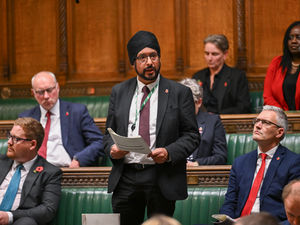
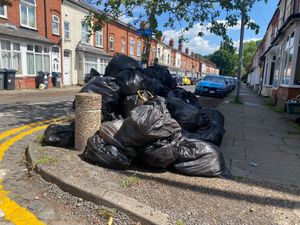
Green councillor Jack Rose raised concerns over proposed savings to grit bins (£30,000), tree management (£50,000) and school crossing patrols (£47,000). Peter Shakespear, director of finance and resources, said that none of these areas would see service reductions.
He said: “They are efficiencies that have been identified. For example, with the grit bins, we’ll make sure that they are topped up to an appropriate point throughout the year, and not left full for a period of time. But if there is a need for that grit bin to be topped up sooner, that of course would happen.”
In relation to the projected budget gaps, Mr Shakespear said the council would need to find further savings and efficiencies, or look at increasing income, such as through council tax.