
50 per cent rise in electricity price is hurting, West Bromwich boss tells minister during visit to Black Country
Business Secretary Peter Kyle was told how soaring energy costs and trade barriers were hitting manufacturing during a visit to the Black Country.

Rachel Graville, managing director of the William King metal works in West Bromwich, told Mr Kyle on Thursday that her electricity bills had risen by 50 per cent since the outbreak of the war in Ukraine, and would increase by a further 20-25 per cent next year as a result of government changes to the transmission grid.
She added that post-Brexit barriers were hindering international trade, and called for closer ties with the European Union.
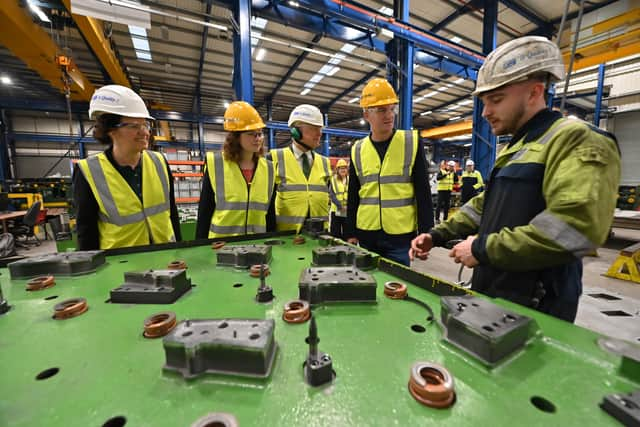

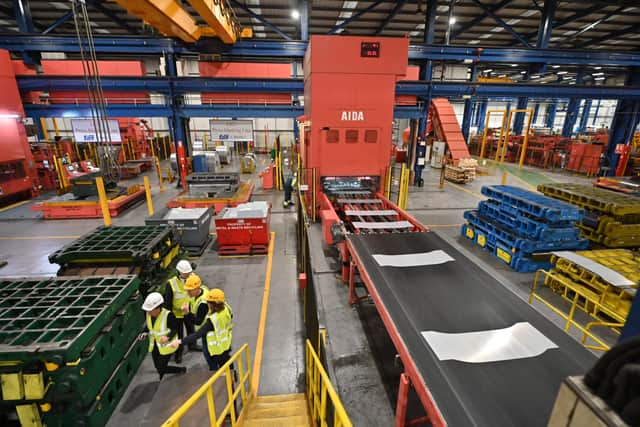
William King, a family firm which traces its roots back more than 200 years, supplies sheet metal products to Jaguar Land Rover and BMW.
Mr Kyle attended a round-table event with business leaders - many of them JLR suppliers - during the visit organised by West Bromwich MP Sarah Coombes.
Several businesses in the JLR supply chain were forced to lay off staff this year after a cyber attack on the motor manufacturer led to a halt in production.
Mr Kyle said the Government had responded swiftly with a comprehensive support package, and said these companies now had a bright future.
But he said JLR itself also had a responsibility to protect the future of the companies on which it depended.
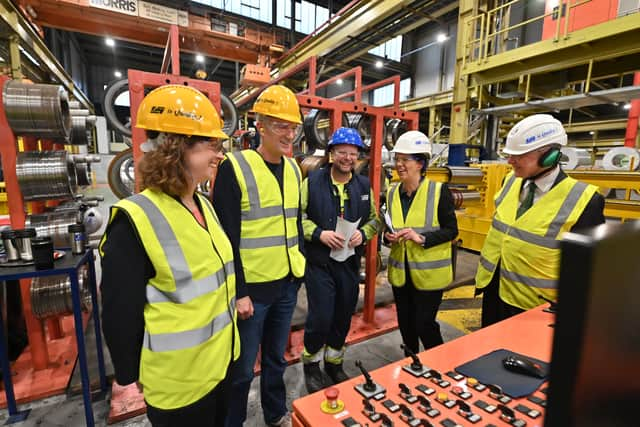
"in a few short days I put together a £1.5 billion package," said Mr Kyle. "I was there when this business community was in its hour of need, and now it is for JLR to make sure that the entire support supply chain is not only back onto its feet, but is thriving into the future.
"I put a lot of conditions on my support for JLR, and those conditions were that it needed to support its supply chain."
Mr Kyle said it was the second time he had met JLR's suppliers, and was confident they had now come through the difficulties and were back on a solid footing.
"It is producing and it is functional, and that is something that is incredibly important," he said.
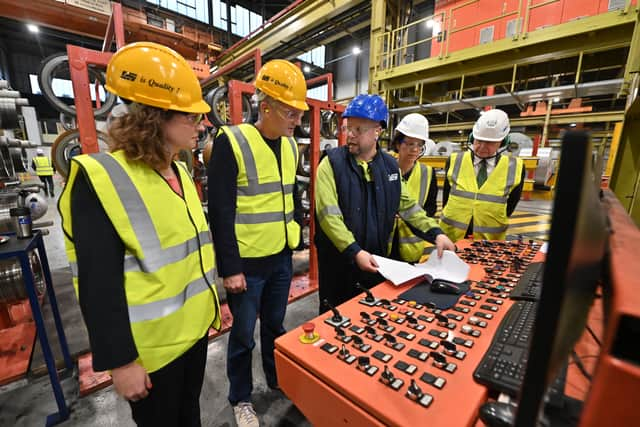
"I now want to make sure that it moves on from survival to thriving, and that's why I'm here again.
"I think the JLR supply chain has a great future, I have met customers of JLR abroad, I have worked with JLR in China to find new opportunities, not just to thrive in the domestic market, but also in the global market."
Mr Kyle said this week's trade deal with South Korea, the fourth in 16 months, demonstrated how the Government was committed to expanding export opportunities for British manufacturing.
Mr Kyle said the cyber attack on JLR had showed just how vulnerable all businesses could potentially be to online hackers, and said it was important they took advantage of the support available from the Government, and particularly the National Cyber Resilience Council that helped JLR recover in the wake of the attack.
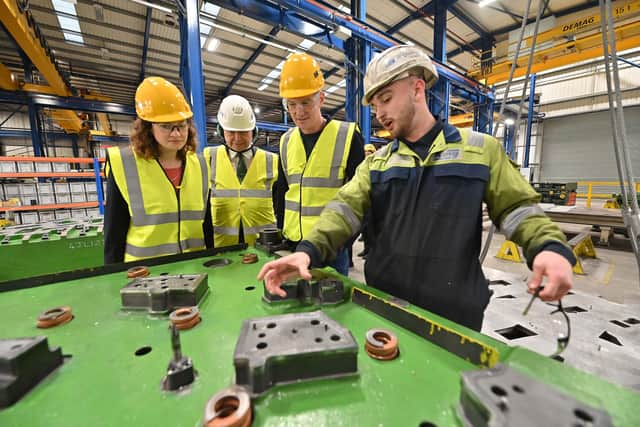
"There is lots of advice out there from government and from other agencies on how you can ensure cyber security, not just now, but into the future," he said.
"I suggest every business takes advantage of all the advice that's out there, and doesn't think it's a problem for tomorrow. This is a challenge that needs to be tackled today."
Mrs Graville said the rising cost of energy had been identified as the biggest concern by most of the businesses who attended the round-table event, and she said she was particularly concerned about proposed extra charges which would be used to fund the Government's plans to upgrade the national supply network as it began the transition to net-zero.
She called on the Government to either spread the cost over a greater period of time, or to fund the improvements to the grid through general taxation.
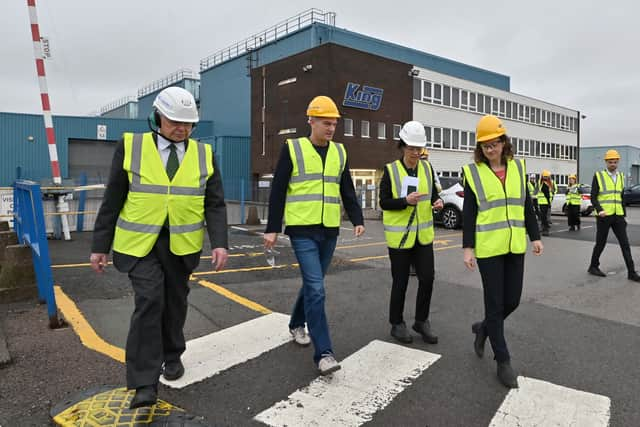
"It was definitely the number one issue, and the Secretary of State heard that loud and clear," said Mrs Graville.
"Let's be clear, this isn't the wholesale cost of energy: this is a system design issue that is therefore within the Government's control. We have to be competitive - if we're not competitive, our customers move their manufacturing."
Mrs Graville said the extra charges, which were not related to energy consumption, would also curtail company's ability to invest in green, energy-efficient technology.
"It's going to be a hindrance on investment, a hindrance on growing employment, and it's actually going to be anti-green, because people are going to be paying what is effectively a tax, rather than investing than money and making their business more sustainable.
Miss Coombes said she was delighted to have Mr Kyle meet with business leaders in the constituency.
"We talked about all the challenges for the manufacturing sector," she said.
"We talked energy prices, we talked barriers to trade, we talked about skills, and we talked about the opportunities. This government really wants growth, we want to back our manufacturing sector."
Miss Coombes said the Government recognised the problems the manufacturing sector was having with energy prices.
"This is to do with historic issues, that we're over-reliant on oil and gas, and when those prices spike, it has a huge impact on us in the UK," she said.
"We're upgrading our energy system for the future of the country, so we have sustainable energy here."
Comment Guidelines
Iconic Media encourages reader discussion on our stories. User feedback, insights and back-and-forth exchanges add a rich layer of context to reporting. Please review our Community Guidelines before commenting.