Midlands criminologist urges Government to reconsider controversial migrant bill
A criminologist from the West Midlands is leading calls for the Government to urgently consider a controversial migrant policy after a petition was launched.
Dr Mohammed Rahman, senior lecturer in the topic at Birmingham City University, said the Borders and Nationality Bill needs to be scrapped as he called for action.
The bill has already come under scrutiny for criminalising people arriving in the UK without permission – with sentences of up to four years set to be handed down.
The petition, coordinated by Dr Rahman, calls on the Government to scrap the bill, raise awareness of legal options and offer a more "proportionate" approach to border controls.
It also challenges Ministers to acknowledge that the bill disproportionately impacts the UK’s Black and Minority Ethnic communities through proposals to strip UK citizenship without notice from these British nationals.
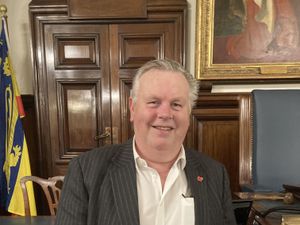
Dr Mohammed Rahman, senior lecturer in criminology at Birmingham City University, said: "There are so many issues surrounding the new Nationality and Borders Bill.
“Ministers have argued that the new measures will protect vulnerable people, but in fact, it does the very opposite and undermines the 1951 Refugee Convention. Recently the UK has had a spike in citizenship deprivations.
“These have mostly taken place when the British citizen is overseas, therefore they would be unlikely to know about cancellation orders and would find it difficult to appeal. The Bill is not only discriminatory but also divisive and dangerous.”
The bill would allow UK officials to send those seeking sanctuary in the UK to a ‘safe third country’ and includes proposals for offshore processing centres to replace asylum claims being considered in the UK.
Founders of the petition are calling for people across the country to back their calls and signal their support by signing the petition which can be found on Change.org, by searching “Scrap the new Borders and Nationality Bill and protect human life to avoid tragic deaths”.