EU referendum: Brexit would hurt Black Country, warns Wolverhampton University boss
Bosses at the University of Wolverhampton say leaving the EU would give 'the wrong message' to other countries about UK universities' international outlook.
Professor Geoff Layer, vice-chancellor of the city's university, said Britain being a member of the EU had allowed the university to 'bring an enormous range of benefits' to the local economy and society.
The university has received nearly £70 million in funding from Europe in the last 16 years.
EU referendum: Take part in our survey and have your say on Brexit
Prof Layer said: "These grants directly impact our communities – students, staff, the Black Country, West Midlands and further afield with our world-renowned research.
"EU funding has helped us to make a difference in the areas of economic growth, access to higher education and in our campus buildings and facilities.
"Over half of our research income comes from Europe and research significantly contributes to the economy. We are internationally recognised for it."
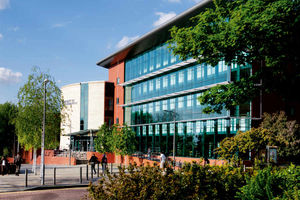
The university's Centre for International Development and Training has benefited from more than 5m euros of EU funding for a range of projects, while a business start-up programme for graduates received £8m.
The programme has seen 620 regional businesses launched leading to the creation of almost 1,000 jobs.
The university has also been handed almost £30m in EU funding for buildings and facilities. The cash has contributed to new facilities at Wolverhampton Science Park, the city centre campus and MI Technology Centre and the Telford Innovation Campus.
Prof Layer said: "Internationalisation of universities improves the student experience – and leaving the EU gives the wrong message to other countries about UK universities' international outlook.
"We bring Europe to UK campuses and it's an attractive place for overseas students to study. One of the biggest selling points in overseas recruitment is that the UK is a diverse and multicultural country, allowing students to meet others from different nationalities and backgrounds.
"The 'out' vote would arguably make the UK seem unwelcoming and reduce overseas student numbers to the UK."