From award-winning pies to a bizarre glue plot, the rise, fall and rebirth of Firkin's baker in 12 amazing pictures
For more than 100 years, Firkin's bakery dominated the Black Country, with shops in every town. Mark Andrews looks back at the fascinating and occasionally chequered history of the much-loved bakery chain.
In the Black Country in the 1980s, you were never far from a Firkin's. The bakery chain enjoyed a near-monopoly, with a branch on every high street. Many of the larger towns had three or four. In shops and offices across the patch, 'going for a Frikin's' was a by-word for celebration. It meant there was cause for celebration, someone's birthday, or weekly treat maybe. Renowned for its freshly-baked cream cakes, it was everybody's favourite indulgence.
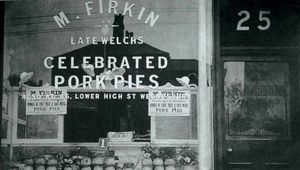
When Mary Firkin opened a small bakery at 25 Carters Green, West Bromwich. in 1870, the locals couldn't get enough. Her pork pies were particularly renowned as the best in the area. By 1908, the company had grown sufficiently to also have a branch in Lower High Street Wednesbury. And from 1912-1914, its pies won six gold medals at the prestigious London, Birmingham and Bristol food exhibitions.
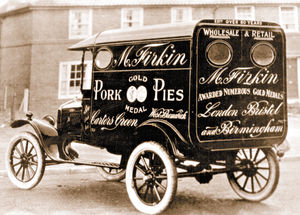
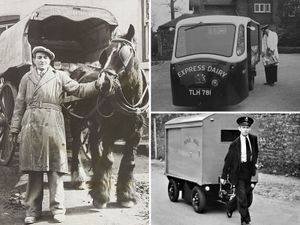
Rapid expansion saw the chain expand across the Black Country and surrounding areas, and by the 1920s its gleaming Ford Model T vans were a familiar sight delivering tasty treats across the region.
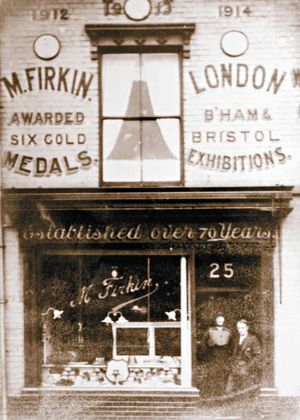
The business passed from Mary Firkin to her son, a Mr Carrill, who went into partnership with the appropriately named Mr Bunn, and continued to expand.
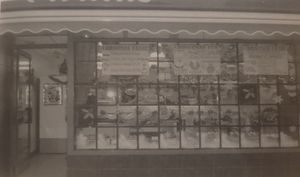
At its peak it had more than 50 shops, becoming one of the country's largest independent bakeries. In 1956 it opened its new headquarters and central bakery at Black Lake West Bromwich, and the chain looked unstoppable.