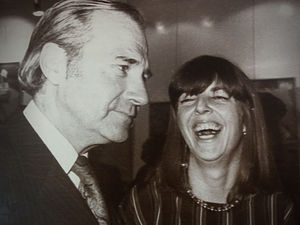
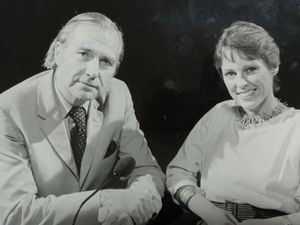
17 pictures capturing the remarkable rise and fall of John Stonehouse, Wednesbury and Walsall's most controversial politician
A look back in pictures at the Black Country MP who introduced second-class post -and then rocked the political establishment to its core
In one of the biggest shake-ups in mail services over the past 50 years, it was this week announced that Royal Mail had been given the go-ahead to cut back on second-class postal services
Royal Mail is no longer required to deliver second-class mail on a Saturday, and collections will be cut from daily to alternate days.
https://www.expressandstar.com/newsletters/
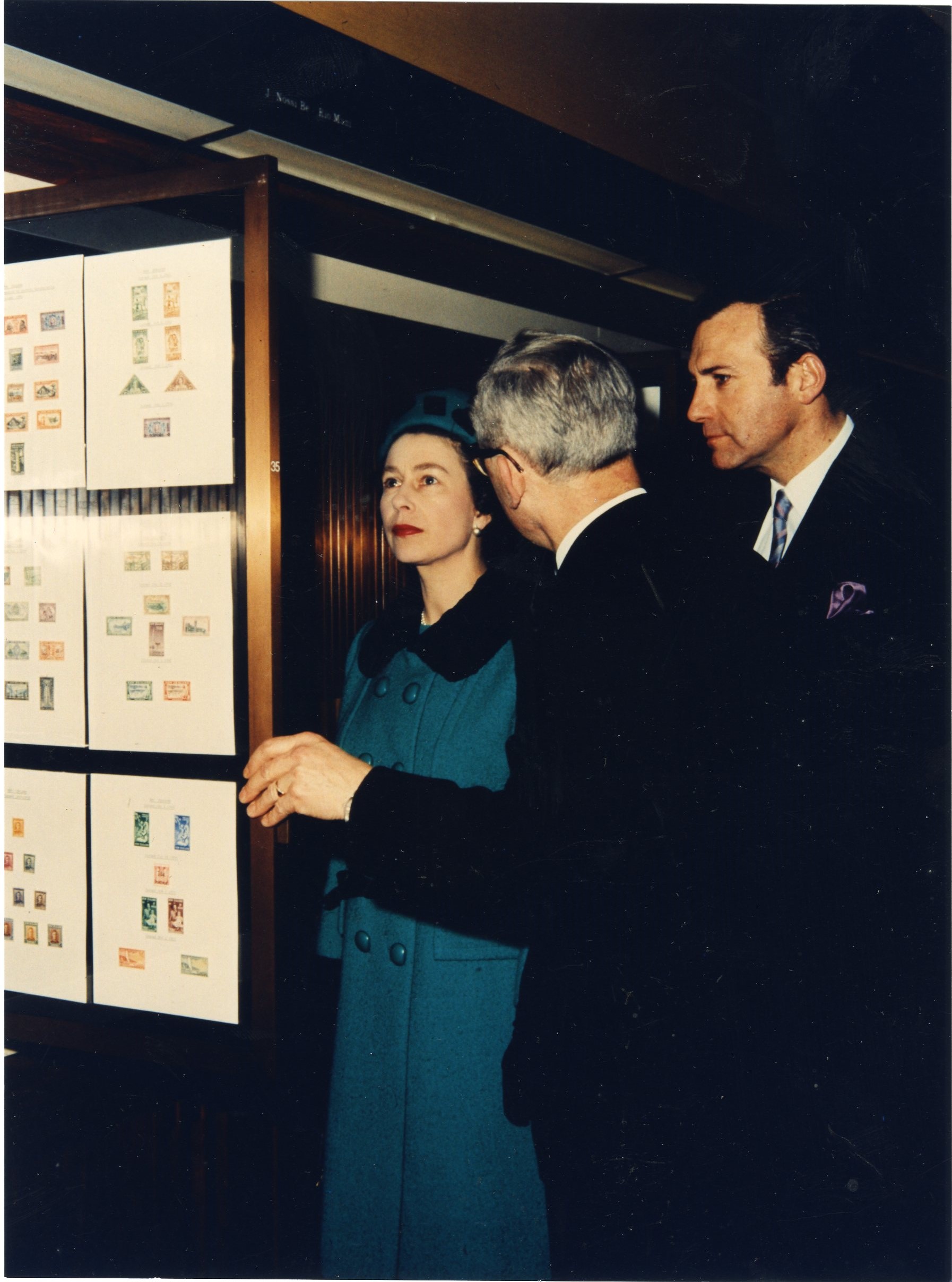
But how did we come to have a two-tier postal service? The answer is, it was the brainchild of Black Country MP John Stonehouse, who as Britain's last Postmaster General, was something of a high-flyer in Harold Wilson's government.

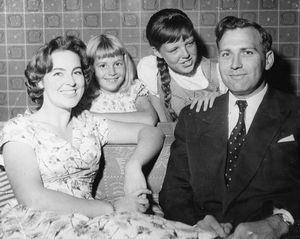
In the late 1960s, the Labour MP for Wednesbury looked like a man who had it all. Young, good looking, with a glamorous wife and three photogenic children who appeared in his campaign literature, Stonehouse looked to be destined for great things. When Wilson's government was elected on a wave of youthful optimism, the thrusting young Prime Minister saw Stonehouse as just the man to modernise the venerable General Post Office, which was still clinging to practices dating back to the mid-16th century. In some quarters, Stonehouse was being touted as a future prime minister.
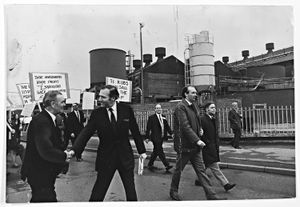
The role of Postmaster General, the government minister responsible for the mail services, was first held by Sir Brian Tuke in 1517, and Wilson felt that the antiquated structure had no place in the swinging 60s. It would be Stonehouse's job to turn the Post Office into a modern, corporation, that would be owned and governed by the state, but not run by it. And to effectively make his historic post redundant.
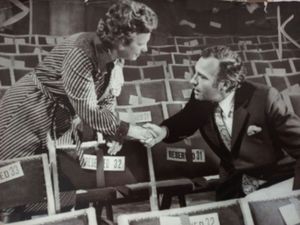
Part of this was to create a two-tier postal service - the term was not considered pejorative at the time - where people who were not in a hurry for their letters to be delivered could pay a lower rate, allowing priority to be given for those which were more urgent.
Under the new system, second-class post would be held back until all first-class letters had been sorted. The aim was to dispatch second-class letters by 1pm on the first working day after posting.
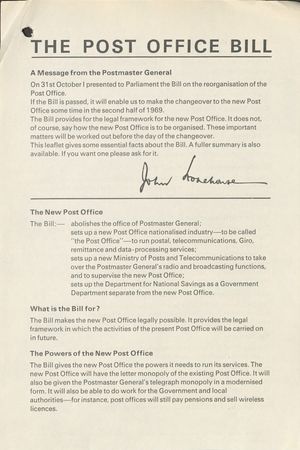
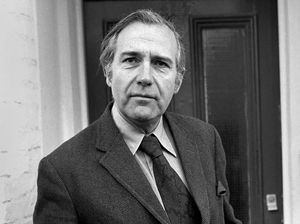
The Post Office was already having doubts about how to market this change, and it was only in the last few months before the launch in September 1968 that it was decided to actively promote the two-tier service. The launch proved a PR disaster, attracting many negative headlines about the treatment of letters at the different rates. Stonehouse was criticised for ‘a classic example of incompetence and bungling’ at an all-day debate in the House of Commons on November 4.
But that was just the start of his problems. Rumours were starting to circulate that he was operating as a Czechoslovakian spy and, although he managed to convince Wilson that they were untrue. he was denied a place in the shadow cabinet after Labour lost the 1970 General Election.
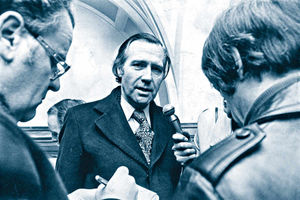

With his political career on the wane, and no ministerial salary, Stonehouse decided to focus on his business activities instead but by 1974, many of his companies were in financial difficulty, and reliant on 'creative accounting' to keep them afloat.
A change in political boundaries saw him move to the Walsall North constituency for the two elections of 1974, but by this time his financial problems were starting to catch up with him. The authorities had started investigating irregularities at his companies, and to further complicate matters, he was also in an extramarital affair with his young secretary, Sheila Buckley.
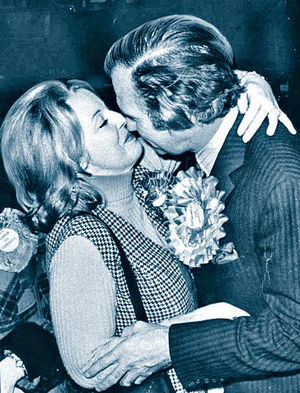
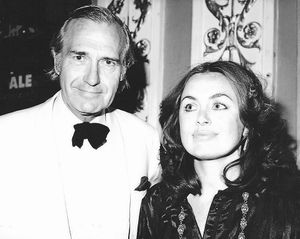
On November 20, 1974, he sensationally vanished while on a business trip in Miami. His clothes had been left in a cabana on the beach, and it was assumed he had either drowned while swimming, or been killed by a shark. Tributes were paid to a remarkable career.
But events were to take an even more remarkable turn. On December 24, Australian police arrested a man they believed to be fugitive peer Lord Lucan, but turned out to be John Stonehouse, using the stolen identities of two deceased constituents.
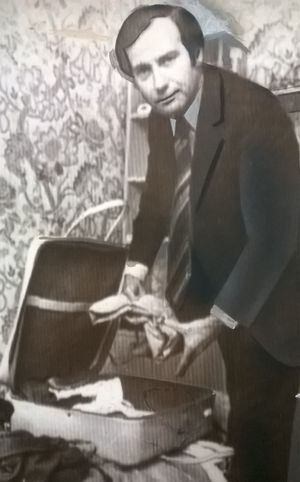
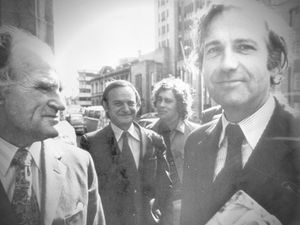
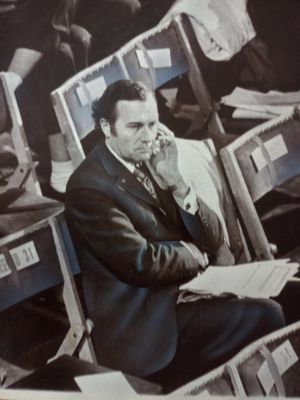
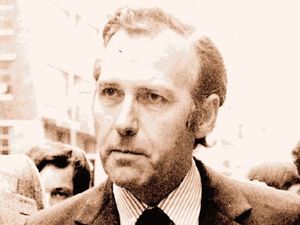
He tried to make his case to both the Labour Party and parliament, but found little sympathy in either quarter. On August 6, 1976, Stonehouse was convicted and sentenced to seven years in prison for fraud, and received a criminal bankruptcy order.
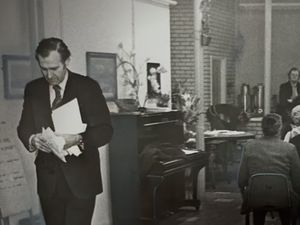
While in prison he suffered three heart attacks, and was released in August, 1979 on health grounds and for good behaviour. He married Sheila in 1981, and they had a child, and Stonehouse earned a living writing novels and making television appearances as a minor celebrity.
On March 25, 1988, he made an appearance on the notorious late-night TV debate show Central Weekend - a bit like the Jeremy Kyle show, only about politics. At the end of filming he collapsed on set, having suffered a heart attack. He was taken to hospital, and died three weeks later.