

During the Second World War, as hundreds of thousands of men left to serve overseas, women across the West Midlands and Shropshire stepped into vital roles to keep the country moving.
From factory floors and railway sidings to farms, air-raid observation posts and munitions workshops, women took on jobs that had once been largely the preserve of men. They operated heavy machinery, helped build aircraft, transported goods and worked the land, playing a crucial part in the war effort.
This collection of pictures captures the determination, hard work and contribution of local women on the home front, showing how they helped keep industry, agriculture and communities going through some of the most challenging years in the nation's history.
Have stories been passed down through your family about women who played their part in the war effort? We’d love to hear them, so please share your memories in the comments below.
- For anyone curious about where their own family story leads, MyHeritage DNA kits are currently £19.90, excluding shipping. The test can help explore genetic origins and identify DNA matches who may share branches of your family tree.
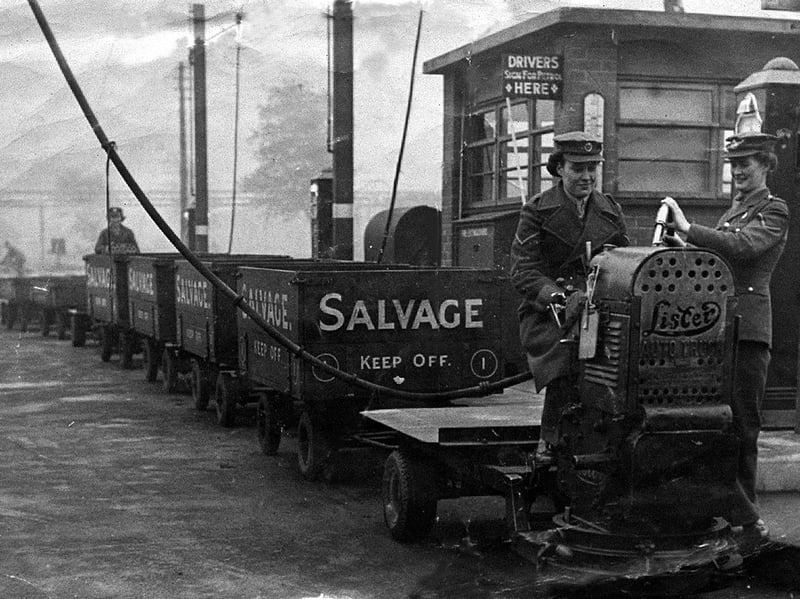
9. Refuelling logistics at COD Donnington
Perched at the controls of a Lister Auto-Truck, Auxiliary Territorial Service (ATS) member Mary Collins (later Mrs Mary Brown) pauses at an outdoor pump depot as a fellow servicewoman tops up the fuel tank, circa 1942 or 1943. Behind them stretches a long train of depot trolleys stencilled with "SALVAGE," tasked with redistributing materials across the sprawling Central Ordnance Depot at Donnington in Shropshire. As male logistics and supply personnel were mobilised to frontline commands worldwide, thousands of ATS women took over the heavy material handling, internal transport, and depot machinery essential to keeping military equipment, spare parts, and ammunition flowing without interruption | Shropshire Star archive
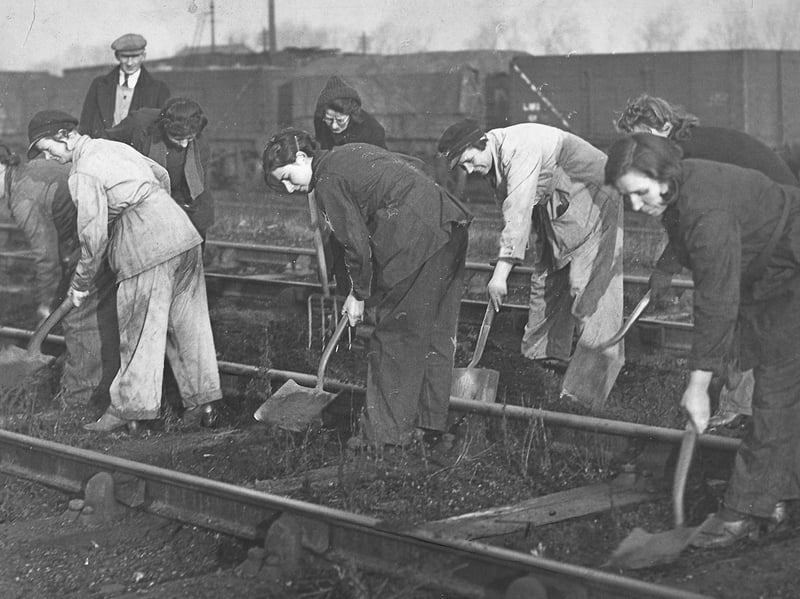
10. Women platelayers on the railway
Shovels and ballast forks break through compacted earth along the permanent way as a gang of female track workers tackles heavy railway maintenance on 20 December 1943. Overseen by a railway supervisor in a flat cap, these women took on the exhausting role of platelayers, clearing debris, packing stone ballast, and securing sleepers beneath the tracks in freezing midwinter conditions. Backbreaking track maintenance had traditionally been considered among the most arduous manual labour reserved strictly for men, but with thousands of railwaymen called away to the battlefields, female maintenance gangs stepped in to ensure essential wartime freight, troop trains, and munitions kept moving without delay. | Express & Star archive
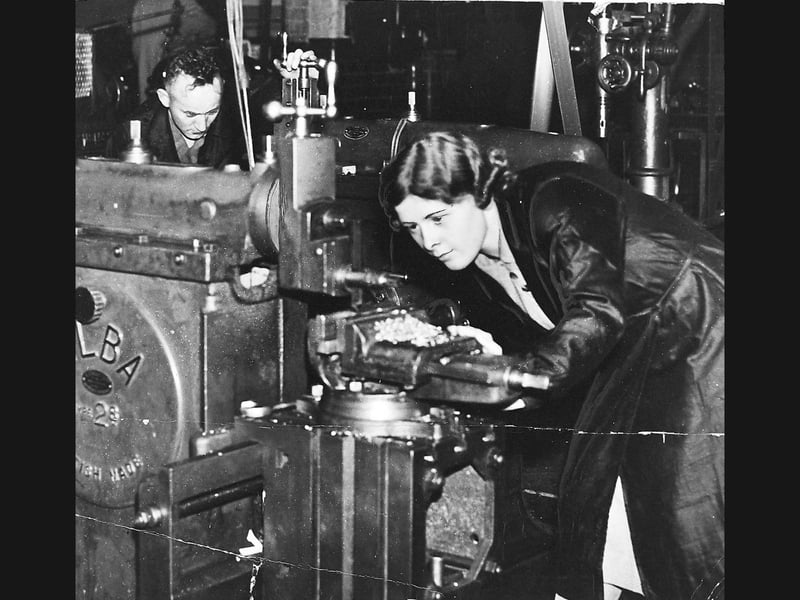
11. Total concentration at Wednesbury County Commercial College
Intense focus guides the adjustments of a young female trainee as she leans over a heavy Alba shaping machine in June 1941. Captured under the headline "Concentration" during her vocational coursework at Wednesbury County Commercial College, she was training to join the growing ranks of skilled munitions workers across the industrial Black Country. As factory floors lost their male machinists to armed service overseas, regional colleges stepped up intensive technical courses to equip thousands of local women with the precision machining, milling, and metalworking skills vital to the nation's wartime survival. | Express & Star archive
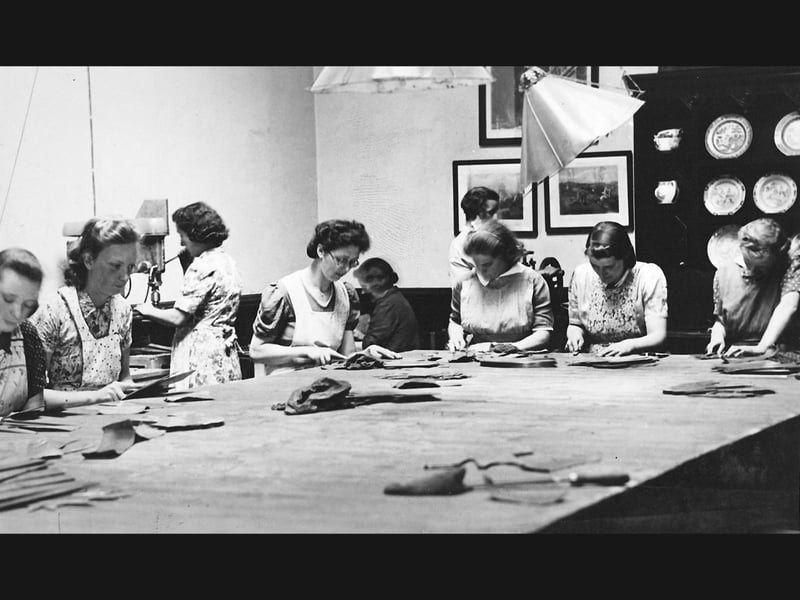
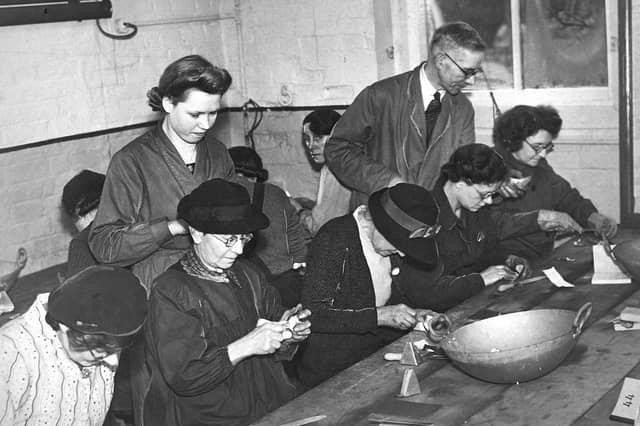
12. Converting a country billiards room into a Bridgnorth munitions depot
Framed pictures and fine china dress the walls as local women hand-finish engineering components around an expansive table in June 1942. Rather than a conventional factory floor, the workshop operated inside the converted private billiards room of a Bilston firm’s governing director near Bridgnorth. Part of an inventive regional scheme that established similar country depots at Enville and near Albrighton, the site mobilised rural women who could not easily travel to town factories, enabling them to take up critical component work while male workers served on foreign battlefields. | Express & Star archive