
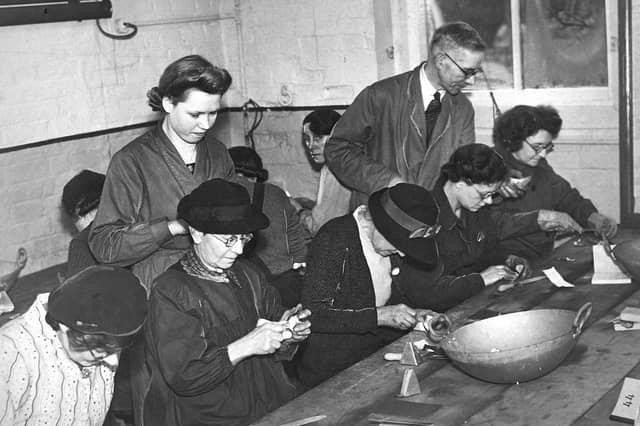

During the Second World War, as hundreds of thousands of men left to serve overseas, women across the West Midlands and Shropshire stepped into vital roles to keep the country moving.
From factory floors and railway sidings to farms, air-raid observation posts and munitions workshops, women took on jobs that had once been largely the preserve of men. They operated heavy machinery, helped build aircraft, transported goods and worked the land, playing a crucial part in the war effort.
This collection of pictures captures the determination, hard work and contribution of local women on the home front, showing how they helped keep industry, agriculture and communities going through some of the most challenging years in the nation's history.
Have stories been passed down through your family about women who played their part in the war effort? We’d love to hear them, so please share your memories in the comments below.
- For anyone curious about where their own family story leads, MyHeritage DNA kits are currently £19.90, excluding shipping. The test can help explore genetic origins and identify DNA matches who may share branches of your family tree.
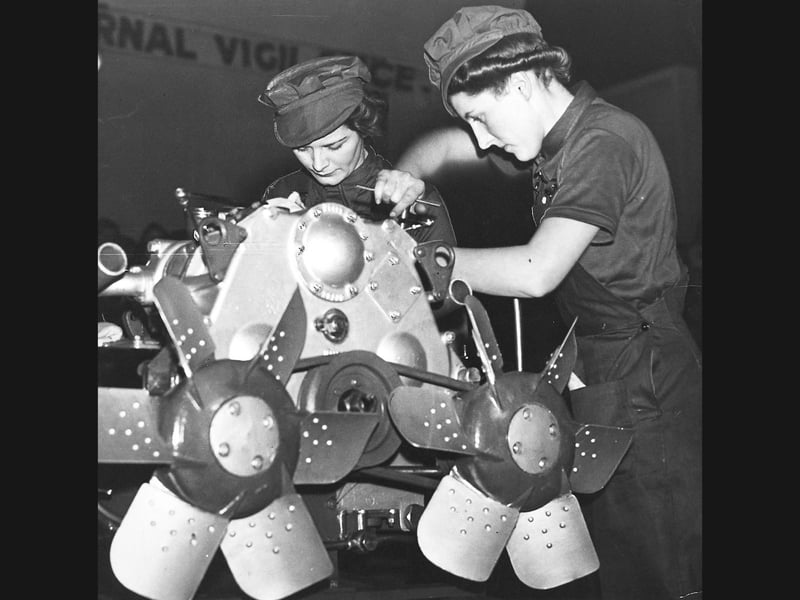
5. Precision engineering at Wolverhampton’s Civic Hall pageant
Wearing dark overalls and peaked work caps, two female engineers lean intently over machinery to carry out adjustments during the "Women in War" pageant in March 1942. Held at Wolverhampton’s Civic Hall beneath a patriotic banner reading "Eternal Vigilance," the live demonstration showcased the high level of technical skill mastered by women who stepped up to fill critical roles left vacant by men fighting abroad. Precision tasks once considered exclusively male trades, such as assembling, calibrating, and servicing crucial aviation components, had become second nature to a dedicated local workforce helping keep Allied aircraft operational. | Express & star archive
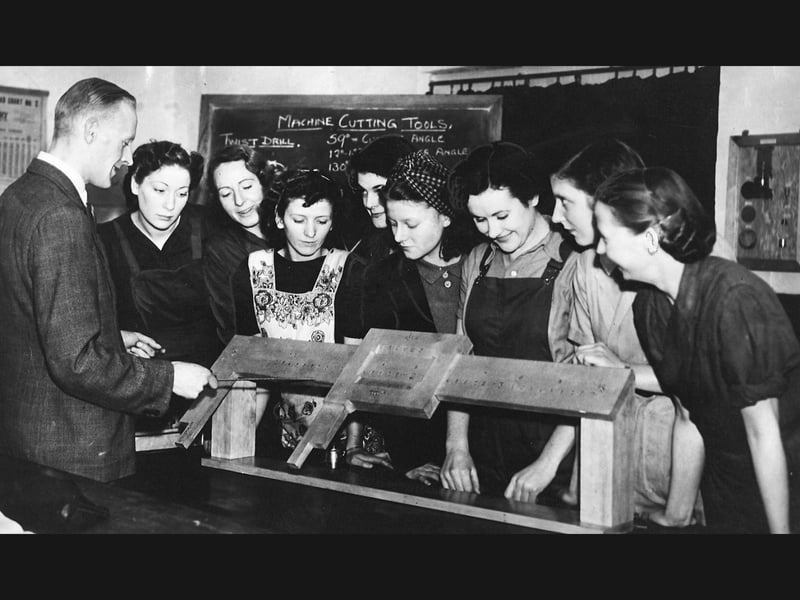
6. Learning the angles of munitions work at Villiers Engineering
A chalkboard covered in tool angles and cutting specifications forms the backdrop as female recruits study an oversized gauge and model in October 1942. Renowned before the war for manufacturing motorcycles and cycle components, Villiers Engineering Company, Wolverhampton, adapted its production lines to produce vital fuses for artillery shells. Under the direction of an instructor, new female workers mastered precise engineering techniques to replace men called up for combat, quickly becoming the skilled hands behind millions of precision munitions delivered to Allied frontlines. | Express & Stasr archive
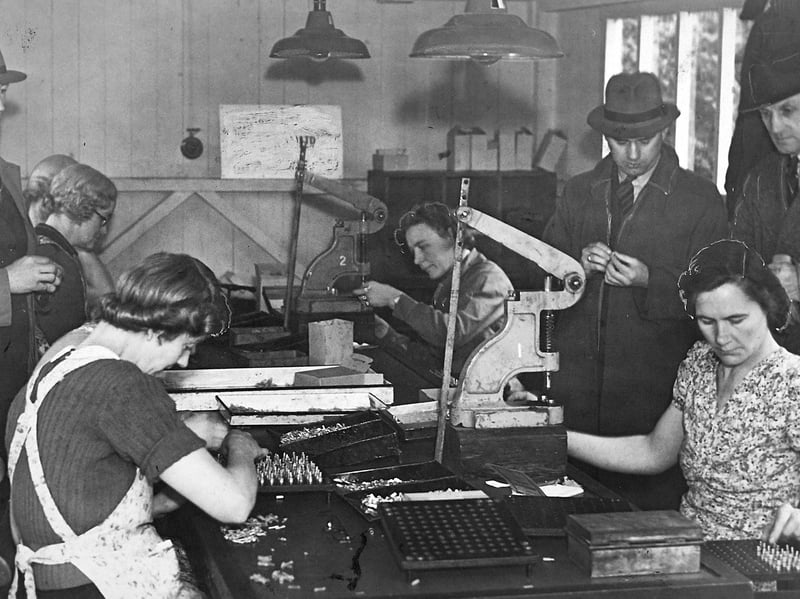
7. Official inspection at the Codsall stable war factory
Hand-operated fly presses clatter alongside rows of sorting trays as village women assemble small components under the watchful eyes of visiting officials on 5 May 1943. Visiting the converted stables to observe production firsthand are technical officer Mr G T Brown (left) and district manager Mr F D Kilby (second from right) from the Ministry of Production, accompanied by factory management. With local men away on active service, operations like this improvised workshop demonstrated how civil authorities and rural communities mobilised every available pair of hands to maintain vital wartime supply lines. | Express & Star archive
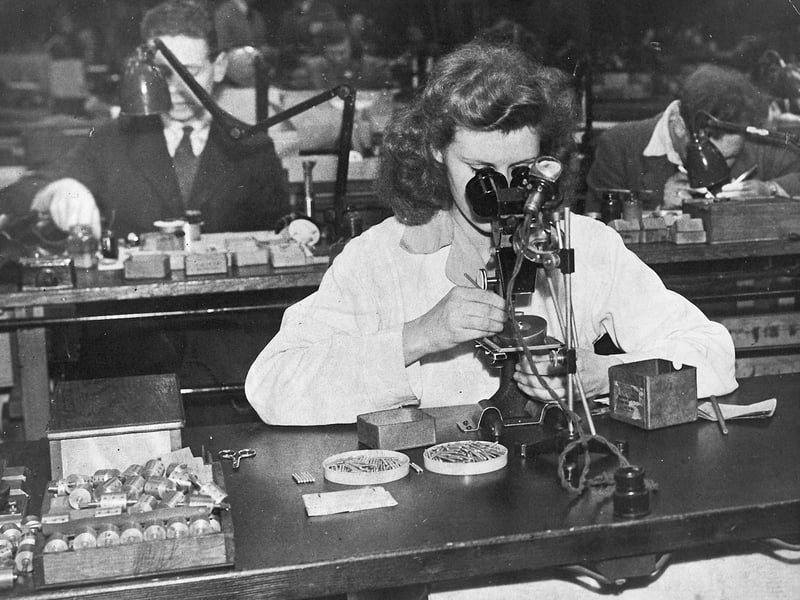
8. Microscopic precision at English Electric in Stafford
Peering intently through a high-powered binocular microscope, an inspector examines miniature components at the English Electric Co. works in July 1945. With electrical apparatus for military communication, radar, and combat vehicles engineered to microscopic tolerances, accurate inspection by the naked eye was impossible. Skilled female technicians were specially employed across the plant's testing benches to detect the smallest flaws in these delicate parts, stepping into demanding technical roles while men served on active fronts and ensuring frontline Allied forces received flawless electrical equipment. | Express & Star archive