
During the Second World War, as hundreds of thousands of men left to serve overseas, women across the West Midlands and Shropshire stepped into vital roles to keep the country moving.
From factory floors and railway sidings to farms, air-raid observation posts and munitions workshops, women took on jobs that had once been largely the preserve of men. They operated heavy machinery, helped build aircraft, transported goods and worked the land, playing a crucial part in the war effort.
This collection of pictures captures the determination, hard work and contribution of local women on the home front, showing how they helped keep industry, agriculture and communities going through some of the most challenging years in the nation's history.
Have stories been passed down through your family about women who played their part in the war effort? We’d love to hear them, so please share your memories in the comments below.
- For anyone curious about where their own family story leads, MyHeritage DNA kits are currently £19.90, excluding shipping. The test can help explore genetic origins and identify DNA matches who may share branches of your family tree.
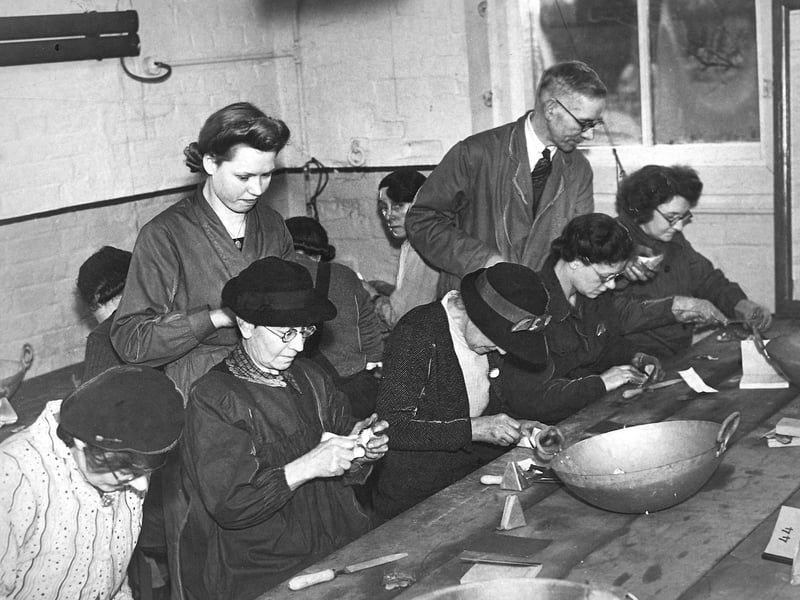
1. Turning village stables into a frontline workshop in Codsall
Dressed in work overalls and winter hats, local women gather around long wooden workbenches in February 1943 to do their bit for the war effort. Set up in converted stables at Codsall, this ingenious village "war factory" saw local hands take on essential component work paid at piece rates, organised in close cooperation between the Codsall War Industries Committee and a Bilston manufacturing firm. Under the watchful eye of an instructor, village women stepped up to replace men called away to combat, transforming an unassuming rural outbuilding into a bustling hub of vital wartime production. | Express & Star archive
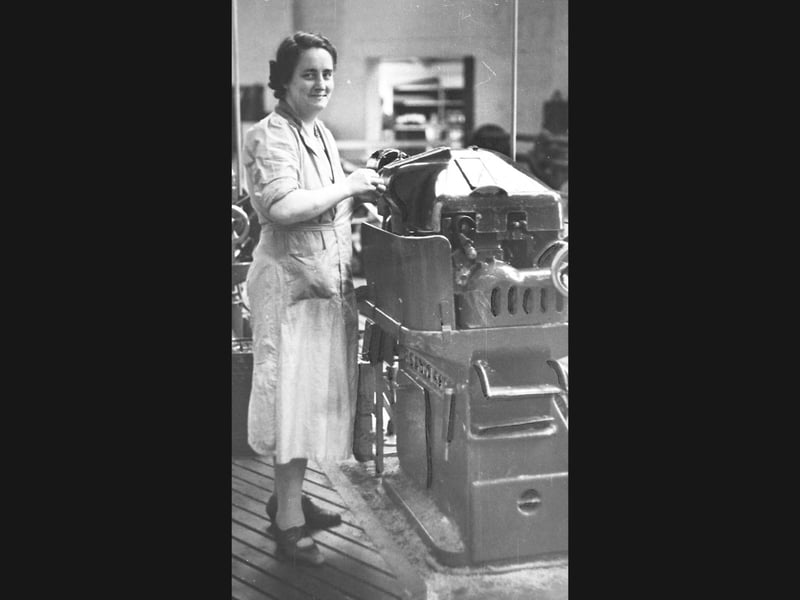
2. Trading domestic life for the industrial frontline
Pictured beside her machine in an overall coat and heeled shoes, a cheerful West Midland housewife beams with pride during a factory shift in August 1940. Describing her new wartime role as "very pleasant, very clean, very nice," she was one of around 400 women recruited to work under modern industrial conditions at the site, stepping straight from running a home into supporting the nation's wartime output while men fought across the globe. As the caption noted, she remained clean, fresh, and smiling even after a demanding morning at the controls. | Express & Star archive
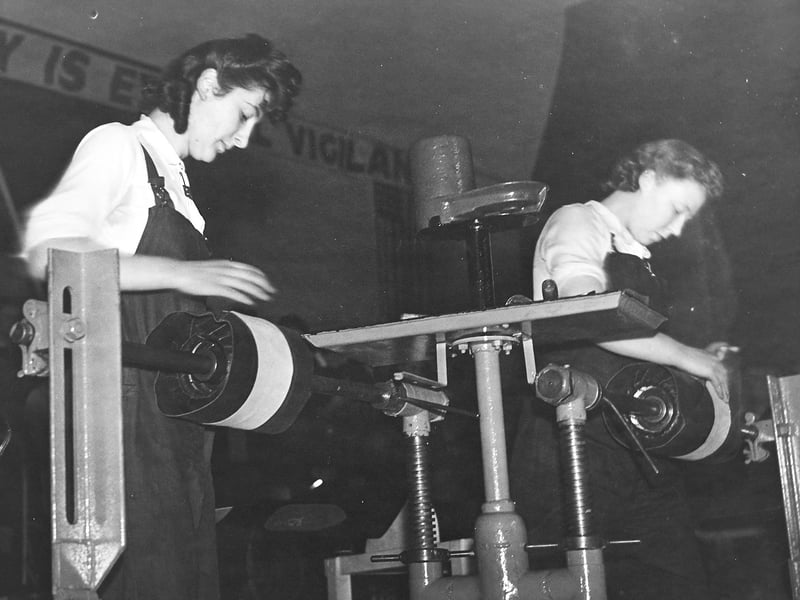
3. Goodyear women take centre stage in Wolverhampton
Dressed in work dungarees and blouses, two female factory hands demonstrate the demanding art of tyre manufacturing before an audience at Wolverhampton's Civic Hall in March 1942. Staged as part of the "Women in War" pageant beneath banners urging vigilance, the exhibition highlighted the vital industrial work carried out by local women at the town's major Goodyear plant. With thousands of male workers deployed overseas, these skilled operators stepped onto the factory floor to keep Britain's military transports, aircraft, and essential supply fleets rolling forward. | Express & Star archive
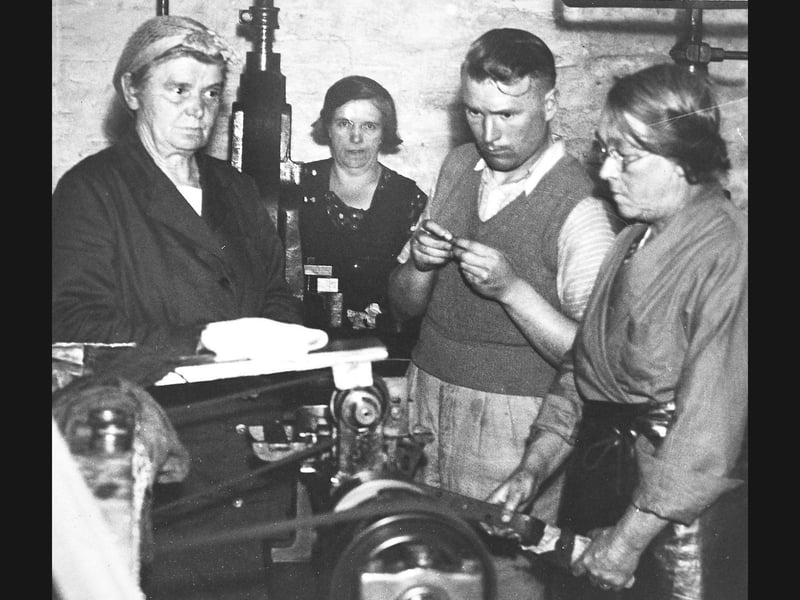
4. Grandmothers join the machine lines in Shropshire
Belt-driven pulleys hum in the background as works foreman Mr A W Davis carefully checks a newly machined part on 16 September 1943. Operating the equipment are grandmothers Mrs M J Broxton (left), who was turning 65 on her next birthday and had five grandchildren, and Mrs M J Williams (right), aged 59. Rather than resting in retirement, older women throughout Shropshire answered the national call for factory labour when younger men and women were called away to the armed forces, demonstrating that age was no barrier to mastering industrial machinery and keeping vital war production running smoothly. | Express & Star archive