
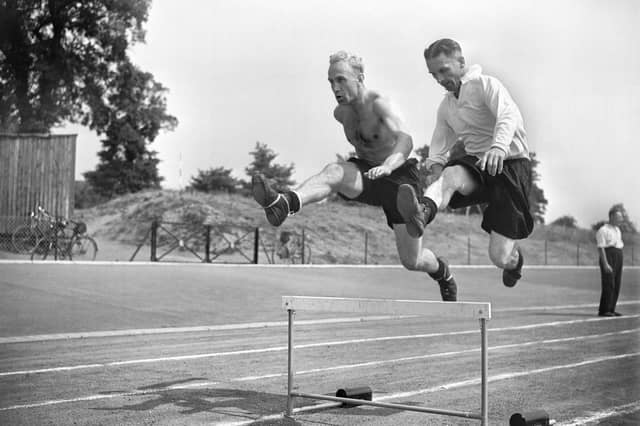

Take a trip back to 1955 with this gallery from Wolverhampton, Staffordshire and the Black Country.
It offers a fascinating glimpse into everyday life in the post-war years, capturing the people, places and moments that shaped the region.
From streets and landmarks to royal visits, sporting scenes, local events and the railway, discover a changing landscape and the communities at its heart.
The gallery is presented in no particular order, with plenty of interesting scenes and memories from more than seven decades ago.
Do you remember any of these places or events? Share your memories in the comments.
- You can enjoy this and more with our weekly FREE Nostalgia Newsletter - with scores of archive pictures and exclusive features on the history of Wolverhampton, Staffordshire and the Black Country - all sent to your inbox every week. Sign up here.
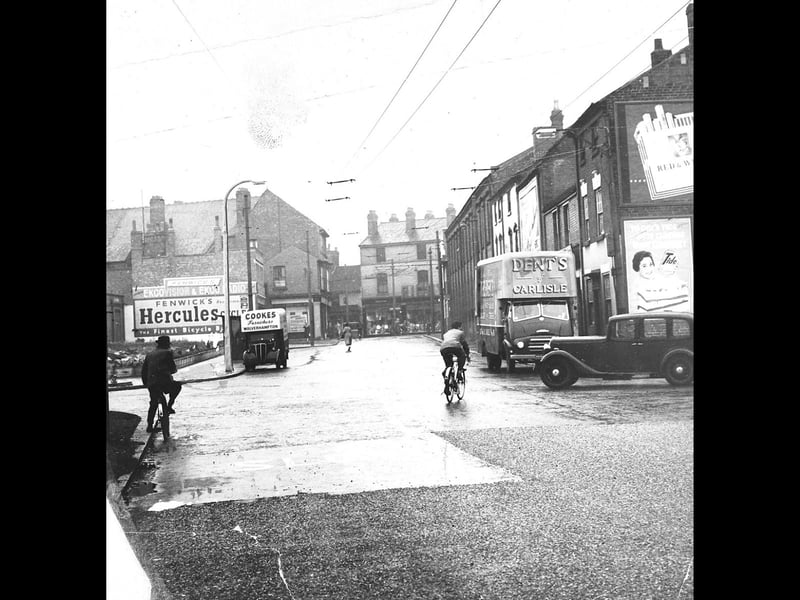
29. Growing traffic concerns at crossroad
Cyclists navigate the wet tarmac at the busy junction of Brickkiln Street and School Street in Wolverhampton on September 22, 1955. The scene highlights local concerns over rising traffic levels as more vehicles moved through the newly improved crossroad. Period delivery lorries - including a van for Dent's of Carlisle and another for Cookes Furnishers - sit parked along the street alongside giant painted hoardings advertising Hercules Bicycles, Ekco Radio, and Tide washing powder. Despite the surge in motor traffic, the busy intersection was still protected only by basic slow signs, prompting calls for greater safety measures. Do you remember this busy corner near Brickkiln Street and School Street before modern traffic systems were introduced? What local shops or classic poster advertisements from around town do you recall from the 1950s? | Express & Star archive
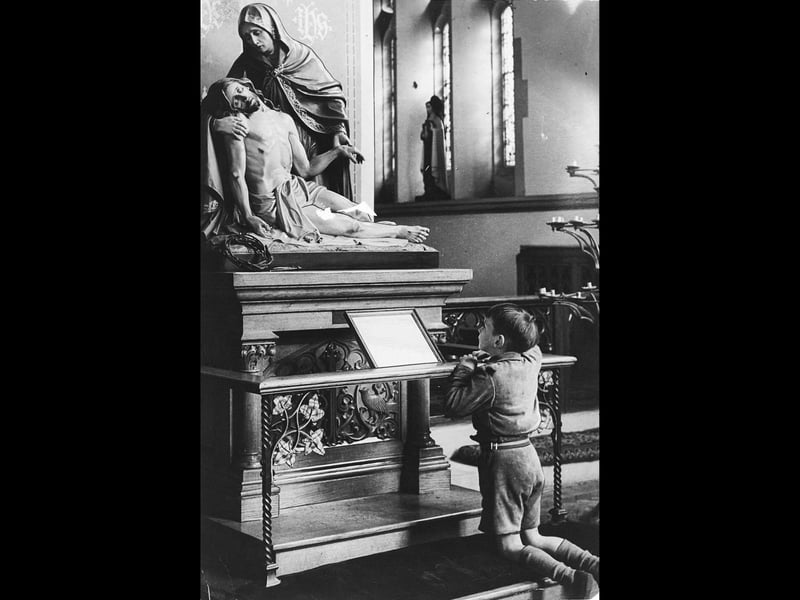
30. A quiet moment of faith on Snow Hill
Kneeling reverently with hands clasped in quiet prayer, a young schoolboy in short trousers gazes up toward a detailed Pieta statue inside St Mary and St John Church in April 1955. Located on Snow Hill, the historic Roman Catholic church served as a serene sanctuary amidst the noise and bustle of industrial Wolverhampton. Soft light filters through the tall arched windows, casting a gentle glow over the carved wooden altar rail and devotional shrines. The poignant photograph beautifully captures the solemnity, faith, and quiet personal moments that defined daily spiritual life for local families during the post war era. Do you remember attending services, First Communions, or quiet moments of prayer at St Mary and St John on Snow Hill back in the 1950s? What other local churches or parish communities held a special place in your family's life in Wolverhampton? | Express & Star archive
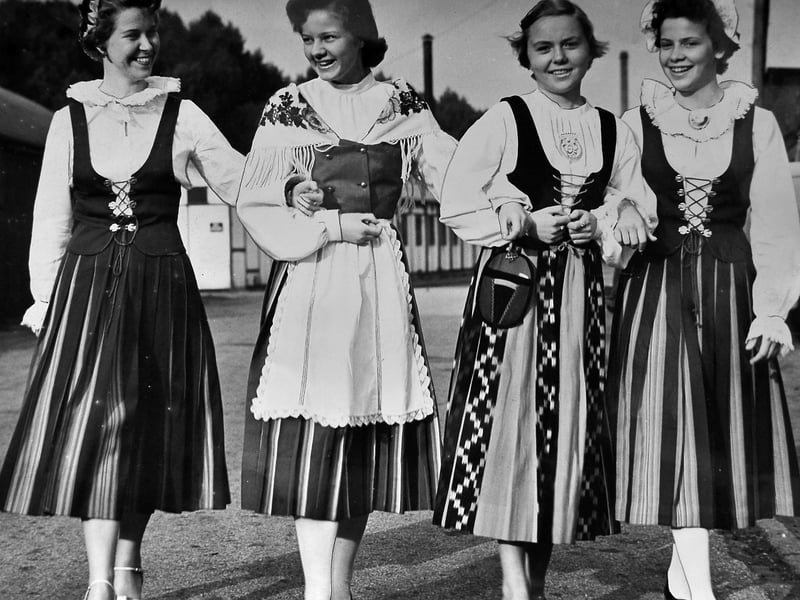
31. A touch of Nordic tradition strolls through town
Smiling arm-in-arm, four young visitors from Finland add a vibrant touch of international colour to Stafford while wearing their traditional Finnish national costumes on July 8, 1955. Dressed in beautifully embroidered aprons, laced bodice vests, crisp white blouses with frilled collars, and striped pleated skirts, the group walked the local streets as part of a post-war cultural exchange visit. Capturing a charming moment of international friendship, the photograph reflects the growing civic ties and cultural events that brought visitors from across the globe to the area during the 1950s. Do you remember seeing international visitors or cultural exchange delegations visiting Stafford back in the mid-1950s? Did your school, youth group, or community organisation ever host guests from abroad during those post-war years? | Express & Star archive
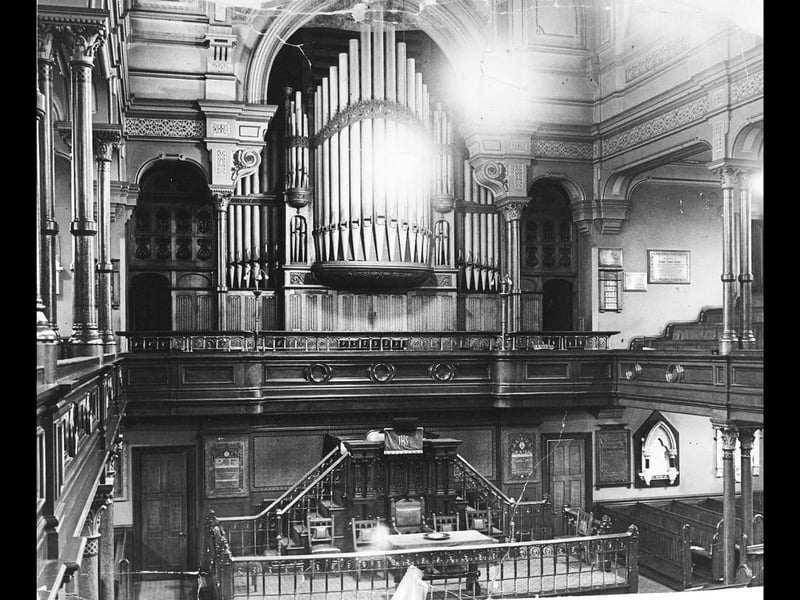
32. Ornate pipes and carved timber inside a landmark sanctuary
The majestic interior of Queen Street Congregational Church in Wolverhampton is showcased in all its ornate glory in 1955. Dominating the upper gallery, a magnificent pipe organ featuring tall, gleaming silver pipes rises within a arched recess above carved wooden balconies. Below, an elevated central pulpit with twin staircases stands surrounded by dark timber balustrades, communion tables, and polished columns supporting surrounding galleries. Serving as one of the town's key Nonconformist places of worship for well over a century, the imposing sanctuary offered both a grand setting for Sunday worship and a vibrant hub for community gatherings during the post-war era. Do you remember attending services, weddings, or concerts inside Queen Street Congregational Church back in the 1950s? What memories do you have of the grand interior or hearing the pipe organ played during services? | Express & Star archive