

Take a trip back to 1955 with this gallery from Wolverhampton, Staffordshire and the Black Country.
It offers a fascinating glimpse into everyday life in the post-war years, capturing the people, places and moments that shaped the region.
From streets and landmarks to royal visits, sporting scenes, local events and the railway, discover a changing landscape and the communities at its heart.
The gallery is presented in no particular order, with plenty of interesting scenes and memories from more than seven decades ago.
Do you remember any of these places or events? Share your memories in the comments.
- You can enjoy this and more with our weekly FREE Nostalgia Newsletter - with scores of archive pictures and exclusive features on the history of Wolverhampton, Staffordshire and the Black Country - all sent to your inbox every week. Sign up here.
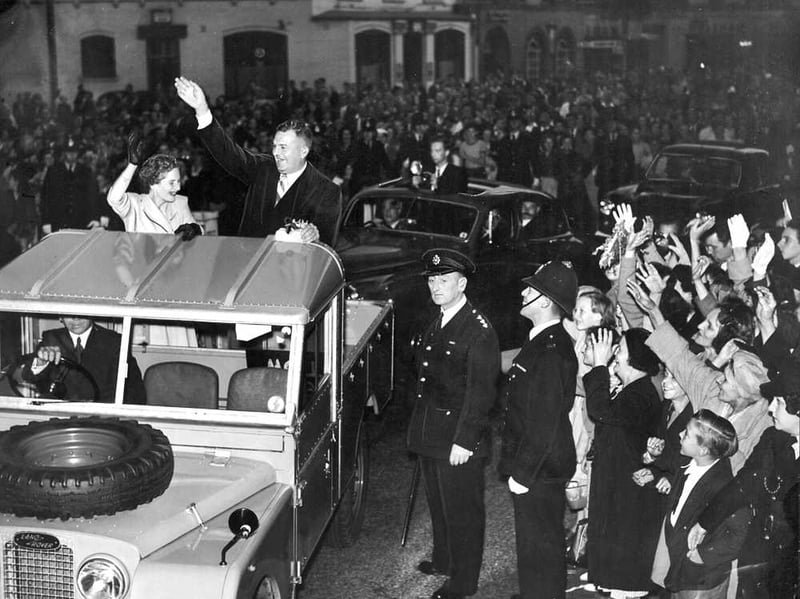
25. A triumphant hero's welcome in Walsall for 'Channel' Bill
Standing tall in the back of an open-top Land Rover, marathon swimmer Bill Pickering waves joyfully to thousands of cheering supporters packed along the streets of Walsall in 1955. Fresh off his record-breaking feat of swimming the English Channel, the Bloxwich hero receives a rousing civic welcome as local police officers escort his motorcade through the dense, enthusiastic night-time crowds. Cheering onlookers reach out their hands to catch a glimpse of the hometown champion, capturing a unforgettable moment of local pride that brought the whole town together in celebration. Do you remember joining the massive crowds in Walsall to welcome Bill Pickering home after his famous Channel swim? What other unforgettable homecoming parades or civic celebrations do you recall from around the Black Country in the 1950s? | Express & Star archive
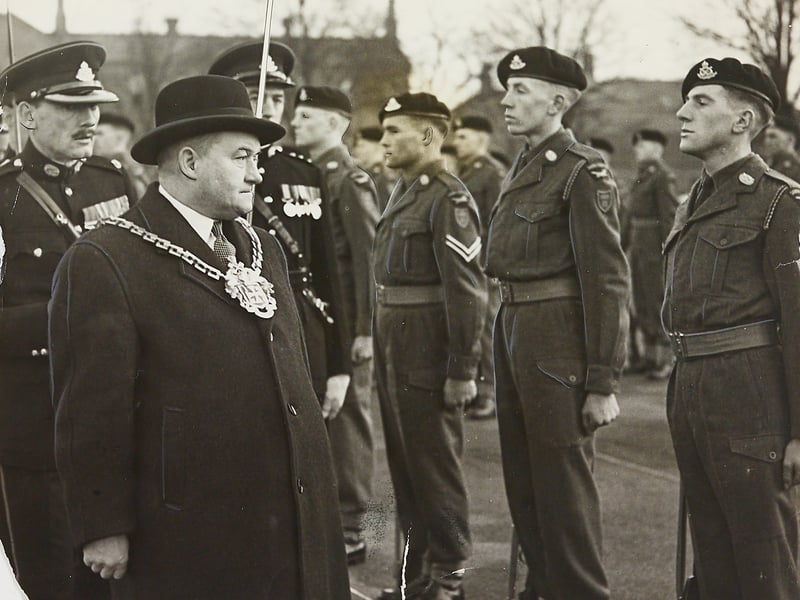
26. Mayoral inspection at Whittington Barracks
Wearing his civic chain of office and traditional bowler hat, Mayor of Wolverhampton Alderman L J Woolridge inspects a company of young soldiers from the South Staffordshire Regiment at Whittington Barracks, Lichfield, in February 1955. Accompanied by commanding officer Major W L Cole, the civic leader walks alongside the disciplined ranks of recruits standing strictly to attention in their thick woollen uniforms and berets during the formal passing out parade. The ceremony highlights the long and proud connection between local civic leadership and Staffordshire's historic military regiments during the National Service era. Do you remember attending passing out parades at Whittington Barracks or completing National Service with the South Staffordshire Regiment in the 1950s? What memories do you have of civic occasions led by Mayor Woolridge during his time in office? | Express & Star archive
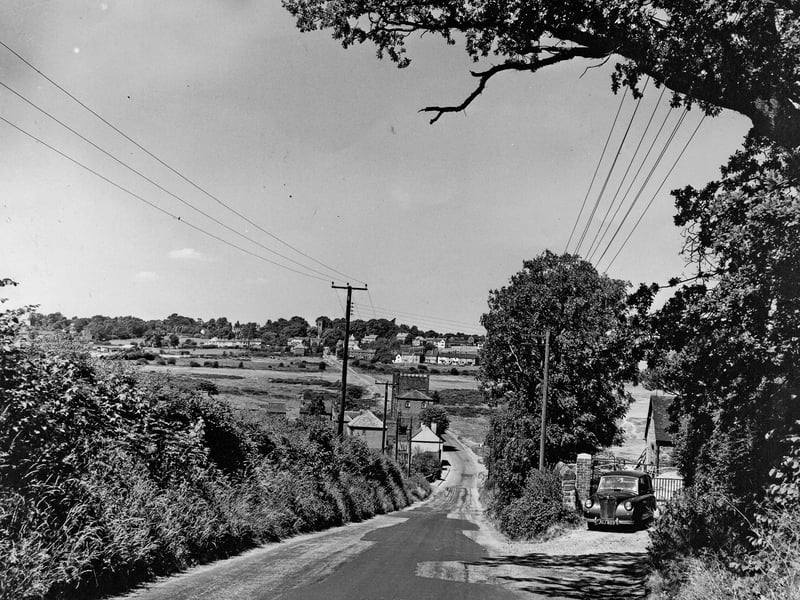
27. A idyllic summer view down Penn Common
Sweeping down a sunlit country lane bounded by high hedgerows and overhanging oak branches, this serene scene captures Penn Common in July 1955. A lone vintage car sits parked on the gravel drive of a cottage to the right, while telegraph poles line the quiet asphalt as it dips towards distant village rooftops and open green fields. Offering a peaceful, semi-rural contrast to the bustling industrial areas of nearby Wolverhampton, the Common remained a popular spot for summer walks, picnics, and fresh air for local families seeking a quick escape into the countryside. Did you ever go for summer walks or family outings across Penn Common back in the 1950s? How much do you think this peaceful vista has changed over the decades? | Express & Star archive
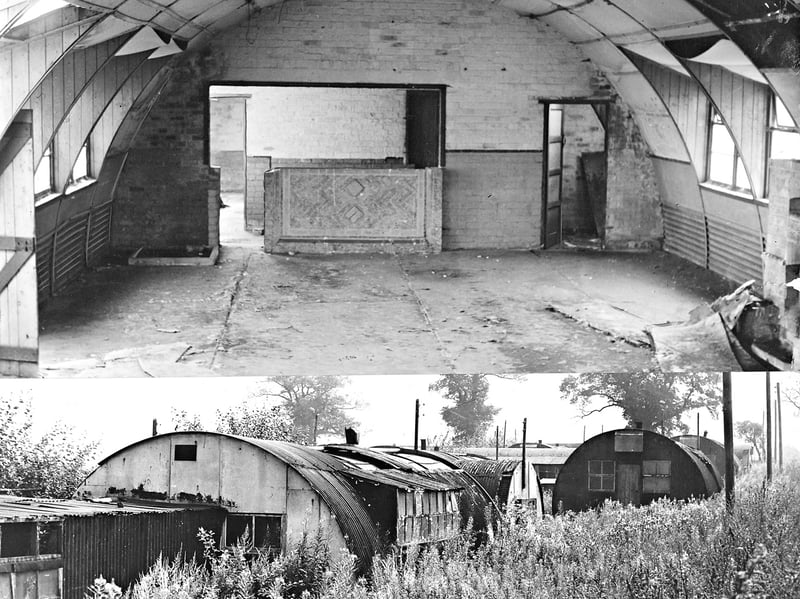
28. Echoes of wartime defence at an abandoned army camp
Overgrown with tall weeds and falling into disrepair, the derelict Nissen huts of the former anti-aircraft army camp at Bromley Lane, Kingswinford, stand as a silent "ghost town" in August 1955. The composite photograph reveals both the decaying interior of a curved corrugated hut and the dense jungle of flora encroaching on the exterior buildings. Established during the early years of World War II to house hundreds of personnel defending Brierley Hill's vital industrial centres from Luftwaffe air raids, the nine-acre wartime site lay unused for nearly a decade before being officially derequisitioned by the War Office to be returned to farmland. Do you remember seeing the old Nissen huts along Bromley Lane before the camp was cleared and returned to agricultural use? Did you or anyone in your family serve at local anti-aircraft sites across the Black Country during the wartime years? | Express & Star archive