
National changes to planning decisions will be 'erosion of local democracy', warn Staffordshire councillors
Cllr Wilkinson rejected the idea that the planning system needs to be made more efficient.
National changes to the planning system will be a ‘serious erosion of local democracy’, councillors have warned.
New regulations come into effect on Saturday that will mean most planning decisions will have to be delegated to professional officers instead of being taken by elected councillors.
Councillors will also lose the power to ‘call in’ controversial applications to the planning committee.
The government says the changes will make decision-making more efficient and speed up development and economic growth.
But critics believe they will undermine local democracy by cutting elected councillors out of the vast majority of planning decisions, with more decisions being made in private rather than in public meetings.

While many planning decisions are already taken by officers – with the proportion varying from council to council – the new system includes strict rules on which applications can be decided by councillors.
All ‘Schedule 1’ applications – including minor residential schemes of up to nine homes, minor commercial schemes, household extensions and prior approval applications – will have to be determined by officers.
All other applications will fall into ‘Schedule 2’ – these can potentially be sent to the planning committee for determination. Whether they are or not will be decided by the chief planning officer and the chair of planning – if they disagree, the officer will have the final say.
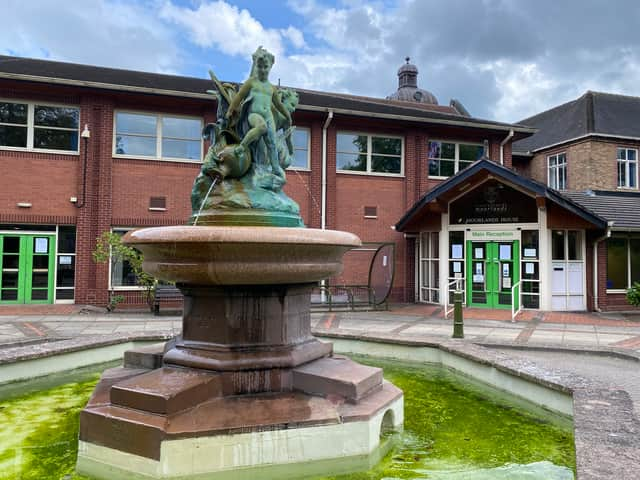
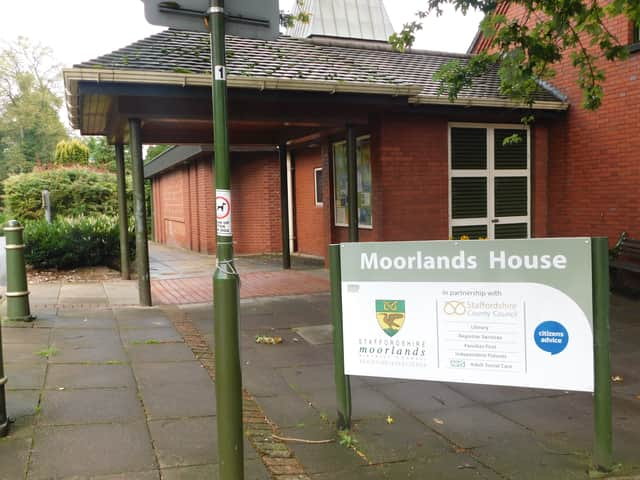
Elected members at Staffordshire Moorlands District Council voted to incorporate the new national rules into the authority’s scheme of delegation at a council assembly meeting.
But they also passed a motion noting their ‘strong opposition’ to the new system and calling for a letter to be sent to government raising concerns over the ‘loss of democratic accountability’ and asking for the changes to be reconsidered.
Planning committee chair Peter Wilkinson, who proposed the motion, said the changes risked making local people feel further removed from decisions affecting their lives.
He said: “To me, 1 November is a very sad day for this council. From that day elected councillors will have lost an important power to represent the people who elected them.
“We will no longer be able to call schedule 1 planning applications before the planning committee. I believe this is a serious erosion of local democracy and a damaging blow to public confidence in the planning system.
“I know first hand the importance of democratic scrutiny. I’ve seen elected members question recommendations, listen to residents’ concerns and exercise independent planning judgement.”
Cllr Wilkinson rejected the idea that the planning system needs to be made more efficient. He added: “Democracy should never be treated as an inconvenience. Public accountability must not be sacrificed simple to save time or money.”
Conservative councillor James Aberley believes it is important that controversial applications can be called in and debated in public.
He said: “At the moment, if residents in my ward are worried about an application, they can come to me. If I think it raises real issues, I can ask for it to be heard in public by the planning committee, where everyone can see the arguments and how the decision was reached. On 31 October, that right goes.
“What problem was this meant to solve? Since I was elected in 2019 I’ve only called in a small handful of applications, and I don’t see any councillors abusing the call-in system. It’s used sparingly for the applications that really matter to our communities. So this seems like a sledgehammer to crack a nut, and I’m not sure there is a nut.”
Councillor Paul Roberts, who has been a member of the planning committee since 2003, added: “I know first-hand the importance residents place on us to scrutinise planning applications and decide if we need to call them in. I have concerns that decisions that are of significant importance to a community could be taken without the level of public scrutiny that a planning committee provides.”
The district council was placed in special measures for planning earlier this year, due to a high proportion of its decisions on major applications being overturned on appeal.
This means that developers can currently bypass the council and submit major applications directly to the planning inspector.
Darren Price, portfolio holder for regeneration and planning at the Labour-run council, told the meeting that he hoped the authority would be able to come out of special measures in the new year, with regular meetings being held with government officials.
But he suggested that this could be jeopardised by publicly challenging the government’s planning policy.
Cllr Price said: “If we send a letter to the very same minister that we’ve got issues around their changes to the planning, I’ve got a concern about how that will impact on our intention to come out of special measures.”
Labour councillor Mike Haines argued that elected members and residents would still have a voice under the new planning system, even if more decisions will be taken by officers.
He said: “Residents still have a say. Councillors still have a say. We can still put those representations in. They can be done online during the consultation stage. It’s important that we all take the opportunity to do that. Those comments will still be reviewed by the officers, and they will reflected in the reports whether it goes to committee or not.”
Under the new system, councils will still publish each planning decision and the reasons for them in publicly accessible documents.
Comment Guidelines
Iconic Media encourages reader discussion on our stories. User feedback, insights and back-and-forth exchanges add a rich layer of context to reporting. Please review our Community Guidelines before commenting.