
UK Drive: Has Suzuki cracked the EV sector with the e Vitara?
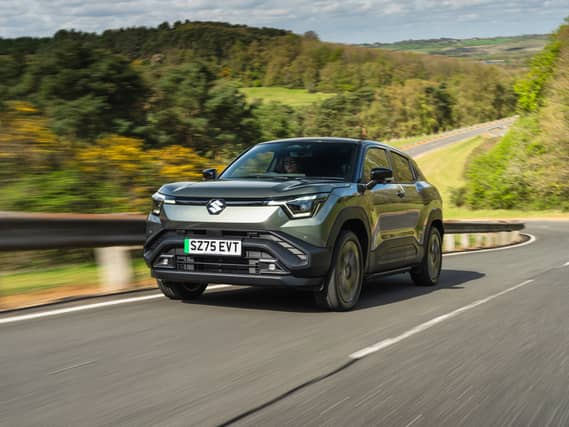

The Japanese firm is rather late to the EV party, so is its first battery-powered offering a worthy contender? Cameron Richards finds out.
What is it?
Cars like the Swift and Jimny have proved popular choices among British buyers, thanks to their cheeky styling, generous equipment levels and dependability.
However, the Japanese firm has never focused on the EV sector…until now. Introducing the e Vitara, an electric compact crossover designed to take on cars such as the Ford Puma Gen-E and Renault 4. So, does this battery-powered Suzuki have what it takes to elevate it to the top of the class? Let’s find out.
What’s new?
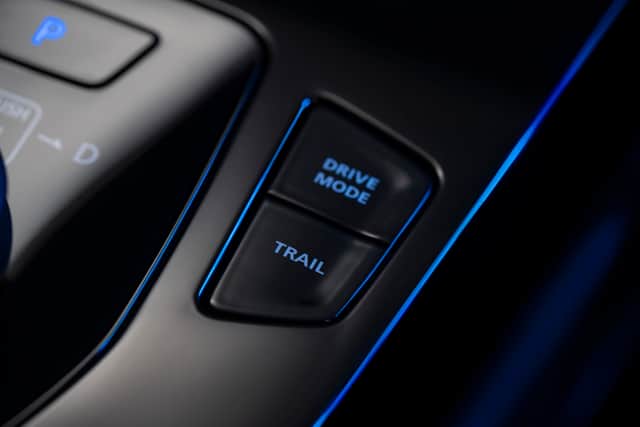
To differentiate the two cars, the Suzuki features a few more subtle exterior styling tweaks on its front nostril and tailgate. You can also get it with Suzuki’s ‘AllGrip-e’ all-wheel drive system to aid traction on slippery road surfaces.
There is a choice of two trim levels and two battery packs, while all e Vitaras are eligible for Suzuki’s ‘Suzuki Granted’ electric vehicle grant, which will slash £3,750 off their list prices, to make prices more competitive.
What’s under the bonnet?
The setup is paired to dual electric motors to produce 181bhp and 307Nm of torque, while 60mph comes round in 7.2 seconds and the car runs out of puff at 93mph.
Suzuki claims that the car can travel up to 245 miles on a single charge; however, we were only averaging 2.4 miles per kilowatt, which works out to be around 146 miles in the real world – way off the manufacturer’s claimed figure.
The smaller 49kWh model uses a single electric motor that develops 142bhp and 193Nm of torque, while it can manage up to a claimed 213 miles between top-ups.
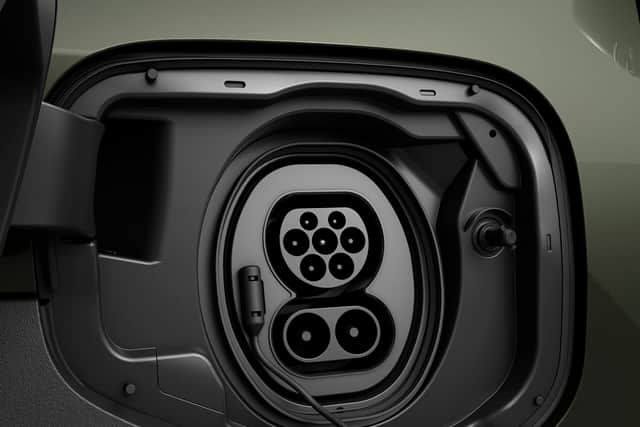
In terms of DC rapid-charging, all e Vitaras can be charged at speeds of only 70kW, which means 10 to 80 per cent takes 45 minutes.
What’s it like to drive?
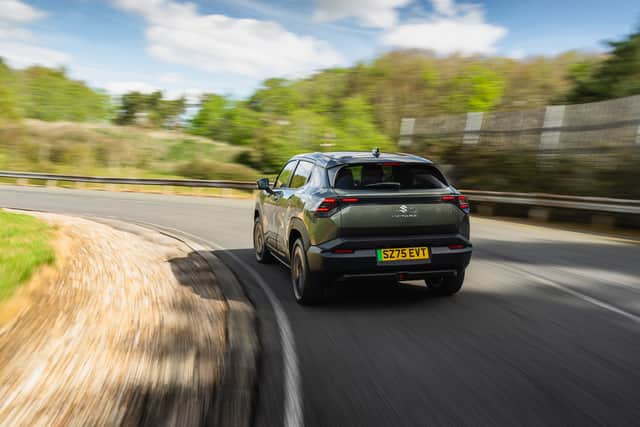
Sadly, the e Vitara feels way off the pace next to its rivals with the biggest criticism coming from the suspension. The poor damping makes the car feel stiff at any speed with the chassis always fidgeting and never settling down.
Around the twisty bits, there is a lot of body roll and the square-shaped steering wheel feels awkward to use and doesn’t feel natural in your hand. The steering itself is also numb and lacks any feel, which makes the whole driving experience bland and uninspiring.
At least around town, the car’s excellent turning circle makes it much easier to manoeuvre, while the dual-motor setup in our test car feels spritely and provides a decent amount of performance.
The car’s all-wheel drive system is good too, offering good levels of grip and making the car feel more stable over slippery road surfaces.
How does it look?
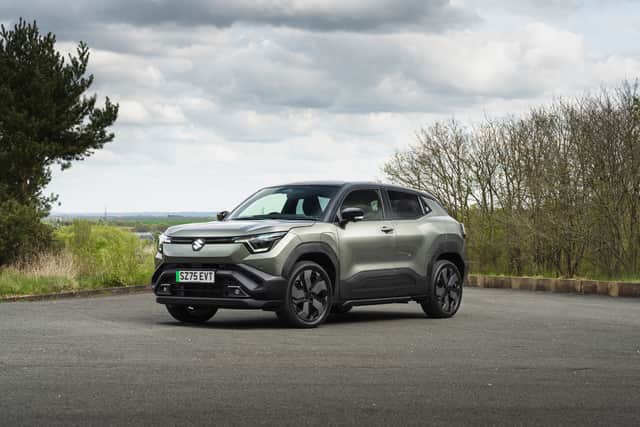
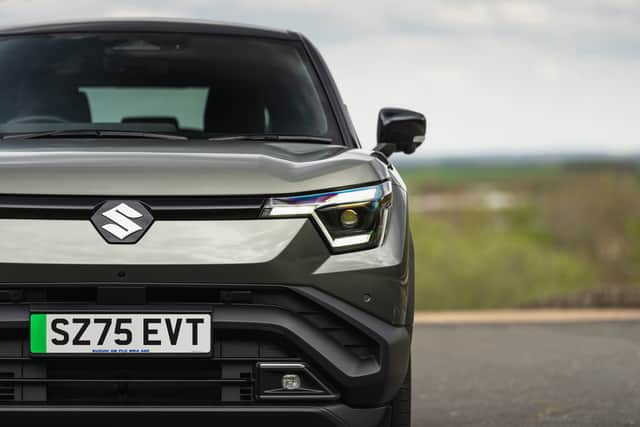
The changes are found at the front, with the Suzuki featuring larger front headlights, a slimmer front grille and a more pronounced front bumper.
At the back, the e Vitara’s rear taillights have the same stacked-up lighting-effect as the Toyota, though the Suzuki features standard LEDs compared to the Urban Cruiser’s pixelated design.
What’s it like inside?
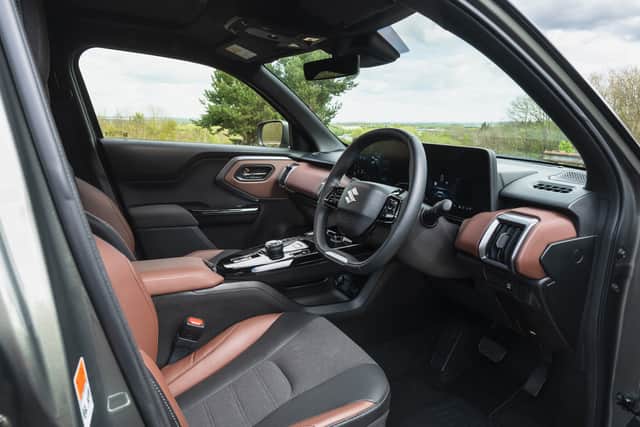
The plastics found throughout the cabin feel cheap, with only a small section of the dashboard featuring soft materials.
At least storage in the car is good with decent-sized door bins, a large underneath centre armrest cubby hole, a large cut-out under the floating centre console and two cupholders.
In the back, there is plenty of leg and kneeroom for occupants, but the low roofline means that headroom is tight even for average-sized adults.
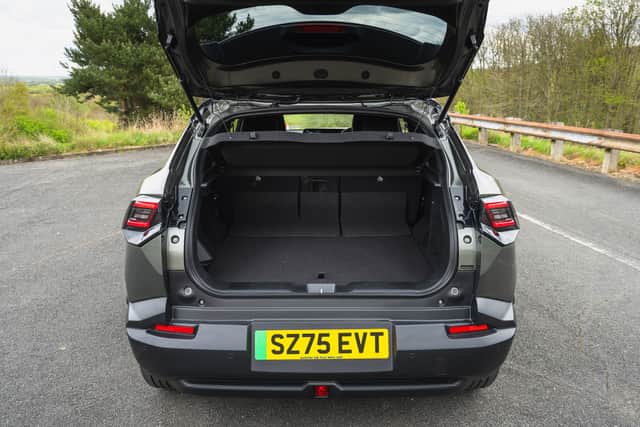
Boot space is tiny with the e Vitara providing just 244 litres of space, making it one of the smallest in its class. Thankfully, the rear seats can slide forwards to increase the space to 310 litres, though that is still way off the mark from the Ford Puma Gen-E’s 523 litres of room.
What’s the spec like?
To help keep prices affordable, all models are eligible for Suzuki’s ‘Suzuki Granted’ scheme, which will slash £3,750 off list prices, taking the starting price down to £26,249 for the entry-level car.
All models come with keyless entry with push button start, adaptive cruise control, a reversing camera, LED headlights, climate control and DAB digital radio.
Our flagship Ultra AllGrip-e all-wheel drive car with a few options ticked comes in at a pricey £38,449 – including the Suzuki grant – and boasts a fixed glass panoramic roof, a 10-way electrically adjustable driver’s seat, a 360-degree camera, heated steering and heated front seats.
Verdict
Suzuki needs to try harder if it wants to succeed in the competitive world of electric SUVs.
The e Vitara falls behind in many key areas against its rivals with average driving dynamics, poor efficiency, limited practicality and slow DC charging speeds.
If you’re looking for a compact electric SUV, we’d recommend taking a look at the Ford Puma Gen-E, Hyundai Kona Electric and Renault 4, as they are all better to drive, have nicer interiors, are more efficient and represent better value for money.