Waymo driverless taxis: What are they and how do they work?
Driverless taxis are arriving in London this year, with Waymo planning to pilot-test its vehicles around the capital in April.
Driverless taxis are set to make their debut in London this year, with the American firm Waymo kickstarting this ultra-modern mode of transport in April.
It comes as part of the government’s plan to amend the Automated Vehicles Act in the second half of this year to enable driverless taxis to operate in and around the capital, with a date for the change to be confirmed in due course.
Waymo is planning to pilot-test its vehicles in the spring, and wants to launch a fully- driverless taxi service in London by September.
So, what is a Waymo driverless taxi? How does it work? And, what can we expect to see in the future?
What is a Waymo driverless taxi?
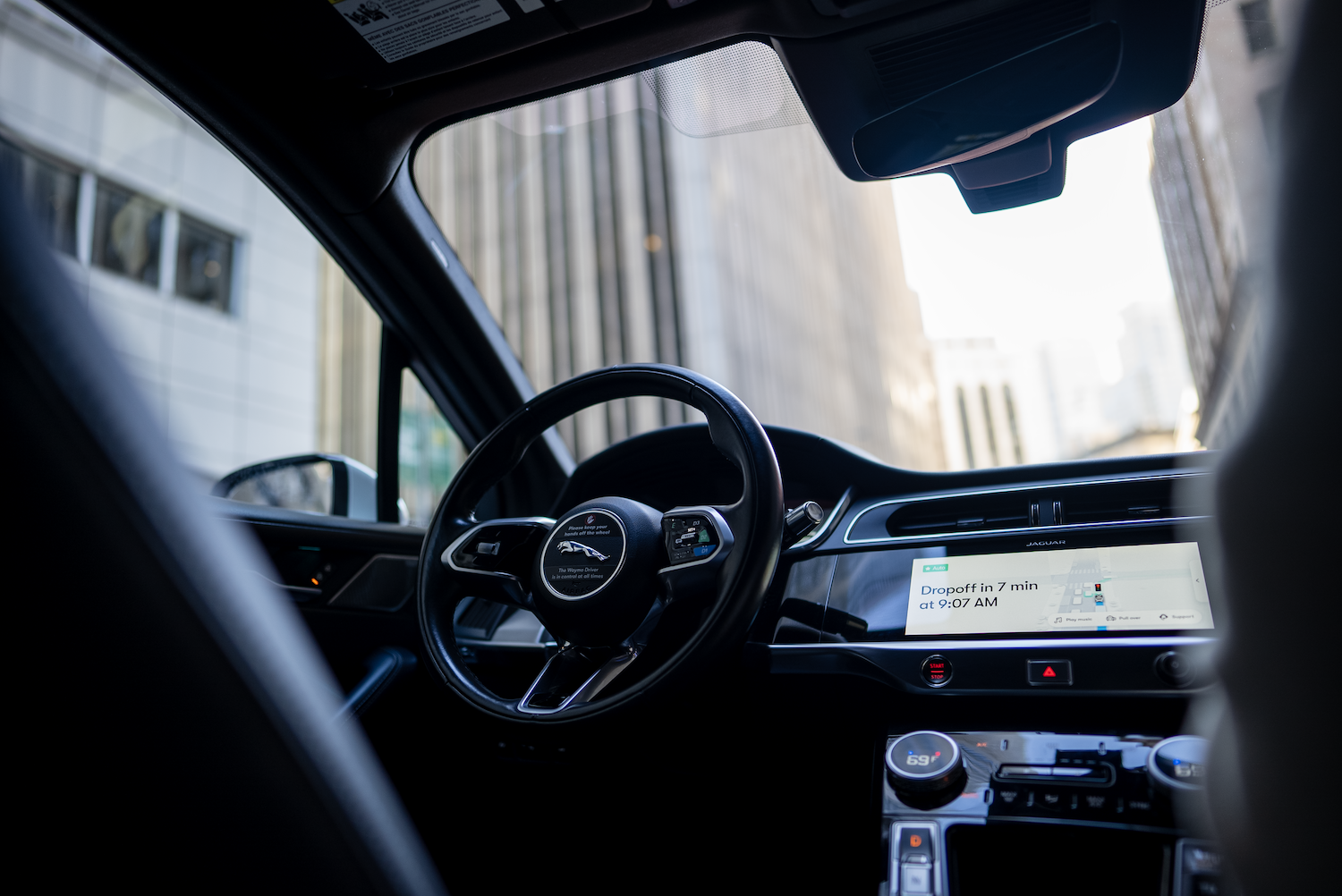
Waymo is a subsidiary of Google’s parent firm, Alphabet, and is an American autonomous driving technology company, which was responsible for developing the first self-driving Google project car in 2009.
A Waymo driverless taxi is an electric vehicle equipped with several on-board sensors that remove the need for human input from behind the steering wheel when in full operation. The taxis currently operate in various cities across the globe such as Tokyo, San Francisco, Phoenix and Los Angeles.
Its purpose is to make taxis safer, more convenient and technologically advanced. They can operate 24 hours a day, seven days a week.
How does it work?
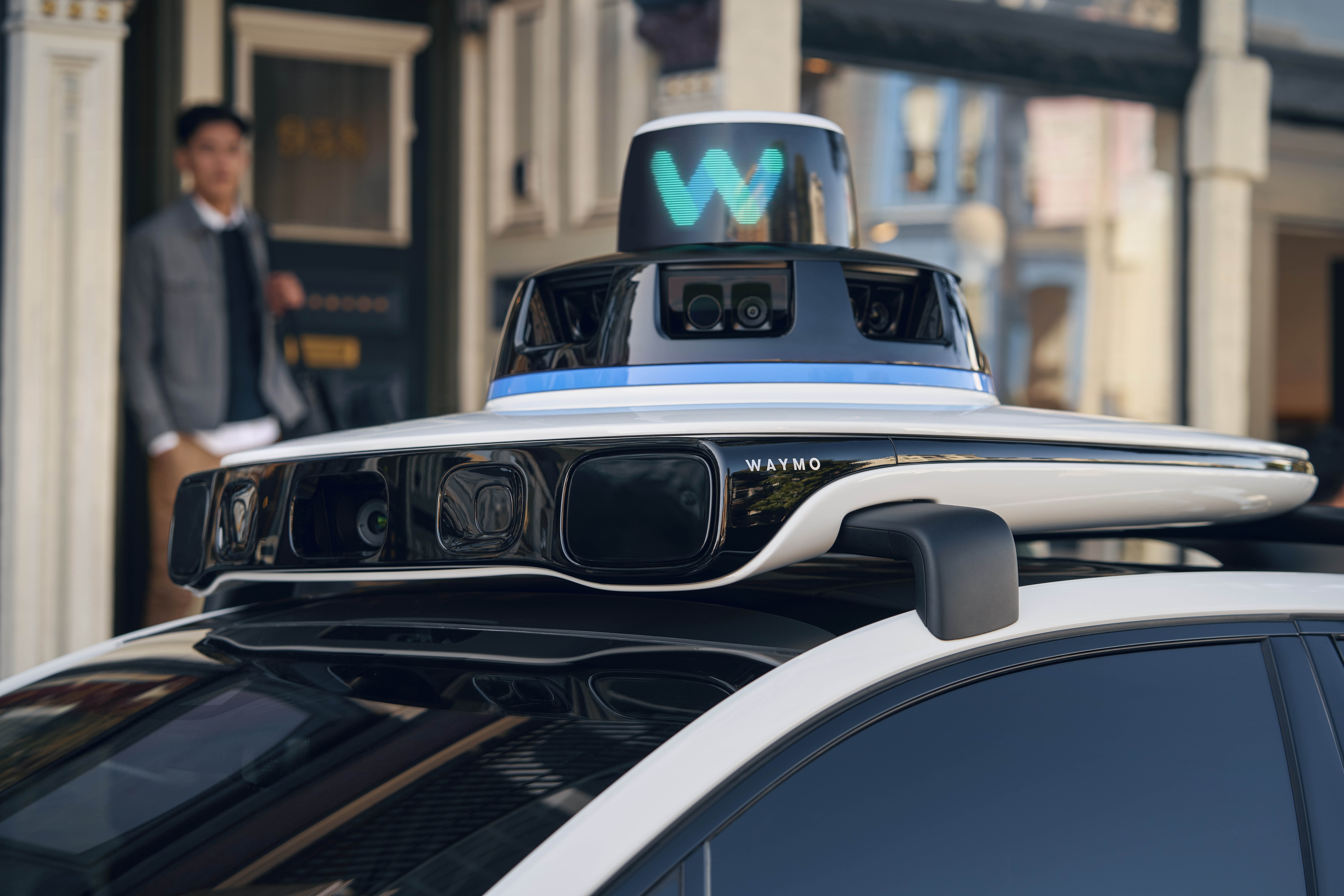
A Waymo driverless taxi uses a combination of cameras, radars, lidars and ultrasonic sensors.
They’re located all around the vehicle, while there is a computer positioned in the boot of the car that processes data, which can determine how the vehicle will react in real-life driving conditions.
This enables the taxi to visually overlap distances of up to 500 metres from every angle of the car, which means, when in full service, there doesn’t need to be a human safety driver behind the wheel.
However, all Waymo driverless taxis do come with steering wheels. In the event of an emergency situation, the autonomous system can be overridden by manual control via the wheel itself.
How many taxis are being introduced in London?
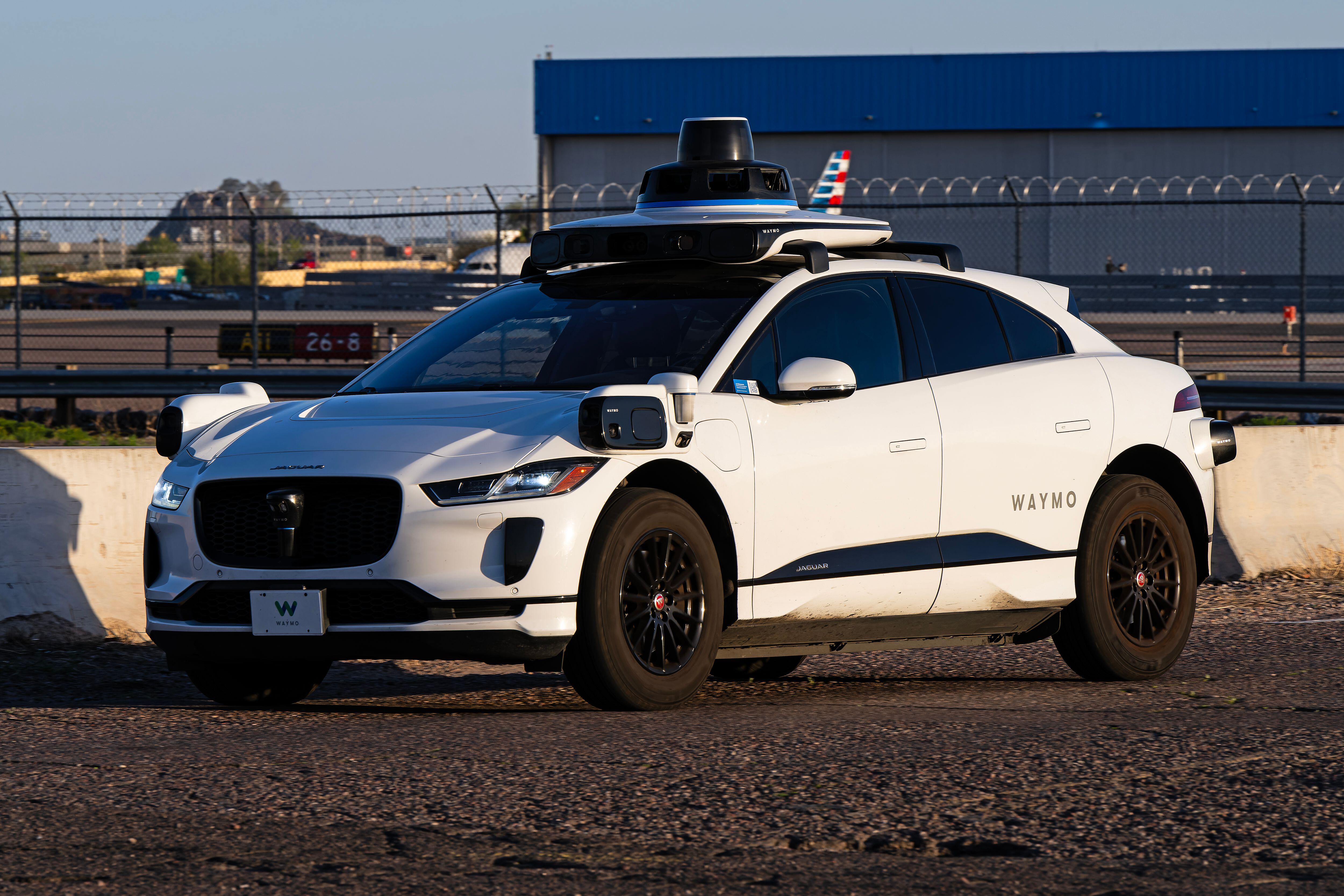
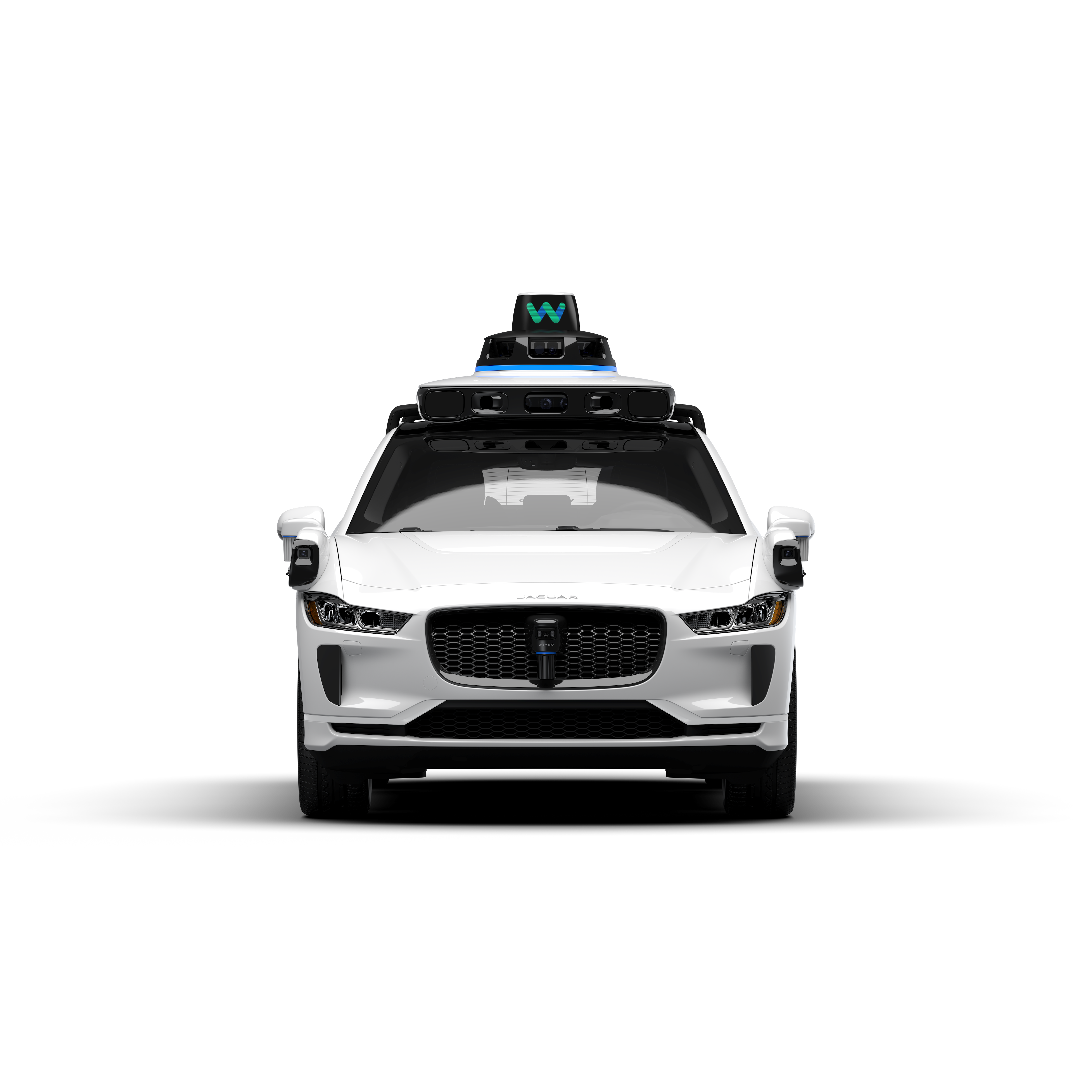
At this stage, Waymo’s fleet of driverless taxis consists of 24 Jaguar I-Pace electric SUVs, which have been in use for around two months with safety drivers behind the wheel, so the vehicles can learn road markings, widths, junction layouts and the flow of traffic.
It’s unclear at this stage how many driverless taxis are due to be implemented onto the streets of London, when the pilot tests begin in the spring.
Will we see Waymo taxis in other cities across the country?
When the service begins later this year, Waymo will solely focus on operating in London. Once the government’s Automated Vehicles Act has been changed, any self-driving vehicle service will be launched on a very small scale, and will be monitored to see how safe they are, if they’re effective and what impact they will have on the economy.
If Waymo’s driverless vehicles are a success, talks could begin with other companies who wish to introduce their own driverless taxi services in the UK, and they could arrive before 2030.
Tesla, for example, is already trialling its ‘Robotaxi’ driverless taxi service in America, though it’s still undecided whether this will be implemented in the UK.