Important checks to make to your car tyres before travelling this Christmas
Car tyres are the most important safety feature fitted to your vehicle. Here are some simple checks you can do to prevent an accident from occurring.
The Christmas period is here, and that means many of us will be travelling up and down the country to visit friends and family.
With millions of vehicles expected to hit the roads in the days leading up to December 25, your vehicle must be up to speed when it comes to maintenance and safety.
Car tyres are the most important safety feature fitted to your vehicle, as they provide grip and traction in all kinds of weather conditions.
However, driving a vehicle in the winter and in the busy festive period is one of the most dangerous times of the year to be out on the road, and if your tyres are in poor condition, it could lead to you having an accident.
Davanti is a British mid-range tyre manufacturer, and with the lead up to Christmas approaching, it has shared several tips on car tyres to make driving safer and stress-free over the next couple of weeks.
Check for damage
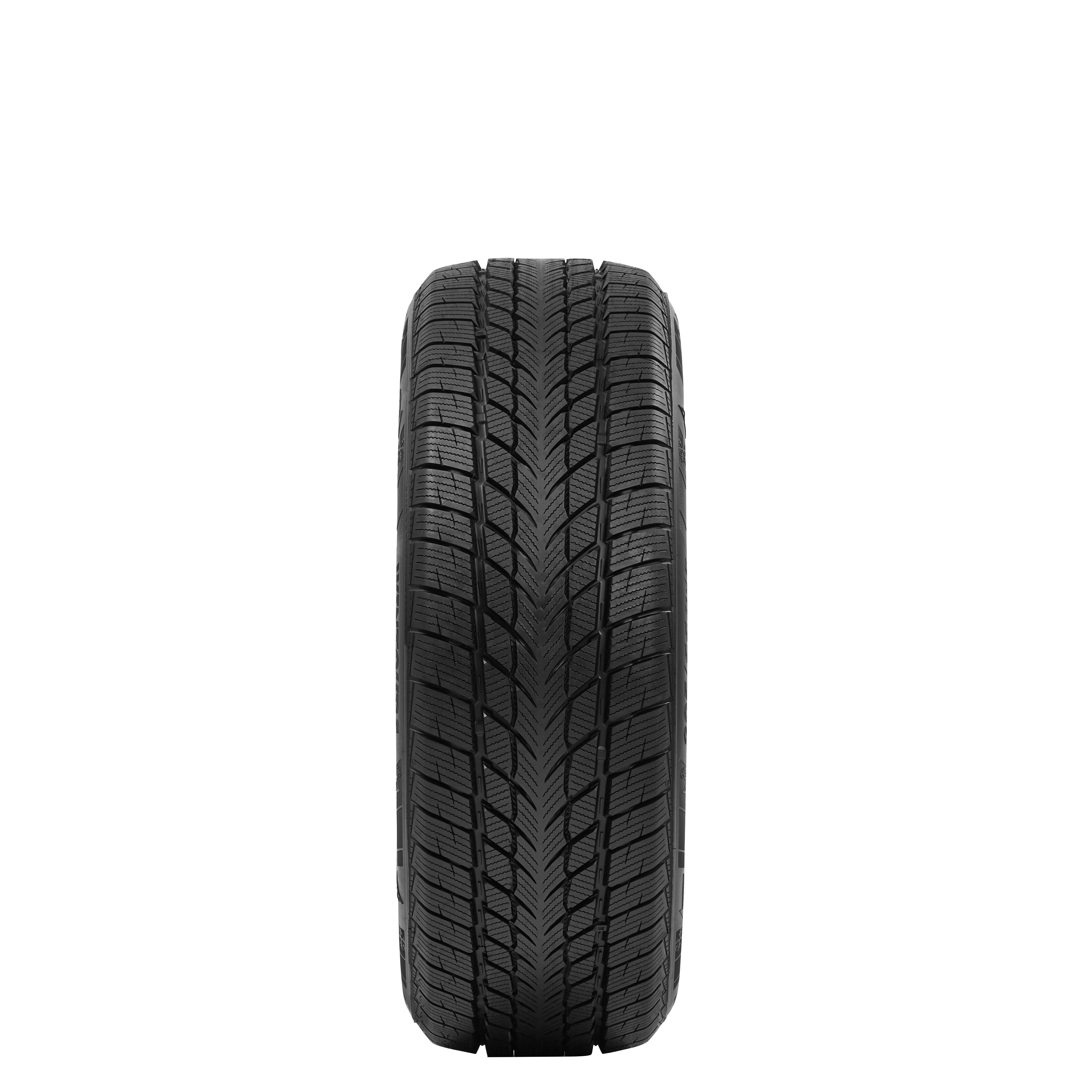
If you’re going to be on the road a lot this Christmas, checking your car tyres for damage is important.
Look for cracks, bulges, bumps and perishing in the rubber, as all of these deformations can lead to a blowout, which could cause an accident. If you spot one of these defects, get the tyre replaced immediately by a professional tyre fitter.
Make sure that the tyre is not too old, as old rubber becomes hard and is not as effective in poor road conditions. Old tyres will take longer for your vehicle to stop, they won’t provide as much traction and can also be susceptible to blowouts.
Tyres should be replaced once they’re seven years old, regardless of their tread depth and condition.
Don’t overload your vehicle
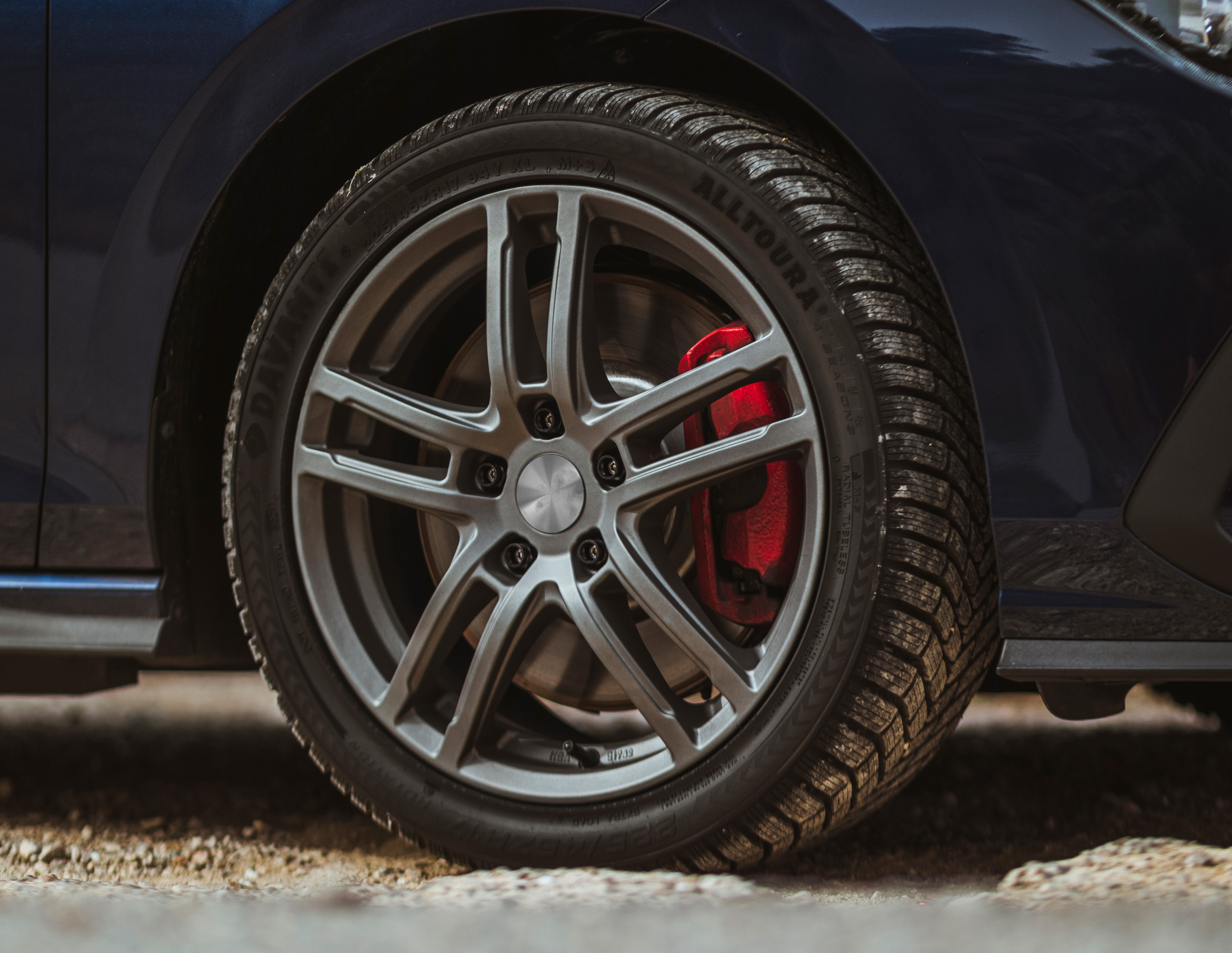
Never overload your vehicle, as it can be dangerous and will put an extreme amount of pressure on your car’s tyres.
Carrying lots of passengers, luggage, food and presents will mean that the car will have a lot more weight to carry around, leading to the tyres having to work harder in order for the vehicle to move and grip the road.
If you plan to carry a heavier load than usual this Christmas, it’s recommended that you adjust the tyre pressures accordingly. Vehicle tyre pressure readings can be found in the door shut, glovebox and in the owner’s manual, depending on the vehicle’s make and model.
Your tyres must be able to cope with the extra weight, while withstanding any deformations in the rubber, as driving with more weight can lead to excessive heat between the tyres and the road surface, which can cause damage to the tyre’s sidewalls and separation in the tread depths, leading to a potential blowout.
If you do need to carry a lot of passengers and luggage, it’s worth considering all-season tyres. They’re designed to cope year-round, without the need to change the rubber between seasons.
All-season tyres combine the best parts of summer and winter tyres into one, which means they tend to have thicker tread depths and can withstand carrying a heavier load.
Try the 20p piece trick on your tyre treads

Driving in the winter period is one of the most dangerous times to drive your vehicle. The ice, snow, salt and rain will cause there to be less traction between the road surface and your tyres, so there must be a good amount of tread depth on the rubber.
Having lots of tread depth on your tyres provides grip, traction and stability on poor road surfaces, which makes it safer for you and your family driving on the road.
Here in the UK, the legal minimum requirement for a car’s tyre tread is 1.6mm. Anything below that reading will cause the vehicle to fail its MOT and will need to be replaced immediately.
A simple way to check the depth of your tyre treads is with a 20p piece. Simply slot a 20p coin into the tread grooves of the tyre, and if you can’t see the outer band of the coin, your tyres will be above the legal limit.
If the outer band of the coin is showing, then your tyres will be close to or below the legal limit and will need to be replaced immediately to prevent any accidents from occurring.
Keep falling temperatures in mind

The falling temperatures can affect your car’s tyre pressures; with a rise or fall of 10 degrees Celsius, this can cause the tyre pressures to drop by one to two PSI.
As the colder months hit, it’s recommended that drivers regularly check their tyre pressures once a month, using a digital tyre inflator. If you don’t have your own tyre inflator, most petrol stations provide a tyre pressure machine, which any driver can use for a small fee to top up their tyres with air.