EU ditches 2035 ban on new petrol and diesel car sales
Less stringent rules revise a previously imposed timeline.
The European Union has confirmed that combustion-engined vehicles will be permitted to remain on sale after 2035.
It comes as a substantial U-turn on the bloc’s previous decision to impose a ban on the sale of new petrol and diesel cars in just over a decade’s time. Previous plans would have meant that carmakers could only sell electric or hydrogen vehicles, whereas the new decision means that they’re free to sell all types of hybrids, as well as standard petrol and diesel models.
Instead, from 2035, carmakers will need to meet a 90 per cent tailpipe emissions reduction target while the remaining 10 per cent ‘will need to be compensated through the use of low-carbon steel Made in the Union, or from e-fuels and biofuels.’
It still means that the vast majority of cars sold by manufacturers will need to be electric or low-emissions, with the final 10 per cent being ‘traditional’ internal combustion-engined models.
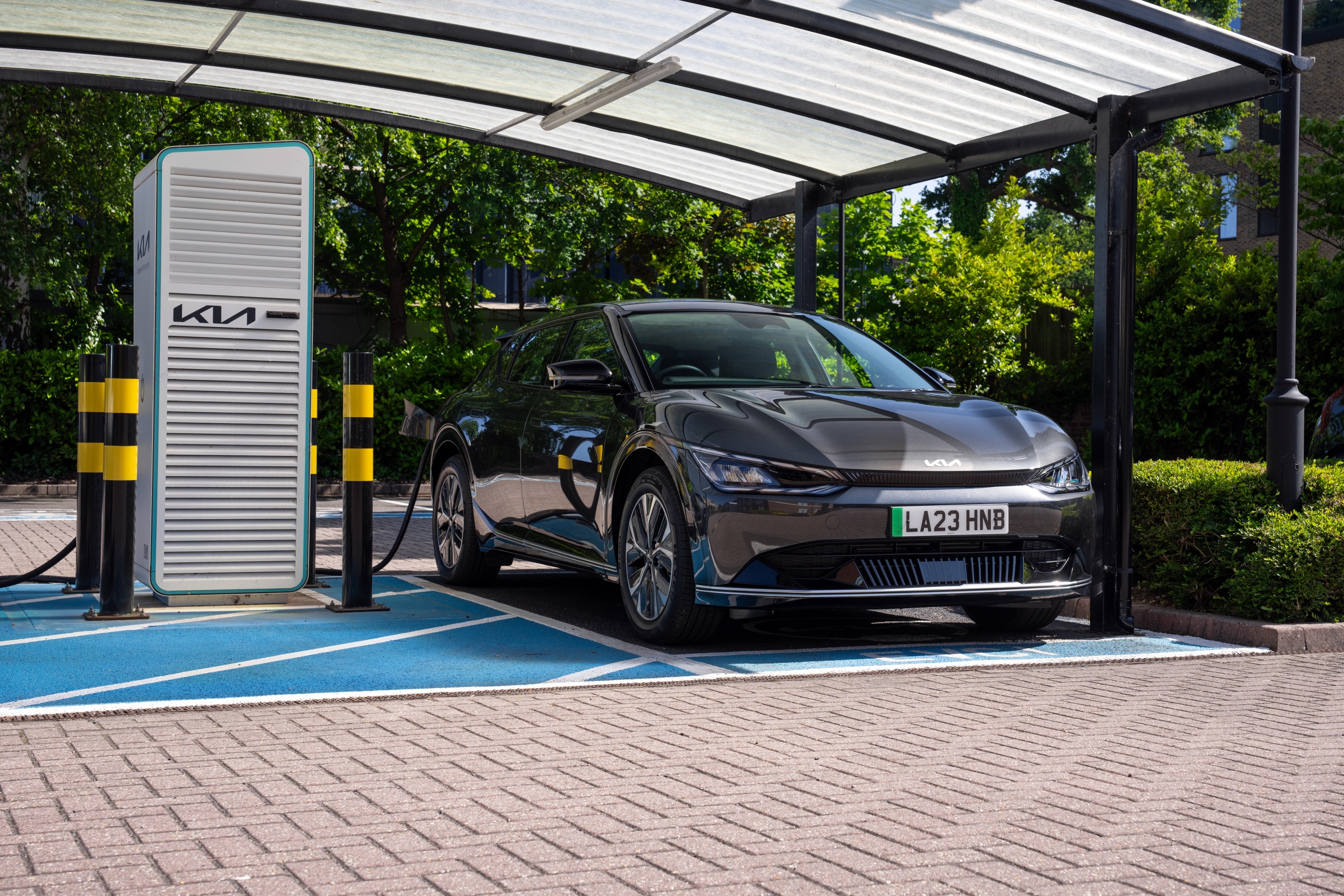
However, the EU states that the new rules will allow ‘plug-in hybrids (PHEV), range extenders, mild hybrids, and internal combustion engine vehicles to still play a role beyond 2035, in addition to full electric (EVs) and hydrogen vehicles.’
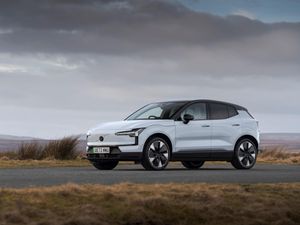
Manufacturers will also be able to generate ‘super credits’ through small electric vehicles measuring under 4.3 metres in length. Each will count as 1.3 vehicles against manufacturing numbers. The EU says this feature will also allow manufacturers to ‘bank’ credits to help with future production.
President von der Leyen said: “Innovation. Clean mobility. Competitiveness. This year, these were top priorities in our intense dialogues with the automotive sector, civil society organisations and stakeholders.
“And today, we are addressing them all together. As technology rapidly transforms mobility and geopolitics reshapes global competition, Europe remains at the forefront of the global clean transition.”
At present, it isn’t clear what impact this will have on the UK’s own plans, which currently lead towards a 2030 ban on the sale of new petrol and diesel cars.