First Drive: Is the new Toyota Urban Cruiser more than just a rebadged Suzuki?
The Toyota Urban Cruiser is back, sort of, with Toyota having a crack at the B-segment electric SUV market. Cameron Richards finds out more.
What is it?
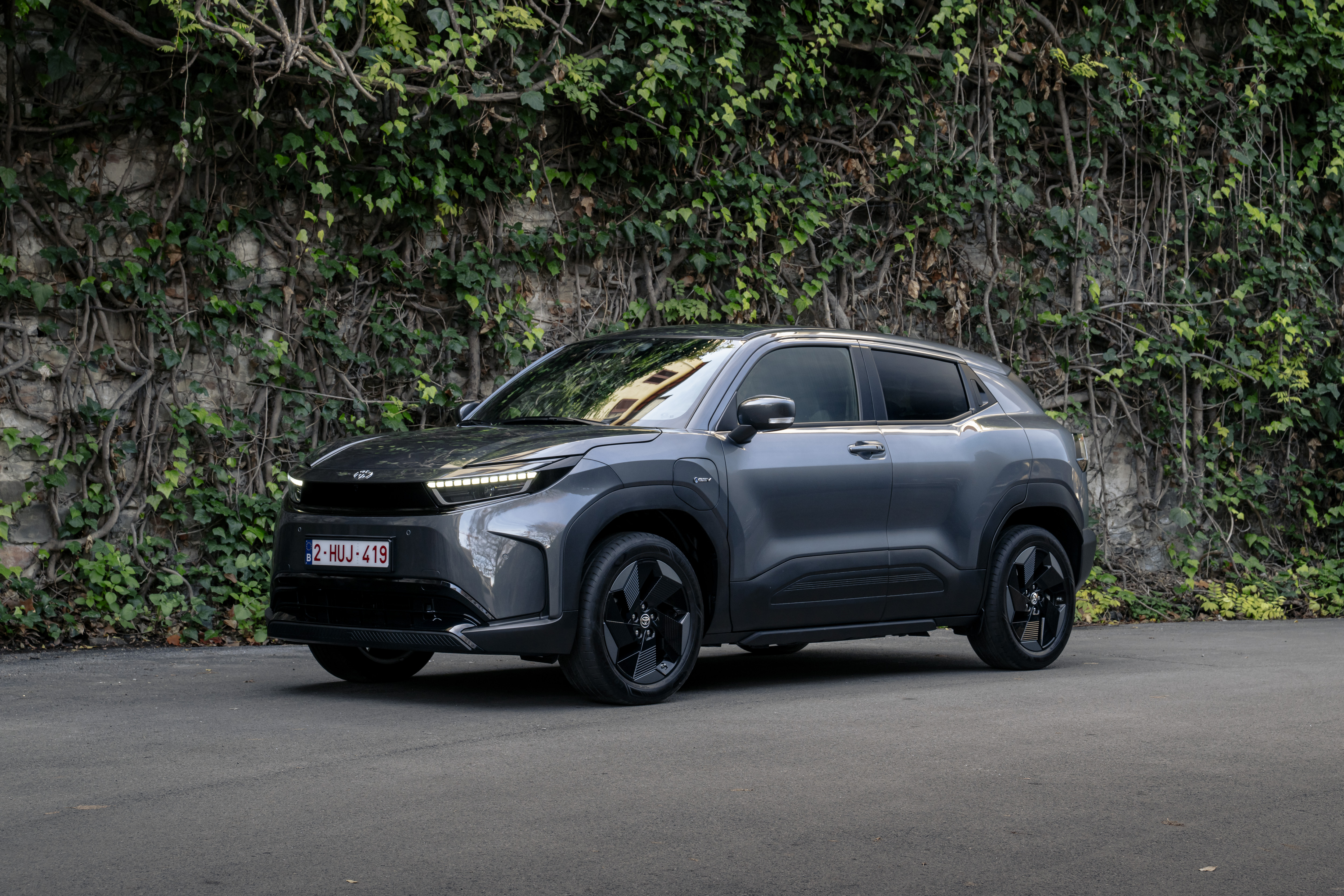
Back in the late 2000s, Toyota introduced a compact SUV that shared a platform with the Yaris supermini.
It was called the Urban Cruiser and sadly, it didn’t quite catch on with British buyers due to its high price tag and rather controversial styling. The Japanese firm axed it from UK sales in 2012.
So, with the rise in SUVs and electrification becoming the norm, Toyota has had a rethink and decided to launch a new compact electric SUV and slap the Urban Cruiser nameplate on it, in an attempt to have a crack at this extremely competitive market. The question is, has Toyota finally made a good EV?
What’s new?
If you think you’ve seen the new Urban Cruiser before, your assumption will be correct, as it’s exactly the same car, both inside and out, as Suzuki’s e Vitara.
Both cars are built on the same ‘BEV’ platform and utilise identical battery packs along with the same front-wheel drive setups.
There’s a choice of three trim levels, which provide lots of kit as standard, while prices remain competitive with the entry-level car coming in at less than £30,000.
Like with all new Toyotas, the Urban Cruiser will come with a standard three-year or 60,000-mile manufacturer warranty, with owners allowed to extend that to 10 years if they continue to have the vehicle serviced at a Toyota franchised dealer, with the ‘Relax Scheme’.
What’s under the bonnet?
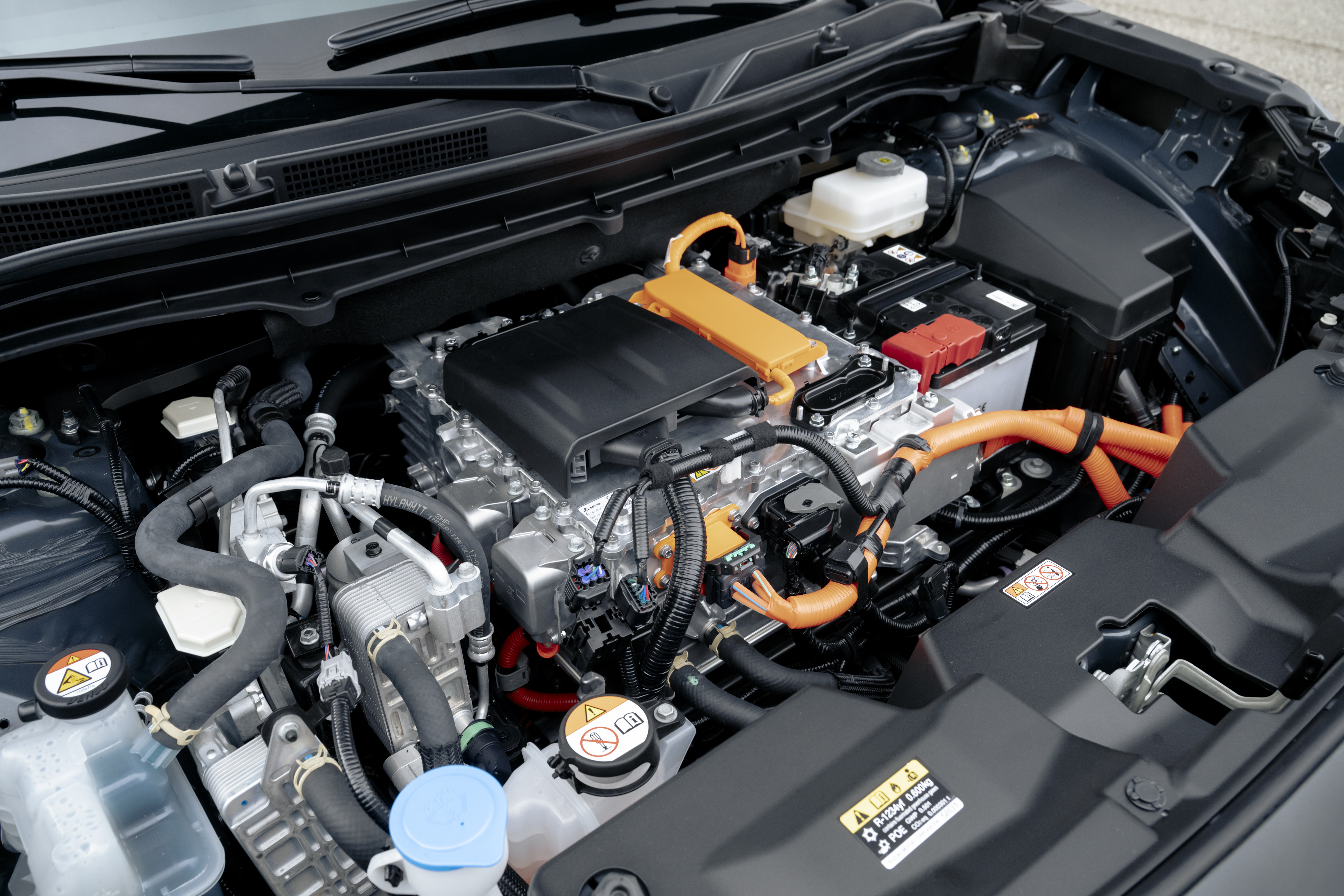
The Urban Cruiser will be available with a choice of 49kWh and 61kWh battery packs, with drive going to the front wheels only.
Our test car features the larger unit, which produces 171bhp and 189Nm of torque, while 60mph comes round in 8.5 seconds and the top speed is 93 mph.
Toyota claims this model can travel up to 264 miles between trips to the plug, and the car can be topped up using a DC rapid charger, though at speeds of just 67kW. A 10 to 80 per cent charge will take around 45 minutes.
The smaller 49kWh battery pack variant develops 142bhp and the same 193Nm of torque, while this model can manage a claimed 214 miles on a single charge.
What’s it like to drive?
The Urban Cruiser’s driving experience is flawed in many areas with the biggest complaint coming from the suspension. The ride seems to be unsettled around town and on the open round, with the car’s chassis pitching, bouncing and fidgeting even over the smallest imperfections.
Then there’s the steering, which lacks any feel and is extremely vague, making the car rather uninspiring to drive on a twisty road.
Around town, the poor rear visibility makes manoeuvring tricky in tight spots, though at least the car’s tight 5.2-metre turning circle does help out to an extent.
Where the Urban Cruiser really falls down is with its efficiency. Our test car was only averaging around 2.9 miles per kilowatt, which works out at a real-world range of 177 miles; way off Toyota’s claimed 264-mile WLTP figure.
How does it look?
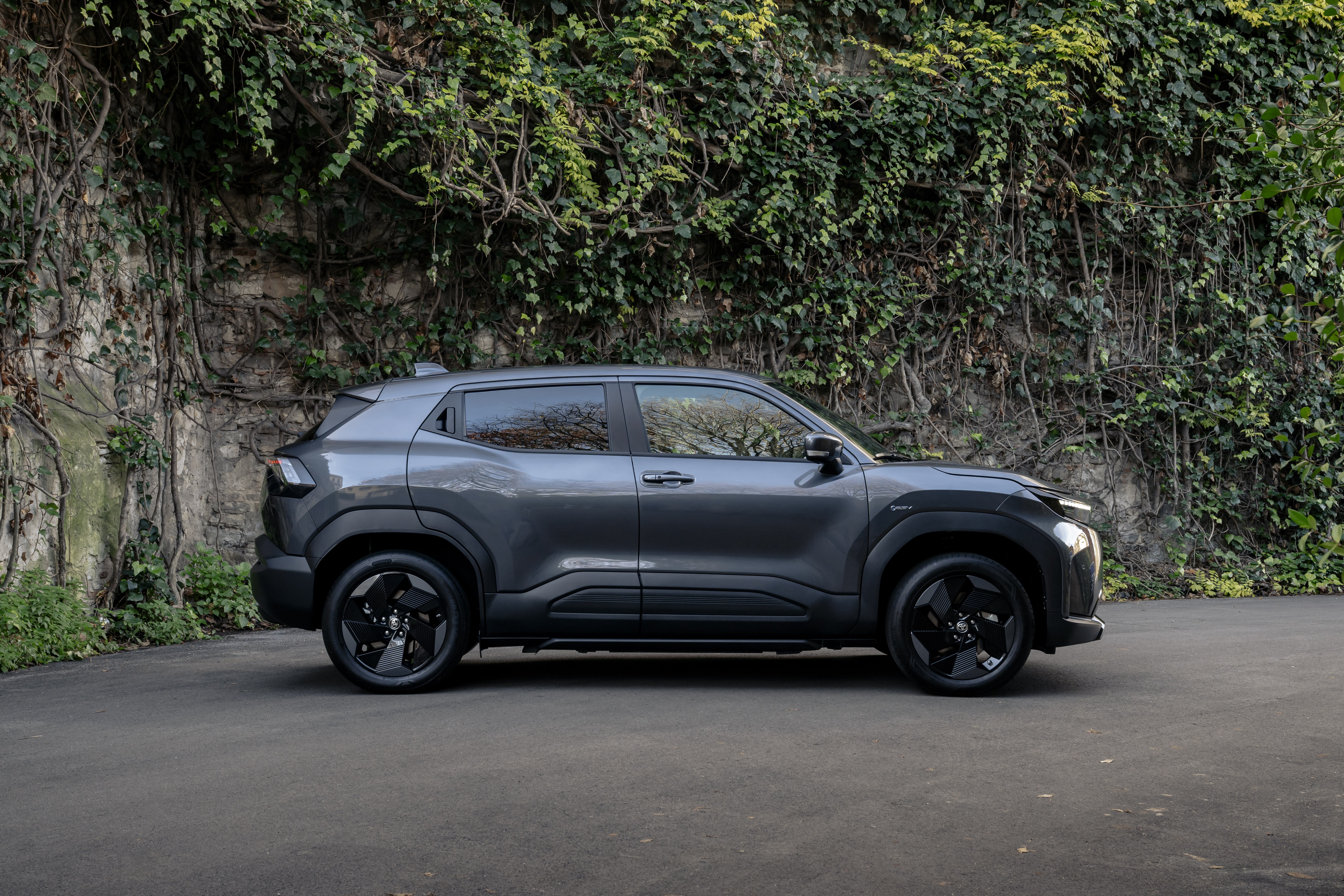
When it comes to design, the Urban Cruiser is simply a Suzuki e Vitara with a Toyota badge stuck on the front.
The only changes made are at the front, where the headlights form as part of the black front panel and there is a redesigned lower bumper.
The side profile remains the same with chunky sculpted plastic body mouldings, hidden rear door handles, for a sleeker look, and square-shaped wheel arches.
Changes made to the back are kept to a minimum, with the Urban Cruiser featuring a stacked-up light design with a full-width black panel that runs across the tailgate.
What’s it like inside?
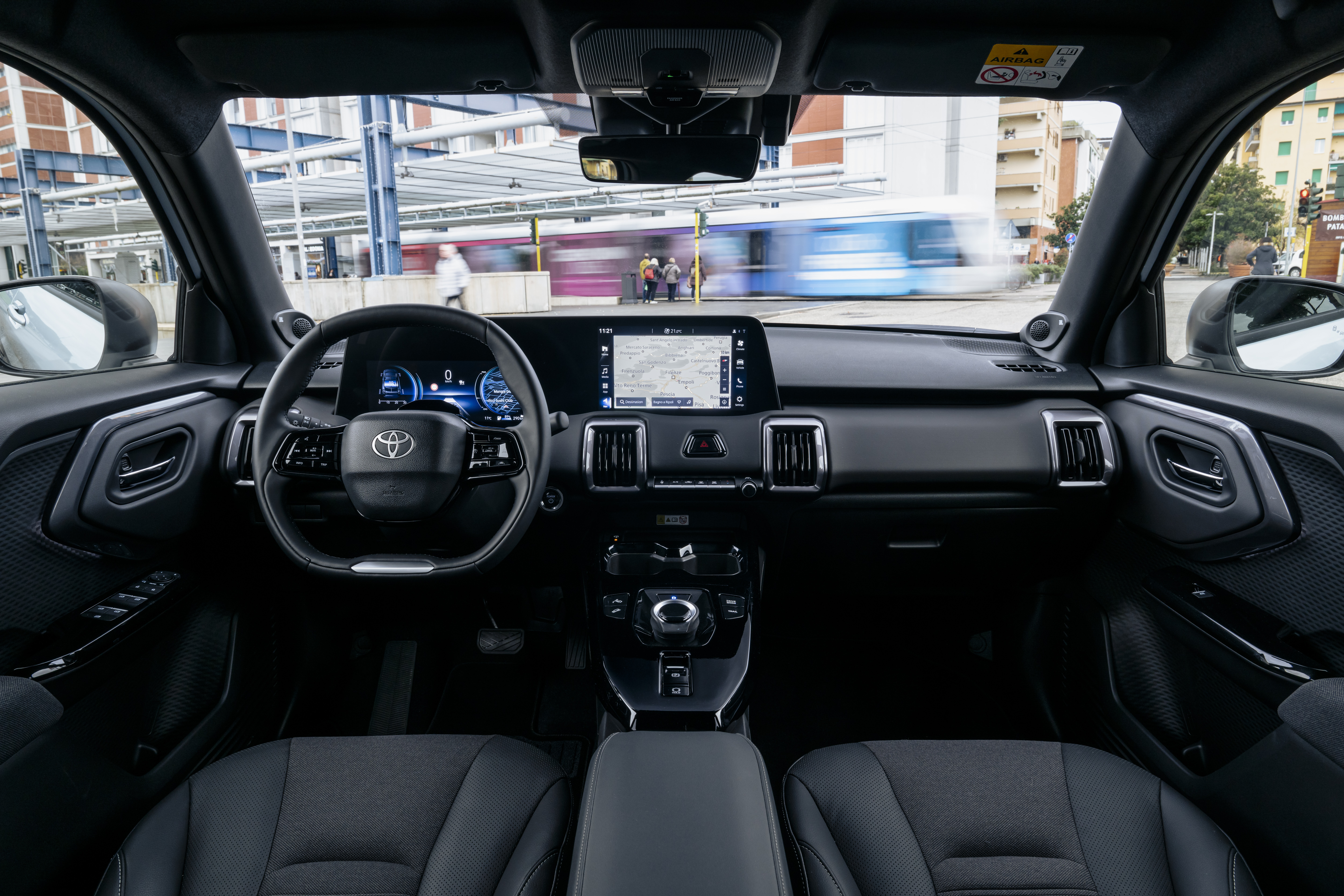
It comes as no surprise that the Urban Cruiser’s cabin is identical to the e Vitara’s.
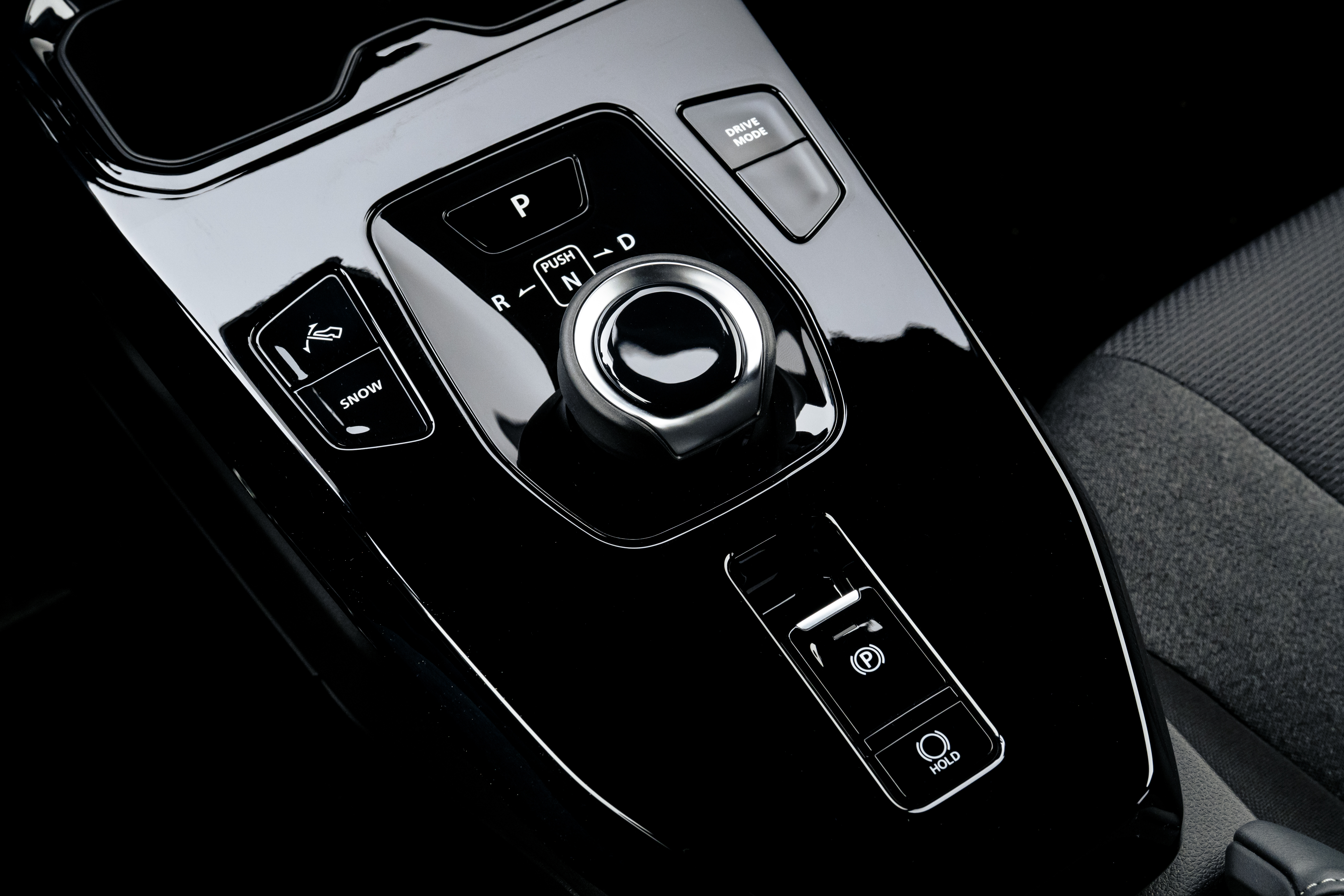
That means you get lots of physical buttons, toggle switches for the climate control, vertical air vents and lots of storage, including wide door bins, a deep centre console storage area and two cup holders.
Sadly, the plastics found on the dashboard, door cards and centre console feel cheap and hard to the touch, although this does reflect in the car’s low price tag.
Space in the back is a mixed bag, as there is positively loads of rear legroom, and enough space under the front seats to really stretch out. Headroom, however, is less impressive as the high-rear seating and sloping roof means adults will brush their head on the car’s headlining.
When it comes to boot capacity, the Urban Cruiser falls short of its rivals, offering just 244 litres of space. Thankfully, the 40:20:40 split folding rear bench can slide forwards to increase the capacity to 310 litres and folds completely flat to offer a 566-litre volume. Yet, that still makes it one of the smallest in its class for luggage space, with the Ford Puma Gen-E offering 523 litres of room with the rear seats upright and 1,283 litres with the rear chairs folded down.
The Urban Cruiser doesn’t come with a frunk either, which would boost its practicality further.
What’s the spec like?
Competitive pricing is key in this sector of the market and thankfully the Urban Cruiser is more than affordable.
The entry-level Icon model comes in at £29,995; putting it on price parity with its Suzuki twin sibling. However, customers who order an e Vitara can save up to £3,750 off through the firm’s ‘Suzuki Granted’ incentive, making the Suzuki look much better value.
Standard equipment on the Urban Cruiser includes an energy-saving heat pump, a 10.1-inch infotainment system, a 10.25-inch digital driver’s display and 18-inch alloy wheels.
Move up to the mid-level Design grade and it adds heated front seats and steering wheel, the larger battery pack and power folding door mirrors.
Top-of-the-range Excel cars boast additional features such as 19-inch alloy wheels, a premium JBL sound system, LED headlights, a fixed glass sunroof, a wireless phone charger and synthetic leather upholstery.
Verdict
The Urban Cruiser needs to try a lot harder for it to stand out in this fiercely competitive and growing market.
With its so-so driving characteristics, inefficient powertrain, choppy ride and slow charging speeds, this Toyota doesn’t move the game forward in any shape or form.
Its small boot, limited rear headroom and cheap-feeling interior also let it down, with a Hyundai Kona Electric feeling much more spacious and premium inside.
Toyota are great at innovating, but when it comes to EVs, they simply haven’t quite cracked it with this compact SUV, with the Urban Cruiser feeling too similar to its identical Suzuki sibling.