Aston Martin’s St Athan plant development on track to produce DBX crossover prototype
Luxury car manufacturer’s new UK plant is on track to begin producing electric vehicles in South Wales
The development of Aston Martin’s third British plant is proceeding as planned, the brand has said.
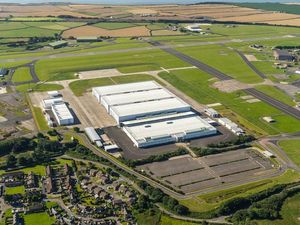
David King, vice-president of the supercar manufacturer’s Special Operations division, said that the conversion of the site from super-sized aircraft hangar to modern manufacturing facility is “going very well”.

The site, at St Athan in South Wales, will create 750 jobs in the region. It joins existing plants at Gaydon and Newport Pagnell, and will play a significant role in achieving Aston Martin’s goal of building 7,000 cars a year.

Phase one of St Athan’s construction has already been completed, with customer and staff reception areas, administration offices and the employee restaurant ready for the plant’s opening. Phase two, which commenced in April 2017, will see the enormous hangars fitted out to become a manufacturing facility.
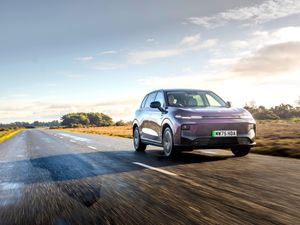
The site will be the focus of Aston Martin’s efforts to develop electric and hybrid models – particularly the DBX, an all-electric crossover that could compete with top-spec versions of the Tesla Model X and Jaguar I-Pace. We’ll see a prototype in 2019, alongside the firm’s first production electric car – the RapidE.
Last week at the Geneva Motor Show, Aston Martin announced the return of historic nameplate Lagonda, in the form of an all-electric, super-luxury sub-brand. Lagonda will benefit from St Athan’s focus on electrified powertrains, and the two vehicles announced so far – a Lagonda SUV and saloon – will be built at St Athan and go on sale in 2021.
“Aston Martin’s decision to move to St Athan is a huge coup for Wales and it is a genuine testament to the can-do attitude of Welsh government, and to the reputation, dedication and skills of our workforce.”