Driver eyesight testing needs an overhaul, says road safety group
GEM Motoring Assist wants regular mandatory eye tests brought in to reduce collisions as the eyesight test has only had minor amendments since being introduced in 1937, it says
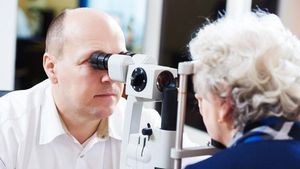
A road safety group is calling for an overhaul of the eyesight test for drivers in a bid to make UK roads safer.
GEM Motoring Assist wants drivers to take a detailed test of their sharpness of vision and field of view every 10 years.
The eyesight test for motorists was introduced in 1937 and has only been amended in minor ways over the years to reflect changing number plate sizes. It is the sole eyesight test drivers have to take until they reach the age of 70 – something GEM says is dangerous and needs to change.
Neil Worth, road safety officer for GEM, said: “Speeding, drink or drug driving, driving unlicensed – these are responsible for a fraction of the crashes on our roads compared with failing to look properly, according to all the official data.
“Yet our current testing regime is crude and outdated.”
According to GEM, the test only measures visual sharpness but it should also examine a driver’s field of view, to check whether motorists can see and react to what’s happening around them.
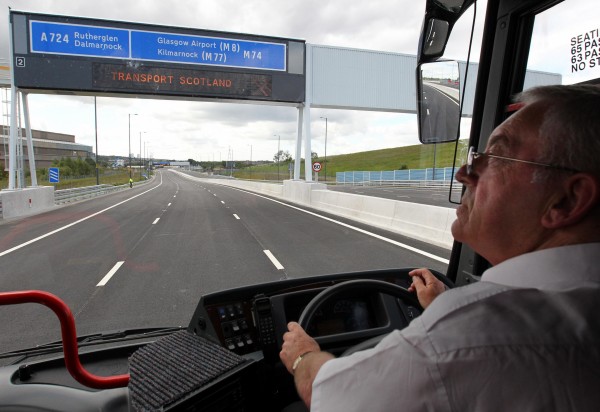
Many campaigners have tried to persuade the government to introduce the measures in the past, but ministers have declined to change the current regulations.
GEM believes that regular mandatory eyesight tests for drivers would offer a simple and effective way of reducing collisions caused by defective vision.
Worth said: “We believe that all drivers should ensure they have an eye test every two years, just to ensure there are no safety concerns about their vision and to deal with any issues at an early stage.
“We would also like to see every new driver producing evidence of a recent eye test when first applying for a licence, with a mandatory test every 10 years in line with licence renewal.
“The current driver eyesight test hasn’t been fit for purpose for a long time, and we believe it is simply no longer acceptable for drivers to self-certify.
“What’s more, many people are staying behind the wheel into their 80s and beyond. This, coupled with the greater volume of traffic and an increase in distractions both inside and outside the vehicle, points to the clear need for more regular and detailed eyesight testing.”